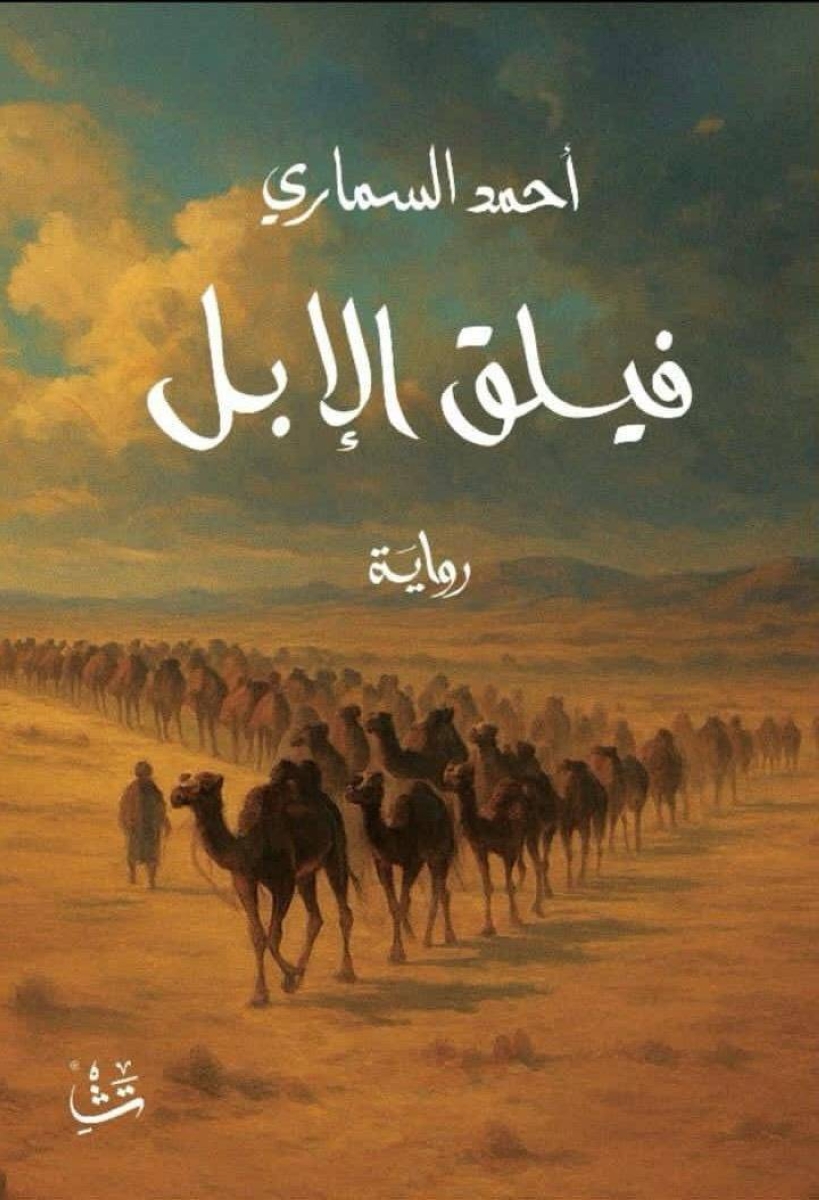
صدرت رواية «فيلق الإبل» للروائي السعودي أحمد السماري، عن دار تشكيل، وستكون الرواية ضمن إصدارات الدار في معرض الرياض الدولي للكتاب 2025 الذي يقام في الفترة من 2 إلى 11 أكتوبر في مقر جامعة الأميرة نورة بنت عبدالرحمن.
يأتي هذا الإصدار في سياق انفتاح الرواية السعودية على مساحات غير مطروقة من التاريخ والخيال، وسعيها إلى ربط المحلّي بالكوني عبر استعادة وقائع منسية وإعادة صياغتها برؤية سردية معاصرة.
تقوم الرواية على واقعة فريدة في تاريخ القرن التاسع عشر، حين حاول الجيش الأمريكي إنشاء «فيلق الإبل» كجزء من مشروع لوجستي لتأمين الإمدادات في المناطق الصحراوية. هذا الاشتغال على التفاصيل الصغيرة يمنح الرواية ملمساً واقعياً، ويكشف قدرة الكاتب على تحويل الحكاية التاريخية إلى تجربة معاصرة يشارك القارئ في تأملها.
السماري ومن خلال أعمال روائية سابقة يبني عوالمه الروائية متجاوزاً السرد التاريخي المباشر، ليحاور فكرة التبادل الحضاري والهجرة والاغتراب. في هذا العمل يضع السماري شخصية الحاج علي في مركز الحكاية، مستعيداً مساره من بريدة إلى صحارى الغرب الأمريكي، جاعلاً منه رمزاً للانتقال بين جغرافيتين متباعدتين، وصوتاً يكشف عن مصائر أفراد تحوّلوا إلى جسور بشرية بين الشرق والغرب.
النص يمتلئ بمقاطع مشهدية نابضة، تُقدَّم عبر شخصيات تتقاطع مصائرها مع التاريخ الكبير: «مناور» و«سليمان» و«هيلين» وغيرهم، الذين يجدون أنفسهم في مواجهة متغيرات قاسية بين الحروب والتهجير والرحلات التجارية.
يوزّع المؤلف الأدوار بحسّ سردي دقيق، فيجعل من شخصية «شعيفان» الكلب المرافق علامة لافتة، تحمل بعداً رمزياً يذكّر القارئ بالوفاء وسط انهيارات الولاء الإنساني.
لا يتوقف النص عند حدود الحكاية بقدر ما ينفتح على أسئلة أوسع عن معنى الانتماء والذاكرة حين يستعرض السماري رحلة العقيلات وتجارتهم، لا يكتفي بتوثيق ما جرى، وإنما يربطها بتجارب إنسانية خالدة عن السعي، والمخاطرة، وحلم العبور. وحين يروي نهاية الحاج علي في أريزونا عام 1902، حيث أقيم له نصب هرمي يعلوه تمثال جمل، فإنه يقدّم لحظة تلخص التقاء ثقافتين مختلفتين على هيئة ذاكرة مشتركة، تختزنها الأرض وتستعيدها الحكايات.
تتسم الرواية بقدرتها على المزج بين البحث والتخييل، إذ اعتمد الكاتب على مراجع وصور ووثائق ومقابلات متخصصة، لكنه لم يكتفِ بالعرض التوثيقي، إنّما منح نصه حرية فنية جعلت من الماضي مادة قابلة لإعادة التشكيل، وفتحت المجال لطرح أسئلة فلسفية عن علاقة الفرد بجماعته، والمجتمع بالتاريخ، والذاكرة بالنسيان.
هذه المقاربة تجعل «فيلق الإبل» عملاً يندرج في إطار الرواية التاريخية العربية التي لم تعد تعيد الماضي كحدث مغلق، وإنما تتعامل معه كبوابة لاستكشاف الحاضر واستشراف أسئلته.
هذا الإصدار الرابع في تجربة السماري يأتي ليعزز حضوره في المشهد الروائي السعودي، إذ يواصل عبره مشروعه السردي القائم على التنقيب في مناطق مهملة من التاريخ وكتابتها برؤية أدبية تعيد الاعتبار للإنسان العادي وسط تقلبات الزمن.
The novel "Camel Corps" by Saudi novelist Ahmed Al-Samari has been published by Dar Tashkeel, and it will be part of the publisher's releases at the Riyadh International Book Fair 2025, which will take place from October 2 to 11 at the Princess Nourah bint Abdulrahman University.
This release comes in the context of the Saudi novel's openness to uncharted territories of history and imagination, and its effort to connect the local with the universal by reclaiming forgotten events and reinterpreting them through a contemporary narrative lens.
The novel is based on a unique incident in the history of the 19th century, when the American army attempted to establish a "Camel Corps" as part of a logistical project to secure supplies in desert regions. This focus on small details gives the novel a realistic texture and reveals the author's ability to transform historical storytelling into a contemporary experience that invites the reader to reflect.
Through previous literary works, Al-Samari builds his fictional worlds by transcending direct historical narration, engaging with the idea of cultural exchange, migration, and alienation. In this work, Al-Samari places the character of Hajj Ali at the center of the story, retracing his journey from Buraidah to the deserts of the American West, making him a symbol of transition between two distant geographies, and a voice that reveals the fates of individuals who became human bridges between the East and the West.
The text is filled with vibrant scene segments, presented through characters whose destinies intersect with grand history: "Manawer," "Sulaiman," "Helen," and others, who find themselves facing harsh changes amidst wars, displacement, and trade journeys.
The author distributes roles with a precise narrative sensibility, making the character "Shaifan," the accompanying dog, a notable symbol that carries a symbolic dimension, reminding the reader of loyalty amidst the collapse of human allegiance.
The text does not stop at the boundaries of the story but opens up to broader questions about the meaning of belonging and memory as Al-Samari reviews the journey of the Al-Qilaat and their trade. He does not merely document what happened but connects it to timeless human experiences of striving, risk, and the dream of crossing. When he recounts the end of Hajj Ali in Arizona in 1902, where a pyramid monument topped with a camel statue was erected for him, he presents a moment that encapsulates the meeting of two different cultures in the form of a shared memory, stored by the land and revived by stories.
The novel is characterized by its ability to blend research and imagination, as the writer relied on references, images, documents, and specialized interviews. However, he did not limit himself to documentary presentation; rather, he granted his text artistic freedom that made the past a material capable of reformation, opening the door to philosophical questions about the individual's relationship with their community, society with history, and memory with forgetfulness.
This approach makes "Camel Corps" a work that falls within the framework of Arabic historical novels, which no longer treat the past as a closed event but engage with it as a gateway to explore the present and anticipate its questions.
This fourth release in Al-Samari's experience comes to strengthen his presence in the Saudi narrative scene, as he continues through it his narrative project based on excavating neglected areas of history and writing them with a literary vision that restores dignity to the ordinary person amidst the fluctuations of time.