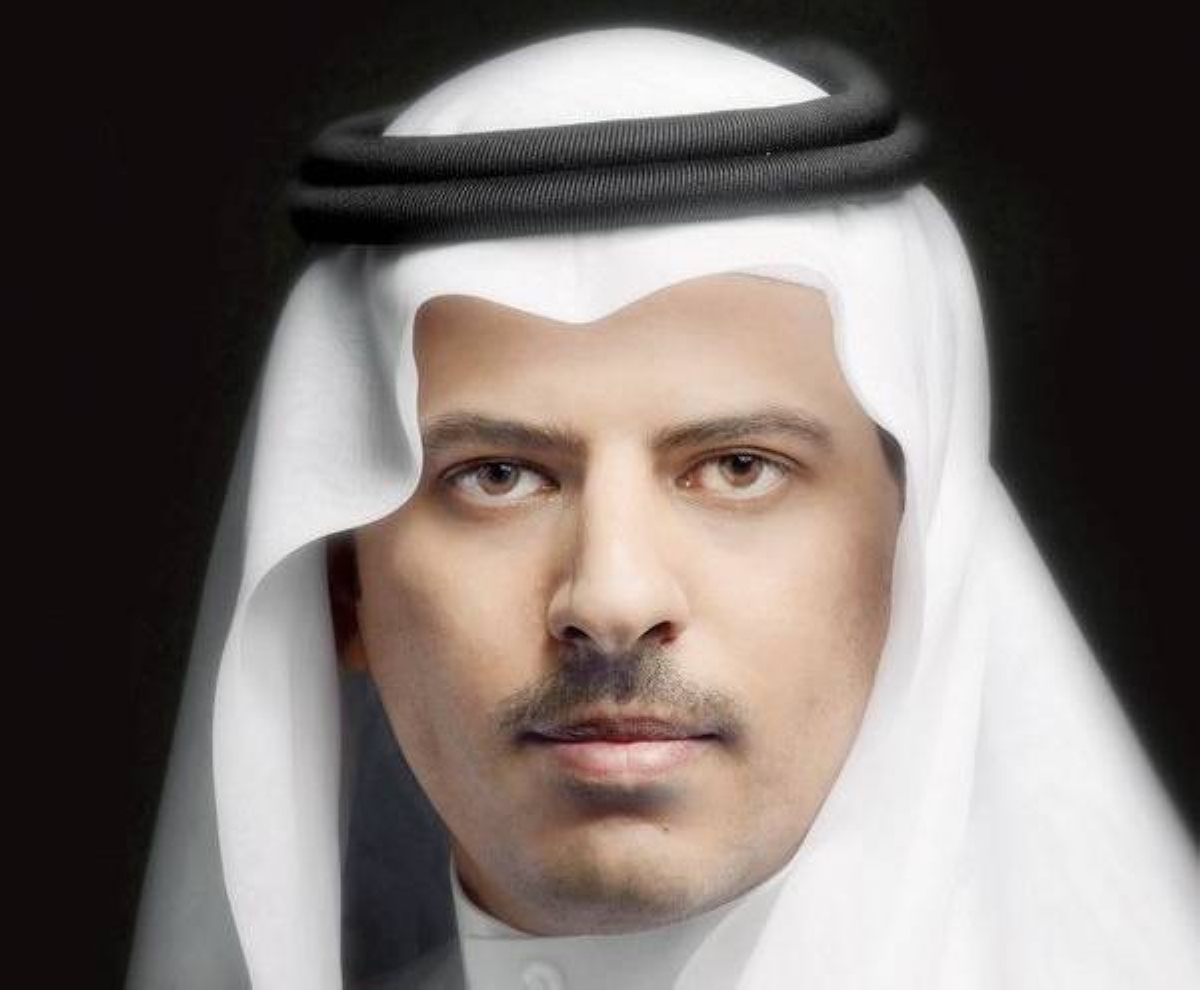
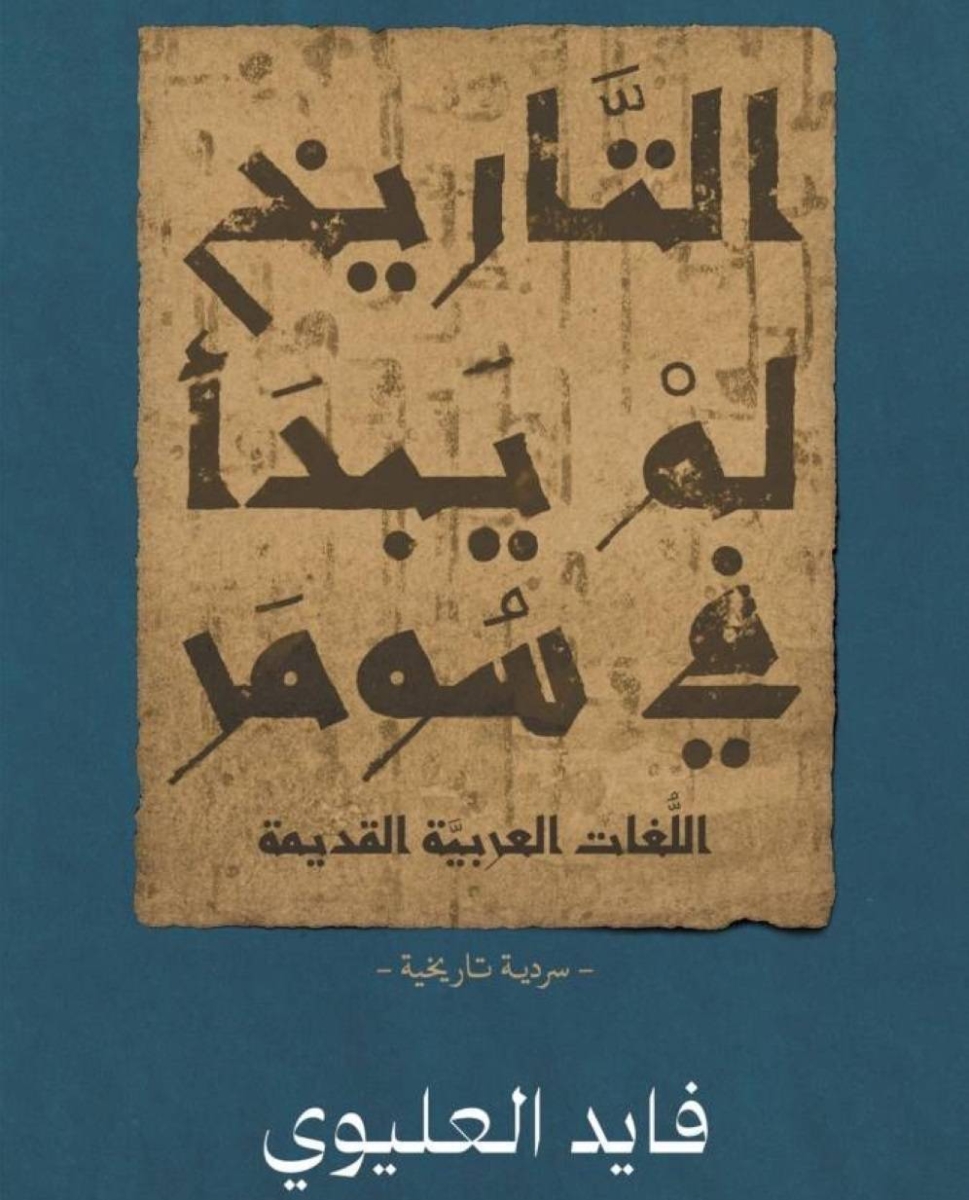
في طرح فكري جريء يعيد النظر في السرديات التاريخية الموروثة، صدر عن دار كلمات للنشر كتاب «التاريخ لم يبدأ في سومر» للكاتب السعودي فايد العليوي، الذي يقدم قراءة مغايرة لجذور الشعوب المسماة بـ«السامية»، ويُثبت عبر منهج بحثي موسّع أن منبع هذه الشعوب ولغاتها وحضاراتها الضاربة في القدم هو الجزيرة العربية.
ويحاول الكتاب وضع ذلك كله في سياق جديد بعيداً عن المركزية الغربية. فمن المعلوم أن أول من أطلق تسمية «السامية» هو العالم الألماني أوغست لودفيج شلوتزر، الذي صاغها عام 1781، وأسهمت هذه التسمية في إحداث فجوة بين الشعوب العربية القديمة والعرب الحاليين على مستوى التاريخ والثقافة. حرص الكتاب على تقديم الجذور العربية للأقوام التي هاجرت من الجزيرة العربية، وهم: الأكاديون، والعموريون (الكنعانيون الشرقيون)، والكنعانيون (الفينيقيون والأوغاريتيون)، والإرميون (الآراميون)، مع إيراد استنتاجات العلماء المتخصصين المتعلقة بأصولهم العربية والعلاقات الاجتماعية فيما بينها، وهو ما يشكّل أساساً قوياً لتسمية لغاتهم بـ«اللغات العربية القديمة» نسبة إلى متحدثيها.
كما أشار الكتاب إلى مركزية الجزيرة العربية بالنسبة للحضارات القديمة، إذ أورد ما ذكره المستشرق الإيطالي ليون كيتاني من أن الحضارات القديمة كالفرعونية والبابلية كانت تطلق على الجزيرة العربية اسم (أرض الآلهة)، مما يدل على مكانتها الدينية البارزة آنذاك، وكذلك انطلاق أقدم حضارة في المنطقة -حضارة العُبيد- من الجزيرة العربية إلى بلاد الرافدين، وليس العكس. وقد أيّد ذلك العالم العراقي أحمد سوسة، الذي قدم إلى المملكة في عهد الملك عبدالعزيز -رحمه الله- للمساهمة في تطوير الري الزراعي، وأشار إلى اكتشاف عثرت عليه شركة أرامكو في منتصف القرن الماضي يفيد بوجود حضارة قديمة قائمة على الري والزراعة في وسط المملكة سبقت معظم حضارات المنطقة، وهي التي نقلت التقنية الزراعية إلى بلاد الرافدين.
كما يشير الكتاب إلى الموطن الأصلي للعرب الأنباط والآراميين بحسب علماء الآثار، وهو منطقة نجد، وعلاقتهم بالعرب الإسماعيليين، ومصطلح (العرب المستعربة) الذي تبلور كصيغة ازدرائية لنفي العروبة عن ذرية إسماعيل.
وكذلك تحوّل اسم الإرميين إلى الآراميين بسبب نسخ التوراة المتأخرة التي حرّفت الاسم من الإرميين (قوم إرم) إلى الآراميين، مع تأكيد المؤرخ الإغريقي سترابون أن الآراميين هم أحد فروع العرب آنذاك. كما أشار الكتاب إلى بعض الوقائع التاريخية التي ذكرتها مصادر غربية أثرية وتعرّض لها الأكاديون، وتشابهها مع الأحداث التي تعرّض لها قوم عاد بحسب المصادر الدينية والإخبارية العربية.
الكتاب ينقسم إلى 11 فصلاً، وهي:
• الفصل الأول: التاريخ لم يبدأ في سومر.
• الفصل الثاني: الأكاديون: أول أقوام الجزيرة العربية في عصر ما بعد التاريخ وأول إمبراطورية في العالم.
• الفصل الثالث: الكنعانيون (الفينيقيون – الأوغاريتيون).
• الفصل الرابع: العموريون (الكنعانيون الشرقيون).
• الفصل الخامس: الإرميون (الآراميون).
• الفصل السادس: اللغات العربية القديمة ومصطلح السامية.
• الفصل السابع: الجذور التاريخية لنظرية العرب المستعربة.
• الفصل الثامن: تأثير حضارة بلاد الرافدين وبلاد الشام على الحضارة الإغريقية.
• الفصل التاسع: تأثير حضارة بلاد الرافدين على الحضارة الفارسية.
• الفصل العاشر: تأثير حضارة بلاد الرافدين والجزيرة العربية على الحضارة المصرية.
• الفصل الحادي عشر: التشابه بين الأكاديين وقوم عاد.
In a bold intellectual proposal that reexamines inherited historical narratives, the Saudi author Faid Al-Aliwi has published the book "History Did Not Begin in Sumer" through Dar Kalimat Publishing. He presents an alternative reading of the roots of the peoples referred to as "Semitic," and demonstrates through an extensive research methodology that the source of these peoples, their languages, and their ancient civilizations is the Arabian Peninsula.
The book attempts to place all of this in a new context, away from Western centrality. It is well-known that the first to use the term "Semitic" was the German scholar August Ludwig Schloetzer, who coined it in 1781. This term contributed to creating a gap between ancient Arab peoples and contemporary Arabs in terms of history and culture. The book emphasizes the Arabic roots of the tribes that migrated from the Arabian Peninsula, namely: the Akkadians, the Amorites (Eastern Canaanites), the Canaanites (Phoenicians and Ugaritians), and the Arameans, along with the conclusions of specialized scholars regarding their Arabic origins and social relationships among them, which forms a strong basis for referring to their languages as "ancient Arabic languages" in relation to their speakers.
The book also points to the centrality of the Arabian Peninsula for ancient civilizations, citing what the Italian orientalist Leon Chetani mentioned, that ancient civilizations such as the Pharaonic and Babylonian referred to the Arabian Peninsula as (the Land of the Gods), indicating its prominent religious status at that time, as well as the emergence of the earliest civilization in the region—the Ubaid civilization—from the Arabian Peninsula to the land of Mesopotamia, not the other way around. This was supported by the Iraqi scholar Ahmed Sosa, who came to the Kingdom during the reign of King Abdulaziz—may God have mercy on him—to contribute to the development of agricultural irrigation, and pointed to a discovery made by Aramco in the mid-20th century indicating the existence of an ancient civilization based on irrigation and agriculture in central Saudi Arabia that preceded most civilizations in the region, which transferred agricultural technology to Mesopotamia.
The book also refers to the original homeland of the Nabateans and Arameans according to archaeologists, which is the Najd region, and their relationship with the Ishmaelite Arabs, as well as the term (Arabized Arabs) that crystallized as a derogatory term to deny Arab identity from the descendants of Ishmael.
Additionally, the name of the Arameans changed to Arameans due to later copies of the Torah that distorted the name from Arameans (the people of Aram) to Arameans, with the Greek historian Strabo confirming that the Arameans were one of the branches of the Arabs at that time. The book also mentions some historical events cited by Western archaeological sources that the Akkadians experienced, which resemble the events faced by the people of 'Aad according to Arab religious and news sources.
The book is divided into 11 chapters, which are:
• Chapter One: History Did Not Begin in Sumer.
• Chapter Two: The Akkadians: The First Peoples of the Arabian Peninsula in the Post-History Era and the First Empire in the World.
• Chapter Three: The Canaanites (Phoenicians – Ugaritians).
• Chapter Four: The Amorites (Eastern Canaanites).
• Chapter Five: The Arameans.
• Chapter Six: Ancient Arabic Languages and the Term Semitic.
• Chapter Seven: The Historical Roots of the Arabized Arabs Theory.
• Chapter Eight: The Influence of Mesopotamian and Levantine Civilizations on Greek Civilization.
• Chapter Nine: The Influence of Mesopotamian Civilization on Persian Civilization.
• Chapter Ten: The Influence of Mesopotamian Civilization and the Arabian Peninsula on Egyptian Civilization.
• Chapter Eleven: The Similarity Between the Akkadians and the People of 'Aad.