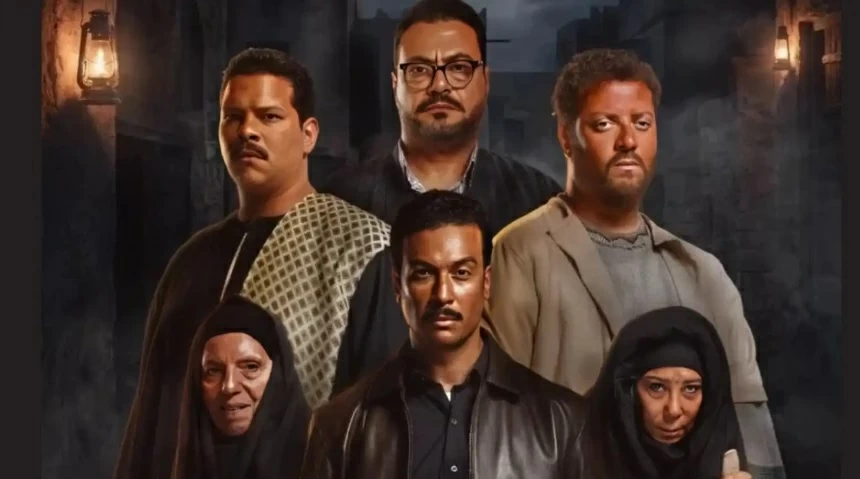
تسببت حلقات حكاية «ما لم يُحكَ عن بني مزار»، ضمن مسلسل «القصة الكاملة»، في مواجهة قانونية بين أسر ضحايا المذبحة الشهيرة بمحافظة المنيا في صعيد مصر، وصنّاع العمل، بعدما تقدم الأهالي بشكوى رسمية إلى المجلس الأعلى لتنظيم الإعلام وبلاغ إلى النيابة العامة في بني مزار؛ اعتراضًا على المعالجة الدرامية للجريمة التي وقعت في 2005 وراح ضحيتها 10 أشخاص.
مراجعة المحتوى
وطالب الأهالي بمراجعة محتوى الحلقات معتبرين أن تناول الواقعة بهذه الصورة يمس مشاعر أسر الضحايا وكرامة ذويهم، إلى جانب مخاوفهم من تجدد الخلافات القديمة داخل القرية.
وقال نجل وشقيق اثنين من ضحايا المذبحة أبو بكر عبد الحميد شمس الدين، في شكواه، إن المسلسل أعاد إحياء أحزان العائلات بعد أكثر من 21 عامًا على الجريمة، مشيرًا إلى استخدام الأسماء الحقيقية لعدد من الضحايا، بينهم نساء وأطفال، وتقديم الأحداث في سياق درامي ربطها بالسحر والشعوذة.
وأضاف العمل الدرامي قدم أسر الضحايا بصورة لا تعكس الحقيقة، محذرًا من أن استمرار عرضه قد يؤدي إلى تجدد التوتر بين عائلات الضحايا وأهالي المتهم الرئيسي، الذي صدر حكم ببراءته، رغم استمرار تمسك بعض الأسر باتهاماتها آنذاك.
بلاغ للنيابة
وفي مسار قانوني منفصل، تقدمت المحامية فاطمة الشهاوي ببلاغ إلى النيابة العامة في بني مزار ضد عدد من صناع المسلسل، من بينهم الفنان خالد الصاوي، المخرج أحمد نادر جلال، المنتج مجدي الهواري، والسيناريست هاني سرحان.
وتضمنت الاتهامات الواردة في البلاغ التشهير بالضحايا وأبنائهم، وإثارة الخوف بين أهالي القرية، وإعادة إشعال الخلافات بين العائلات، إلى جانب استغلال تفاصيل المذبحة لتحقيق مكاسب مالية من المشاهدات.
وأشار البلاغ إلى عدم حصول صناع العمل على موافقات كتابية من أسر الضحايا قبل تناول تفاصيل الجريمة وسير ذويهم، مطالبًا الجهات المختصة باتخاذ الإجراءات القانونية اللازمة.
ودعا الأهالي المجلس الأعلى لتنظيم الإعلام إلى فحص محتوى العمل واتخاذ الإجراءات اللازمة بشأن عرضه على القنوات الفضائية والمنصات الرقمية، مستندين إلى القانون رقم 180 لسنة 2018 بشأن تنظيم الصحافة والإعلام.
مذبحة بني مزار
وتعود المذبحة إلى فجر 29 ديسمبر 2005، حين قُتل 10 أشخاص في عزبة شمس الدين التابعة لمركز بني مزار بمحافظة المنيا، جنوبي مصر، في واقعة أثارت جدلًا واسعًا بسبب غموض ملابساتها حتى الآن.
وتعيد حكاية «ما لم يُحكَ عن بني مزار» تناول القضية دراميًا عبر ثلاث حلقات؛ ما أثار اعتراض أسر الضحايا ودفعها إلى التحرك قانونيًا اعتراضًا على طريقة عرض الواقعة.
The episodes of the story "What Has Not Been Told About Beni Mazar," within the series "The Complete Story," have caused a legal confrontation between the families of the victims of the infamous massacre in Minya Governorate, Upper Egypt, and the creators of the work, after the residents filed an official complaint to the Supreme Council for Media Regulation and a report to the Public Prosecution in Beni Mazar; objecting to the dramatic portrayal of the crime that occurred in 2005, which claimed the lives of 10 individuals.
Content Review
The families demanded a review of the episode content, considering that the portrayal of the incident in this manner affects the feelings of the victims' families and the dignity of their loved ones, in addition to their fears of rekindling old disputes within the village.
The son and brother of two of the massacre victims, Abu Bakr Abdul Hamid Shams Al-Din, stated in his complaint that the series has revived the sorrows of the families after more than 21 years since the crime, pointing out the use of the real names of several victims, including women and children, and presenting the events in a dramatic context that linked them to magic and sorcery.
He added that the drama presented the families of the victims in a way that does not reflect the truth, warning that the continuation of the show could lead to renewed tensions between the families of the victims and the relatives of the main accused, who was acquitted, despite some families still holding onto their accusations at that time.
Report to the Prosecution
In a separate legal course, lawyer Fatima Al-Shahawi filed a report with the Public Prosecution in Beni Mazar against several of the series' creators, including artist Khaled El-Sawy, director Ahmed Nader Galal, producer Magdy El-Hawary, and screenwriter Hani Sarhan.
The accusations in the report included defamation of the victims and their children, inciting fear among the villagers, reigniting disputes between families, as well as exploiting the details of the massacre for financial gain from viewership.
The report indicated that the creators of the work did not obtain written approvals from the victims' families before discussing the details of the crime and the circumstances of their loved ones, calling on the relevant authorities to take the necessary legal actions.
The families urged the Supreme Council for Media Regulation to examine the content of the work and take the necessary measures regarding its broadcast on satellite channels and digital platforms, relying on Law No. 180 of 2018 regarding the regulation of press and media.
Beni Mazar Massacre
The massacre dates back to the dawn of December 29, 2005, when 10 people were killed in the Shams Al-Din hamlet, which is part of Beni Mazar Center in Minya Governorate, southern Egypt, in an incident that has sparked widespread controversy due to the ambiguity of its circumstances even now.
The story "What Has Not Been Told About Beni Mazar" revisits the case dramatically over three episodes; this has raised objections from the victims' families and prompted them to take legal action against the way the incident was presented.