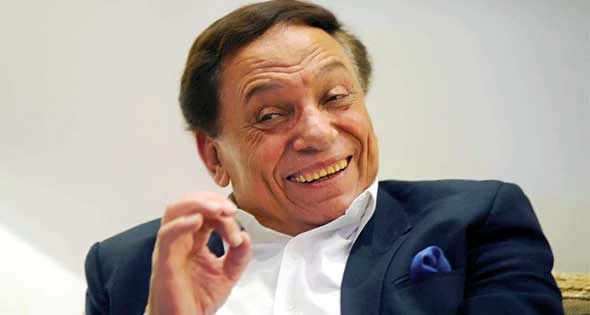
أعاد مهرجان الغردقة لسينما الشباب واحداً من أبرز أفلام الزعيم عادل إمام المثيرة للجدل، وهو فيلم «الحريف»، المعروض في 1984، إلى الواجهة، بما رافقه آنذاك من ملابسات استثنائية جعلت نجم الكوميديا البارز «يتبرأ» منه، بحسب شهادات موثقة لأسماء بارزة في المشهد السينمائي المصري، منهم المخرج يسري نصرالله، والسيناريست الراحل بشير الديك.
محمد خان
ويحتفي المهرجان في دورته الرابعة، المقامة في الفترة من 10 إلى 15 سبتمبر القادم، بمرور 10 سنوات على رحيل المخرج محمد خان، كما اختارت إدارة المهرجان «بوستر» فيلم «الحريف» الذي أخرجه خان ليكون الشعار الرسمي للدورة الجديدة.
ويتناول الفيلم من منظور السينما الواقعية حياة الطبقة دون المتوسطة وما يعتريها من هموم وأحلام ومعاناة، وفق توجه عام اشتُهر به محمد خان، وساعده في ذلك السيناريو الذي كتبه بشير الديك، كما تبنى التوجه نفسه لاحقاً يسري نصرالله الذي عمل مساعداً لخان في هذا العمل.
إيرادات ضعيفة
جسّد عادل إمام شخصية «فارس»، صاحب الموهبة الاستثنائية في لعبة كرة القدم والذي يقضي معظم وقته في الساحات الشعبية للمشاركة في مباريات تدار بناء على مراهنات مالية يتكسب منها، وهو ما يتسبب في فصله من عمله بمصنع الأحذية، نتيجة إهماله الشديد.
وصُدم «الزعيم» بسبب الإيرادات الضعيفة للغاية التي حققها الفيلم، بعد أن كان قد اعتاد على صدارة شباك التذاكر من خلال أفلام سابقة لتك التجربة وضعته على قمة صناعة الأفلام مثل «حب في الزنزانة» و«المشبوه» و«على باب الوزير» و«عصابة حمادة وتوتو» و«المتسول».
وزاد من غضبه، بحسب مؤرخين فنيين ونقاد، إحساسه بأن محمد خان استغرقه الطابع التجريبي وجماليات فن السينما على حساب التشويق والإثارة، فجاء العمل غير معتاد ولا يناسب ذائقة جمهوره.
وأكد عادل إمام للمقربين منه آنذاك أنه لن يتعاون مع خان مجدداً، معترفاً بشعوره بـ«الندم» على تلك التجربة التي قدم فيها لوناً سينمائياً بدا خارجاً عما يتوقعه جمهوره الذي ينتظر منه الكوميديا والبهجة، وليس الكآبة والتجهم.
The Hurghada Youth Cinema Festival has brought back one of the most controversial films of the star Adel Imam, which is the film "Al-Hareef," released in 1984, to the forefront, accompanied by the exceptional circumstances at that time that made the prominent comedy star "disown" it, according to documented testimonies from notable figures in the Egyptian cinema scene, including director Yousry Nasrallah and the late screenwriter Bashir Al-Dik.
Mohamed Khan
The festival, in its fourth edition, taking place from September 10 to 15, celebrates the 10th anniversary of the passing of director Mohamed Khan. The festival management has chosen the poster of the film "Al-Hareef," directed by Khan, to be the official logo for the new edition.
The film addresses, from the perspective of realistic cinema, the life of the lower middle class and the concerns, dreams, and struggles it faces, in line with the general approach that Mohamed Khan was known for, supported by the screenplay written by Bashir Al-Dik. Yousry Nasrallah, who worked as Khan's assistant on this project, later adopted the same approach.
Poor Revenues
Adel Imam portrayed the character "Fares," a person with exceptional talent in football who spends most of his time in popular arenas participating in matches run based on financial bets from which he earns, leading to his dismissal from his job at the shoe factory due to his severe neglect.
The "leader" was shocked by the extremely poor revenues the film achieved, after he had been accustomed to topping the box office with previous films that had placed him at the pinnacle of the film industry, such as "Love in the Cell," "The Suspicious," "On the Minister's Door," "Hamada and Toto's Gang," and "The Beggar."
According to art historians and critics, his anger was further fueled by the feeling that Mohamed Khan was absorbed in the experimental nature and aesthetics of cinema at the expense of excitement and thrill, resulting in a work that was unusual and did not suit the tastes of his audience.
Adel Imam confirmed to those close to him at the time that he would not collaborate with Khan again, admitting his feelings of "regret" over that experience in which he presented a cinematic style that seemed outside of what his audience expected, who were waiting for comedy and joy, not gloom and frowning.