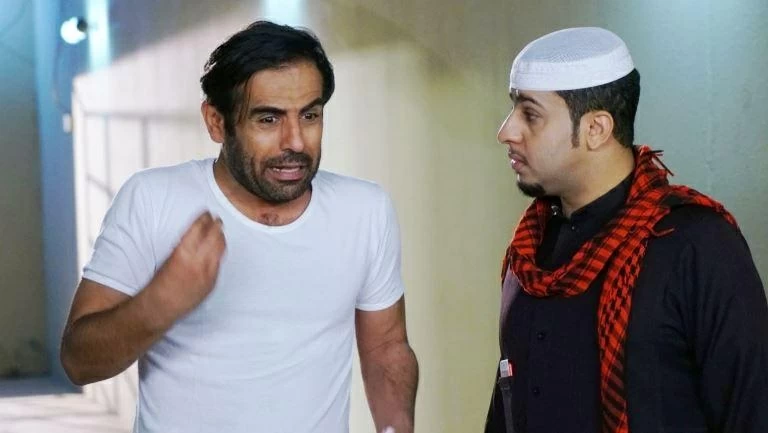
في تصريحاتٍ هزّت أوساط المتابعين، وأشعلت فتيل الجدل على منصات التواصل الاجتماعي، عاد الفنان السعودي عبدالعزيز الفريحي ليفتح ملف «شباب البومب» من جديد، كاشفاً تفاصيل صادمة حول كواليس صناعة المسلسل الذي تربعت أجزاؤه على عرش الكوميديا الخليجية لسنوات.
وفي مقطع فيديو «جريء» على منصة «إكس»، لم يكتفِ الفريحي بكونه أحد وجوه العمل، بل ادّعى «أبوّته» للمشروع بالكامل. مؤكداً أنه هو من ابتكر اسم المسلسل، وأطلق اسم «عامر» على الشخصية الرئيسية، بل ومنحها لقب «الفتى الذهبي»، الذي بات أيقونة بين الشباب.
لم تكن التصريحات فنيّة فحسب، بل اتخذت منحىً عاطفياً ودينياً لافتاً. إذ أقسم الفريحي على صدق روايته، معلناً أنه سيؤدي فريضة الحج هذا العام، ومرسلاً رسائل مبطنة، بين دعوات لمن أنصفه، وأخرى ضد من وصفهم بأنهم «ظلموه» وسلبوه حقه في ملكية فكرة العمل.
وفي الوقت الذي اشتعلت فيه المنصات بين مؤيد للفريحي ومطالب بالأدلة القانونية، التزمت الجهات المنتجة لـ «شباب البومب» صمتاً تاماً، مما زاد من غموض المشهد وأثار تساؤلات المتابعين: هل نحن أمام «معركة حقوق ملكية» قد تصل للمحاكم، أم مجرد خلاف شخصي في كواليس العمل؟
ويعتبر «شباب البومب» اليوم ظاهرة جماهيرية كبرى، وما كشفه الفريحي يضع تاريخ هذا المسلسل في اختبار حقيقي، فهل ستتحول هذه التصريحات إلى مادة دسمة لجدل قانوني يغيّر خريطة ملكية العمل؟ أم سيظل «صمت المنتجين» هو سيد الموقف؟
In statements that shook the followers and ignited controversy on social media platforms, Saudi artist Abdulaziz Al-Furaihi returned to reopen the file on "Shabab Al-Bomb," revealing shocking details about the behind-the-scenes of the series that has dominated the Gulf comedy scene for years.
In a "bold" video on the "X" platform, Al-Furaihi did not just settle for being one of the faces of the project; he claimed "fatherhood" over the entire project. He confirmed that he was the one who invented the name of the series, named the main character "Amer," and even gave him the title "the golden boy," which has become an icon among the youth.
The statements were not only artistic but also took a striking emotional and religious turn. Al-Furaihi swore by the truth of his narrative, announcing that he would perform the Hajj this year, sending veiled messages, with calls for those who supported him and others against those he described as having "wronged him" and deprived him of his right to the ownership of the idea.
While the platforms ignited with supporters of Al-Furaihi and demands for legal evidence, the producers of "Shabab Al-Bomb" maintained complete silence, which increased the ambiguity of the scene and raised questions among followers: Are we facing a "battle of ownership rights" that could reach the courts, or is it merely a personal dispute behind the scenes of the work?
Today, "Shabab Al-Bomb" is considered a major cultural phenomenon, and what Al-Furaihi revealed puts the history of this series to a real test. Will these statements turn into substantial material for a legal debate that changes the ownership landscape of the work? Or will the "silence of the producers" remain the dominant position?