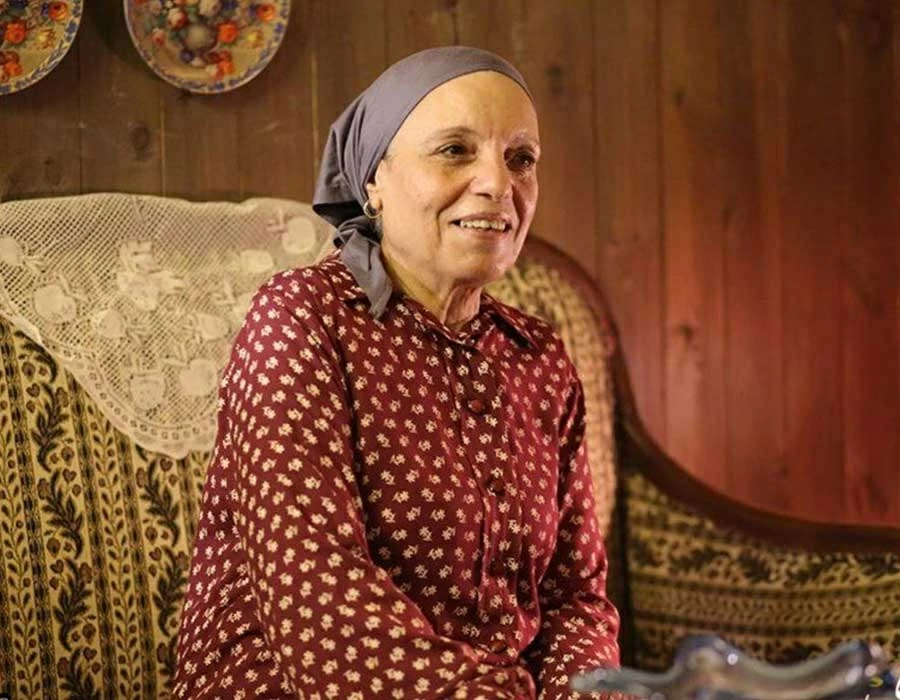
حين تتحول المشاعر الإنسانية إلى «تريند»، يصبح التصريح الفني حدثاً اجتماعياً بامتياز. هذا ما فعلته الفنانة المصرية عارفة عبدالرسول، التي أثارت عاصفة من الجدل بعد كشفها تفاصيل غير متوقعة حول لحظة وفاة زوجها، في لقاء إذاعي جريء مع الإعلامية إنجي علي.
صدمة «الهدوء غير المبرر»
في وقتٍ يتوقع فيه الجمهور «الانهيار والبكاء» عند فقدان شريك العمر، خرجت عارفة عبد الرسول برواية مغايرة تماماً، مؤكدة أنها لم تمر بأي حالة صدمة أو انهيار، وأن رحيله مرّ عليها بهدوءٍ لافت. هذه الصراحة، التي وصفها البعض بـ«الجرأة النادرة»، اعتبرها آخرون «كسراً للتابوهات» المجتمعية المرتبطة بمراسم الحزن والحداد.
ولم تكن صراحة الفنانة اعتباطية، بل بررتها بطبيعة حياتها غير التقليدية مع زوجها، حيث عاشا سنوات طويلة في مدينتين مختلفتين (القاهرة والإسكندرية). وكان هذا البعد الجغرافي، وفقاً لعارفة، سبباً في تغيّر ديناميكية العلاقة، وجعل الموت بالنسبة لها «نهاية طبيعية لمسار طويل»، وليس حدثاً مفاجئاً يستوجب الانكسار العاطفي.
ووراء هذا الهدوء، تكمن شخصية عاشت الحياة بكل تفاصيلها. ابنة حي «الحضرة» بالإسكندرية، التي بدأت حياتها في «بقالة والدها»، وصقلت مهاراتها كموهوبة في «فن الحكي» على مسرح الطليعة. هذه الرحلة، من البقالة إلى كلية الفنون الجميلة وصولاً إلى نجومية أعمال مثل «اللعبة» و«أفراح القبة»، منحتها نظرة فلسفية للحياة جعلتها لا ترى الموت كوحشٍ كاسر، بل كحقيقة لا تستدعي التجميل.
هل كسرت «عارفة» حاجز التوقعات؟
أعادت تصريحات عارفة عبدالرسول فتح الباب للنقاش: هل المشاعر الإنسانية محكومة بقوالب اجتماعية؟ وهل الصراحة في التعبير عن «عدم الحزن» تعتبر شجاعة أم قسوة؟
واليوم، لا تزال عارفة عبد الرسول، بملامحها الشعبية وذكائها الفطري، تثير الجدل ليس فقط بأدائها التمثيلي، بل بطريقتها الخاصة في قراءة الموت والحياة، تاركةً الجمهور في حيرة بين التعاطف مع «إنسانية اللحظة» وبين الصدمة من «واقعيتها المفرطة».
When human emotions turn into a "trend," a artistic statement becomes a social event par excellence. This is what Egyptian artist Arefa Abdel-Rasoul did, stirring a storm of controversy after revealing unexpected details about the moment of her husband's death in a bold radio interview with media personality Engy Ali.
The Shock of "Unjustified Calm"
At a time when the audience expects "collapse and crying" upon losing a life partner, Arefa Abdel-Rasoul presented a completely different narrative, confirming that she did not experience any shock or breakdown, and that her husband's passing was marked by a striking calmness. This honesty, which some described as "rare courage," was considered by others as "breaking societal taboos" associated with mourning and grief rituals.
The artist's frankness was not arbitrary; she justified it by the nature of her unconventional life with her husband, as they lived for many years in two different cities (Cairo and Alexandria). This geographical distance, according to Arefa, changed the dynamics of their relationship, making death for her "a natural end to a long journey," rather than a sudden event that necessitates emotional breakdown.
Behind this calmness lies a personality that has lived life in all its details. The daughter of the "Hadra" neighborhood in Alexandria, who began her life in her father's grocery store, honed her skills as a talented storyteller on the Taliaa Theater stage. This journey, from the grocery store to the Faculty of Fine Arts and reaching stardom in works like "The Game" and "Weddings of the Dome," granted her a philosophical outlook on life that made her see death not as a ferocious beast, but as a reality that does not require beautification.
Did "Arefa" Break the Barrier of Expectations?
Arefa Abdel-Rasoul's statements reopened the discussion: Are human emotions governed by social molds? And is the honesty in expressing "lack of sorrow" considered bravery or cruelty?
Today, Arefa Abdel-Rasoul, with her popular features and innate intelligence, continues to stir controversy not only with her acting performance but also with her unique way of interpreting death and life, leaving the audience in a dilemma between empathizing with the "humanity of the moment" and being shocked by its "excessive realism."