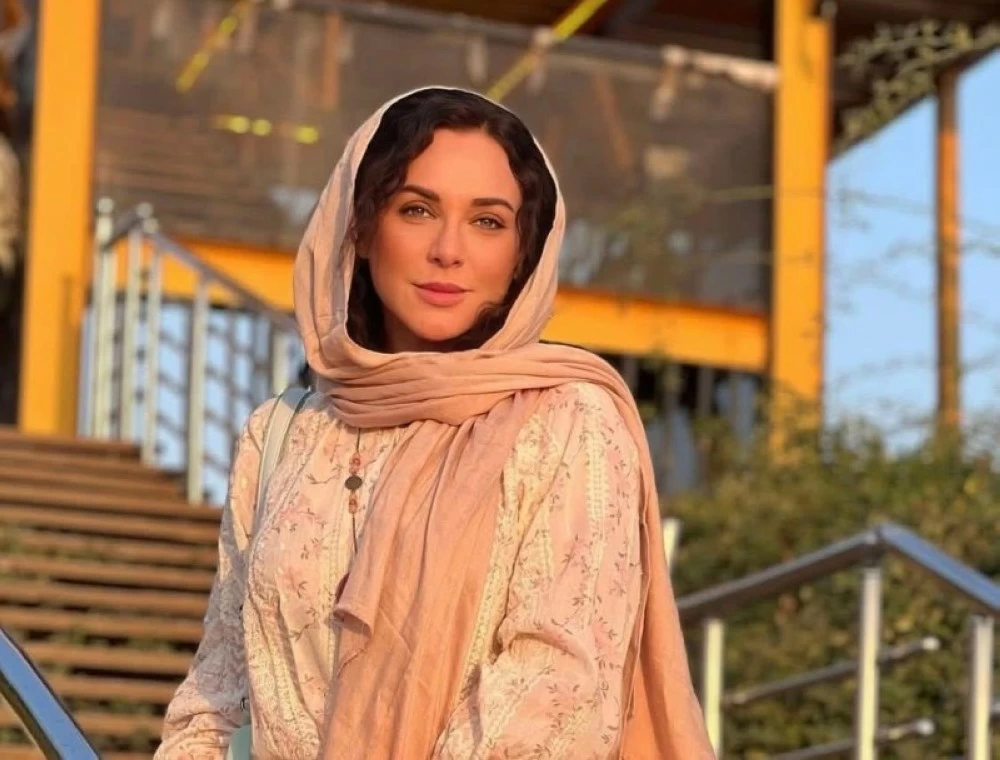
ردت الفنانة السورية سلاف فواخرجي على جدل ظهورها بالحجاب سابقًا خلال مشاركتها في مهرجان فجر السينمائي بطهران أثناء عرض فيلمها «أرض الملائكة»، بالاضافة إلى تعليقها على موقفها من الحجاب والحرية الشخصية.
موقف مسيء أشعل الجدل
وأوضحت فواخرجي، عبر منشور على حسابها الشخصي في «فيسبوك»، أنها شهدت قبل سنوات موقفًا اعتبرته مسيئًا، حين سخر أحد المخرجين من زوجة أحد زملائه بسبب ارتدائها الحجاب، واصفًا إياه بالتخلف، مؤكدة أنها صدمت من التناقض بين الدعوة إلى الحرية الشخصية ورفض حرية الآخرين في اختيار ملابسهم.
الحرية لا تتجزأ
وشددت على أن الدفاع عن الحريات يجب أن يكون شاملًا، وأن الاختلاف في الرأي لا يبرر الإهانة أو فرض الوصاية على الآخرين.
الاحترام قبل العلاقات
وأضافت أن تقديرها لموهبة ذلك المخرج لم يتغير، لكن احترامها له تراجع، موضحة أن الحب شعور قد يتبدل، بينما الاحترام قيمة أكثر ثباتًا، في إشارة إلى أن المبادئ تتقدم لديها على العلاقات الشخصية.
الحجاب كجزء من الثقافة
كما أشارت إلى أنها قد تختلف فكريًا مع فكرة الحجاب أو غيرها من القضايا الاجتماعية، لكنها تعتبره جزءًا من ثقافات الشعوب، موضحة أن غطاء الرأس وجد تاريخيًا قبل الأديان بأشكال متعددة ارتبطت بالبيئة والمناخ، ثم اكتسب مع الوقت أبعادًا دينية وثقافية.
ظهورها بالحجاب في إيران
وبشأن ارتدائها الحجاب سابقًا، أوضحت أنها التزمت به احترامًا لقوانين البلد وأعرافه، مشددة على أن ذلك خيار شخصي لا ينتقص من حريتها، بل يعكس قناعتها بأن الاحترام لا يتعارض مع الحرية، بل يكملها.
The Syrian artist Sulaf Fawakherji responded to the controversy surrounding her appearance in a hijab during her participation in the Fajr Film Festival in Tehran while presenting her film "Land of Angels," in addition to commenting on her stance regarding the hijab and personal freedom.
An Offensive Stance That Sparked Controversy
Fawakherji explained, through a post on her personal account on "Facebook," that she witnessed an incident years ago that she considered offensive, when one of the directors mocked the wife of one of his colleagues for wearing a hijab, describing it as backwardness. She emphasized that she was shocked by the contradiction between advocating for personal freedom and rejecting the freedom of others to choose their clothing.
Freedom is Indivisible
She stressed that defending freedoms should be comprehensive, and that differing opinions do not justify insult or imposing guardianship over others.
Respect Before Relationships
She added that her appreciation for that director's talent has not changed, but her respect for him has diminished, clarifying that love is a feeling that may change, while respect is a more stable value, indicating that principles take precedence over personal relationships for her.
The Hijab as Part of Culture
She also pointed out that she may intellectually disagree with the idea of the hijab or other social issues, but she considers it part of the cultures of peoples, explaining that head coverings historically existed before religions in various forms linked to the environment and climate, and then gained religious and cultural dimensions over time.
Her Appearance in a Hijab in Iran
Regarding her wearing the hijab in the past, she clarified that she adhered to it out of respect for the laws and customs of the country, emphasizing that this is a personal choice that does not diminish her freedom, but rather reflects her conviction that respect does not contradict freedom, but rather complements it.