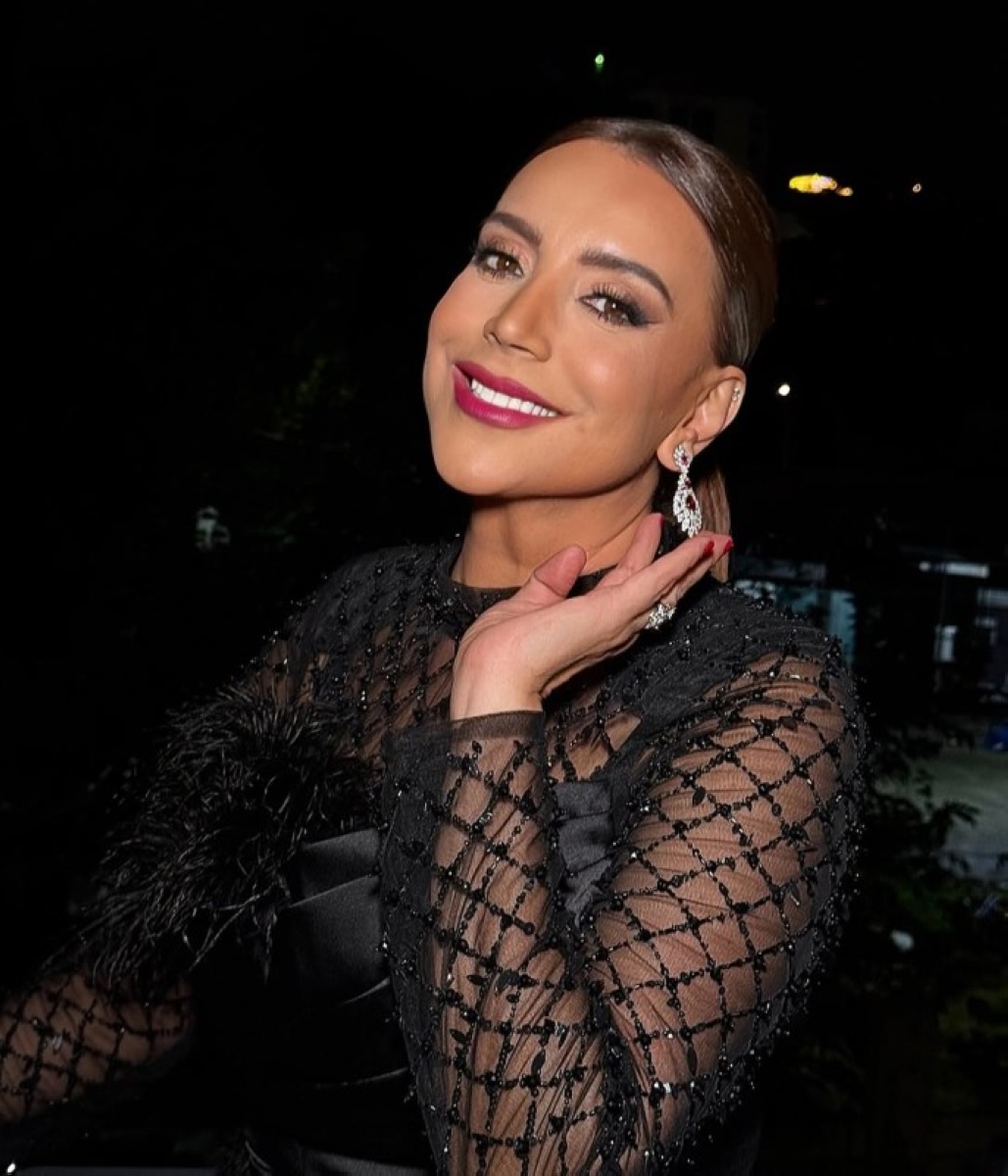
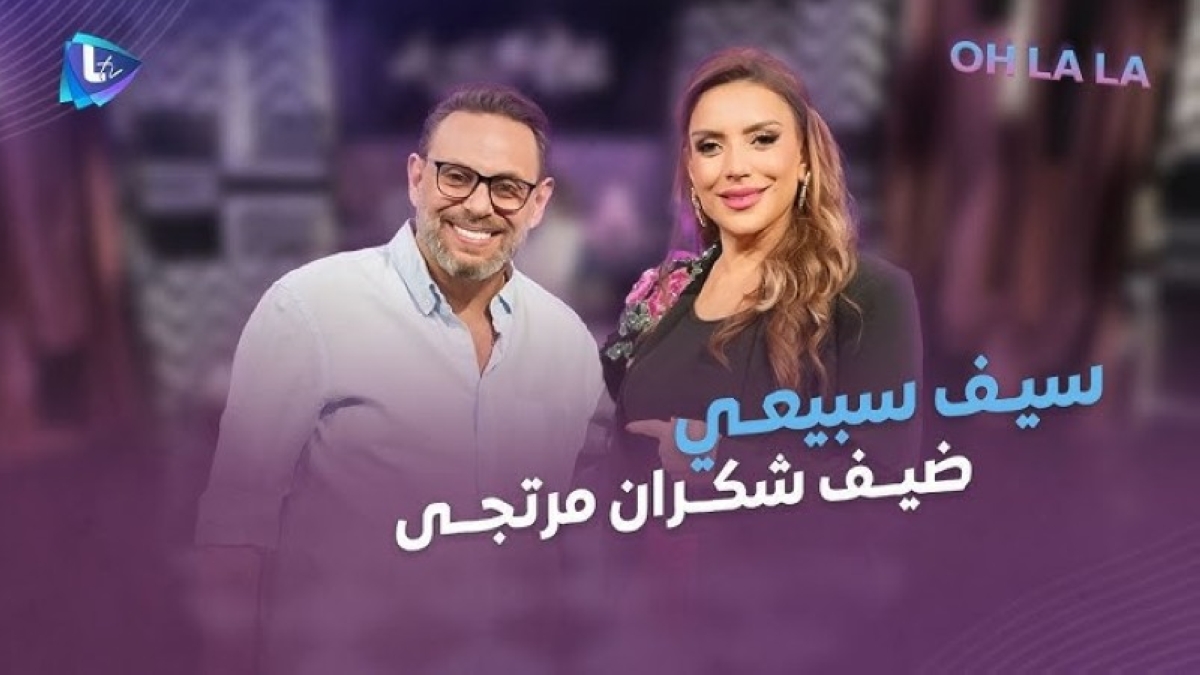
يبدو أن برنامج «أوه لا لا» الذي تقدمه الفنانة السورية شكران مرتجى على قناة «أل تي في» سيشكل منعطفا حادا في مسيرتها الفنية والمهنية، ومفترق طريق لمرتجى يمتد إلى حياتها الأسرية، لاسيما مع مطالبة عدد من المغردين بسحب الجنسية السورية من شكران ذات الأصل الفلسطيني والتي حصلت عليها في 2012 بقرار من وزارة الداخلية، إثر تناولها الأوضاع السياسية في سورية عبر البرنامج.
**media«2603515»**
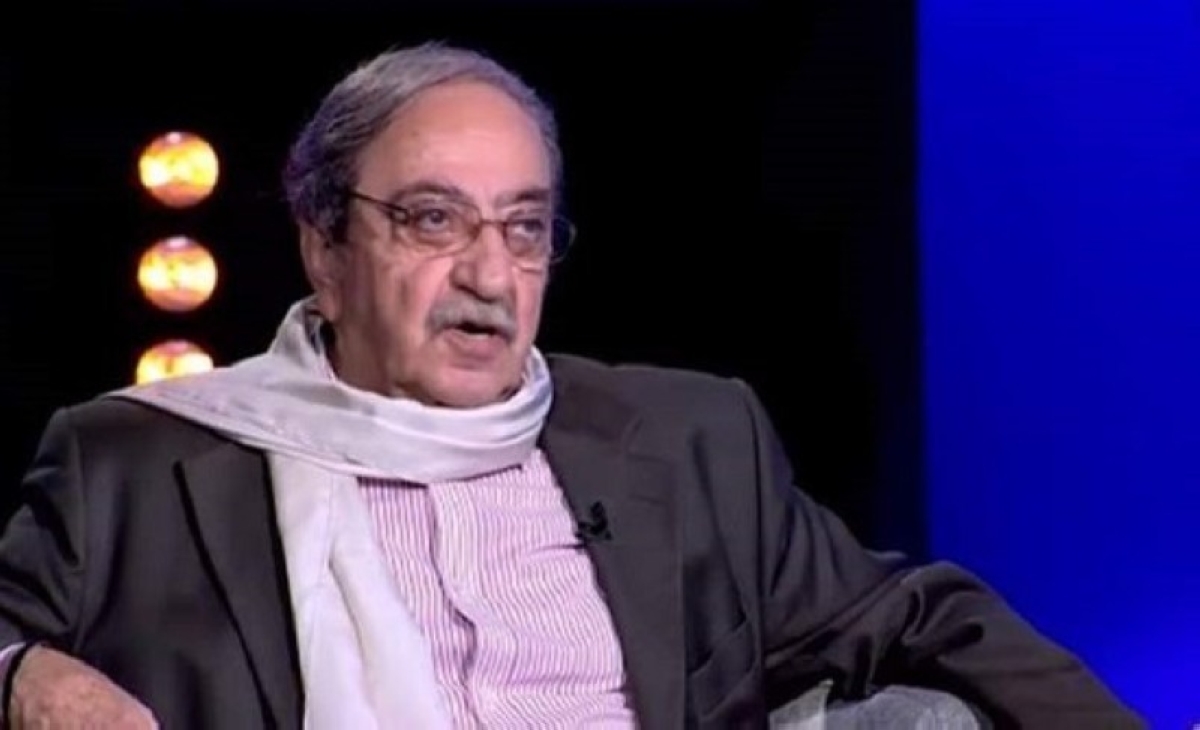
ولم تهنأ مرتجى بعرض الحلقتين الأولى والثانية من البرنامج والتي استضافت خلالهما الفنان دريد لحام، والمخرج السوري سيف الدين سبيعي، بعدما خالف التوقعات بتحقيق نسب مشاهدات مرتفعة لاسيما مع الانتقادات الجماهيرية التي طالته جراء الحديث عن الأوضاع السياسية في سورية، ووصف عدد كبير من المتابعين أسئلة المقدمة بالتافهة والمستفزة وغير المنطقية.
وداع مؤقت
وبمجرد انتهاء الحلقة الثانية من البرنامج تصدّر اسم شكران مرتجى قائمة الموضوعات الأكثر تداولا في سورية ولبنان، وانقسمت التعليقات بين معارضين اتهموا القائمين على البرنامج بمحاولة تلميع الوجوه المحسوبة على نظام الأسد، ومؤيدين رأوا أن سبيعي تجاوز الخطوط الحمراء وانتقد الدولة بشكل غير مباشر.
وما بين مؤيدي ومعارضي البرنامج وجدت مرتجى نفسها وسط نيران الطرفين ما اضطرها لإغلاق حسابيها الرسميين على «فيسبوك» و«إكس» بشكل مؤقت أمس (الأربعاء)، في محاولة منها لاحتواء العاصفة والزوبعة الإعلامية التي خلفها عرض الحلقة الثانية من البرنامج.
**media«2603514»**
تمجيد الأسد
وأثير الجدل إثر فقرة تناول فيها الطرفان الأوضاع السياسية في سورية، واعتبرها منتقدون «تمجيدا للنظام الأسدي».
وقال سبيعي خلال هذه الفقرة بأن «تغيير الأشخاص في المناصب لا يعني سقوط النظام أو تحوله، نحن نغير الأشخاص لكن النهج واحد»، مضيفا أن «ما نعيشه اليوم فرصة نادرة للتعبير عن الرأي، ويجب أن نستغلها قبل أن تغلق ثانية»، محذرا بأن اختزال المجتمع السوري في لون واحد خطر على تماسك الوطن.
كما وجّه المخرج انتقادات إلى نقابة الفنانين السوريين، واصفا قراراتها بالمزاجية وغير الشفافة فيما يتعلق بفصل الأعضاء والسماح لهم بالعمل، في إشارة إلى الإجراءات التي اتخذتها النقابة بحق عدد من الفنانين المعروفين بدعمهم للرئيس السابق بشار الأسد، مثل سلاف فواخرجي وزوجها وائل رمضان.
ولم تدلِ مرتجى بموقف واضح من تصريحات سبيعي، إلا أن أسئلتها وصفت بالـ«مستفزة»، من بينها: «هل أثمرت الثورة؟»، و«هل ما يجري اليوم هو ما أراده الثوار؟»، وهي أسئلة اعتبر بعض السوريين أنها تحمل نبرة نقدية غير مباشرة.
وأثارت شكران الانتقادات حين قارنت بين الحياة السياسية في لبنان، التي وصفتها بأنها «متنوعة»، وبين ما سمّته «ثقافة اللون الواحد» في سورية.
كذلك وجّهت مرتجى وسبيعي انتقادات لطريقة التعامل مع الفنانين الذين كانوا معارضين للأسد قبل سقوطه، واعتبرا أن الاحتفاء بعودتهم بعد سقوط النظام كان مبالغا فيه، وأن الأجدر، بحسب تعبير سبيعي، أن يكون الاحتفاء برجال السياسة لا بالفنانين.
**media«2603513»**
عذراً من القلب
في البداية، ردت شكران مرتجى على الانتقادات التي طالتها بتعليقات مقتضبة مثل «احترامي للجميع»، غير أنها سرعان ما نشرت سلسلة منشورات على فيسبوك قبل أن تغلق حساباتها نهائيا.
وكتبت الفنانة السورية: «ظنّ الكثيرون بي ظنّ السوء بعد مشاهدة حلقة من برنامجي الجديد، أقسم بأنه لا أنا ولا المحطة ولا الضيوف غايتنا الفتنة أو السوء أو إثارة الجدل أو إيقاظ الفتنة أو أي نيّة سيئة تجاهكم وتجاه الوطن، بل العكس أتشرف بانتمائي إليكم، وإن كنت تسببت في أذية قلوبكم عذرا من القلب».
كما أوضحت سبب قرارها بالابتعاد عن مواقع التواصل الاجتماعي بقولها: «نبتعد مو لأننا جبناء ولا قليلين حيلة، بنبتعد لأنو في شي ما بيشبهنا، وشتيمتنا بتجي من ناس المفروض بيعرفونا، ولأن أخلاقنا ما بتسمحلنا نرد الإساءة والتجريح، بنبتعد لأنو بنحب وما منعرف نكره».
وفي منشورها الأخير، ودّعت جمهورها قائلة: «وداعا مؤقتا للسوشيال ميديا.. يمكن نرجع وقت نقدر نحكي بمحبة متل قبل».
It seems that the program "Oh No No," hosted by the Syrian artist Shukran Murtaja on "LTV," will mark a sharp turning point in her artistic and professional career, as well as a crossroads for Murtaja that extends to her family life, especially with a number of Twitter users calling for the revocation of Shukran's Syrian nationality, of Palestinian origin, which she obtained in 2012 by a decision from the Ministry of Interior, following her discussion of the political situation in Syria through the program.
**media«2603515»**
Murtaja did not enjoy the airing of the first and second episodes of the program, which featured the artist Dureid Lahham and the Syrian director Saif Al-Din Al-Sebai, after it defied expectations by achieving high viewership rates, especially with the public criticism directed at it due to discussions about the political situation in Syria. A large number of followers described the host's questions as trivial, provocative, and illogical.
Temporary Farewell
As soon as the second episode of the program ended, Shukran Murtaja's name topped the list of trending topics in Syria and Lebanon, with comments divided between opponents who accused the program's creators of trying to polish the image of figures associated with the Assad regime, and supporters who believed that Al-Sebai crossed red lines and criticized the state indirectly.
Amidst supporters and opponents of the program, Murtaja found herself caught in the crossfire of both sides, forcing her to temporarily close her official accounts on "Facebook" and "X" yesterday (Wednesday), in an attempt to contain the storm and media frenzy that followed the airing of the second episode of the program.
**media«2603514»**
Glorification of Assad
The controversy arose during a segment in which both parties discussed the political situation in Syria, which critics considered "a glorification of the Assad regime."
During this segment, Al-Sebai stated that "changing individuals in positions does not mean the fall or transformation of the regime; we change individuals, but the approach remains the same," adding that "what we are experiencing today is a rare opportunity to express our opinions, and we must take advantage of it before it closes again," warning that reducing the Syrian society to a single color is dangerous for the cohesion of the nation.
The director also criticized the Syrian Artists Syndicate, describing its decisions as arbitrary and non-transparent regarding the expulsion of members and allowing them to work, referring to the measures taken by the syndicate against several artists known for their support of former President Bashar Al-Assad, such as Sulaf Fawakherji and her husband Wael Ramadan.
Murtaja did not provide a clear stance on Al-Sebai's statements, but her questions were described as "provocative," including: "Has the revolution borne fruit?" and "Is what is happening today what the revolutionaries wanted?" These questions were considered by some Syrians to carry an indirect critical tone.
Shukran sparked criticism when she compared the political life in Lebanon, which she described as "diverse," to what she called "the culture of a single color" in Syria.
Additionally, Murtaja and Al-Sebai criticized the way artists who opposed Assad before his fall were treated, considering that the celebration of their return after the regime's fall was exaggerated, and that it would have been more appropriate, according to Al-Sebai, to celebrate political figures rather than artists.
**media«2603513»**
Heartfelt Apology
Initially, Shukran Murtaja responded to the criticisms directed at her with brief comments such as "my respect to everyone," but she soon published a series of posts on Facebook before closing her accounts permanently.
The Syrian artist wrote: "Many people thought ill of me after watching an episode of my new program; I swear that neither I nor the station nor the guests aim for sedition or evil or to stir controversy or awaken strife or have any bad intentions towards you or the homeland; on the contrary, I am honored to belong to you, and if I have caused harm to your hearts, I apologize from the heart."
She also explained her decision to distance herself from social media by saying: "We distance ourselves not because we are cowards or powerless, but because there is something that does not resemble us, and our insults come from people who should know us, and because our morals do not allow us to respond to insults and slander, we distance ourselves because we love and do not know how to hate."
In her last post, she bid farewell to her audience, saying: "A temporary farewell to social media... we may return when we can speak with love like before."