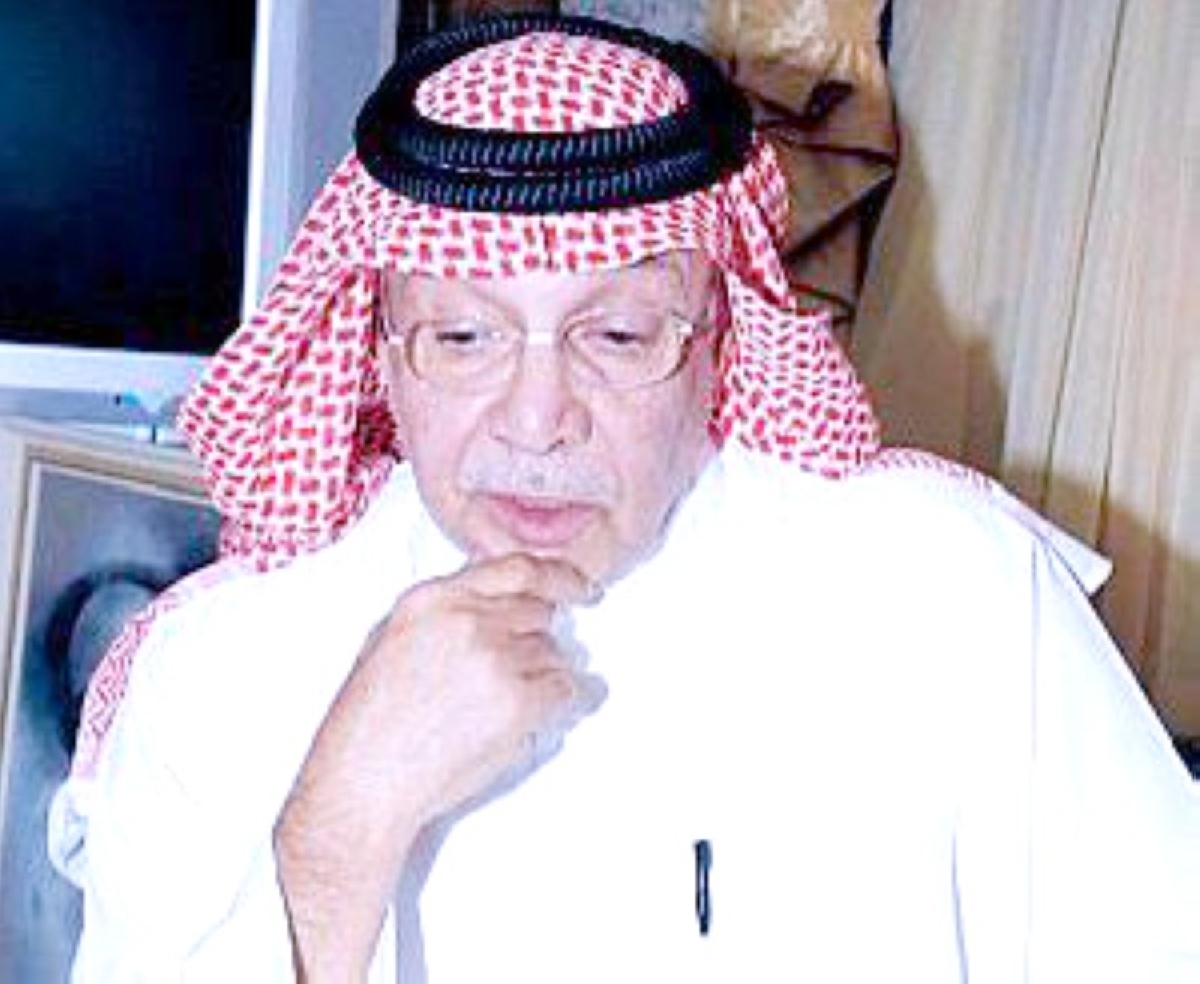
في ذاكرة الأغنية السعودية، يبرز اسم سامي إحسان كأحد أكثر الأسماء حضوراً وتأثيراً، ذلك الفنان الذي تحوّل في نظر الكثيرين إلى صانع النجوم وعرّاب المواهب التي صنعت هوية اللحن السعودي الحديث. لم يكن مجرد ملحنٍ عابر، بل مدرسة فنية متكاملة، مزج بين الأصالة والتجريب، وفتح الطريق أمام أجيال من الأصوات التي غدت لاحقاً رموزاً للطرب الخليجي والعربي.
ولد إحسان في جدة، وبدأ مسيرته في سبعينات القرن الماضي بشغف واضح لإعادة صياغة اللحن السعودي، فكان من أوائل من أدخلوا التنويع المقامي والتوزيع الغربي المتقن إلى الأغنية المحلية. مع الوقت، أصبح اسمه مرتبطاً بكبار الفنانين، إذ لحّن للفنان طلال مداح مجموعة من أبرز أغانيه الخالدة مثل «مرت»، «جمعتنا الظروف»، «ودعيني يا حبيبة»، و«الشوفة معزوزة»، وهي أعمال ما زالت تُستعاد كعلاماتٍ فارقة في ذاكرة الطرب السعودي لما حملته من صدقٍ شعوري وجمالٍ موسيقي متقن.
كما ارتبط تعاونه مع الفنان محمد عبده بمرحلة نضوجٍ فني عالية، حيث قدّم له ألحاناً لا تُنسى، مثل: «إنت محبوبي»، «مالي ومال الناس»، «مع التقدير»، و«يعتادني». في تلك الأعمال، أظهر إحسان قدرة نادرة على قراءة الصوت وتطويعه لخدمة النص، لتخرج ألحانه كأنها امتداد طبيعي لعبارة لم تُكتب بعد، تجمع بين الرهافة والقوة، وبين الانسيابية والضبط الموسيقي الدقيق.
لم يكتفِ سامي إحسان بالتلحين للكبار، بل كان له الفضل في تقديم جيلٍ جديدٍ من الفنانين إلى الساحة، أبرزهم عبدالمجيد عبدالله الذي قدّمه من خلال أغنية «سيد أهلي»، والفنان علي عبدالكريم في بداياته بعددٍ من الألحان التي رسخت اسمه، وصولاً إلى آخر من تبنّاهم فنياً وهو عباس إبراهيم في أغنيته الشهيرة «ريحة الورد»، التي حملت توقيعه ولحنه المليء بالشجن والدفء.
برحيل سامي إحسان عام 2012، فقدت الساحة الموسيقية السعودية أحد أهم روادها الذين شكّلوا ملامح الأغنية الحديثة، صوتاً ولحناً وأسلوباً. فقد كان فناناً يرى في كل صوتٍ جديدٍ فرصة لاكتشاف قصة مختلفة، وفي كل لحنٍ ناجحٍ مسؤولية تجاه المستقبل، ليبقى اسمه علامةً فارقة في سجل الفن السعودي، وذاكرةً لا تغيب عن وجدان الطرب العربي.
In the memory of Saudi song, the name Sami Ihsan stands out as one of the most prominent and influential figures, that artist who, in the eyes of many, has transformed into the maker of stars and the godfather of talents that shaped the identity of modern Saudi melody. He was not just a passing composer, but a complete artistic school, blending authenticity with experimentation, and paving the way for generations of voices that later became symbols of Gulf and Arab music.
Ihsan was born in Jeddah and began his career in the 1970s with a clear passion for reshaping Saudi melody, being one of the first to introduce modal diversity and sophisticated Western arrangements to local songs. Over time, his name became associated with major artists, as he composed for artist Talal Maddah a collection of his most notable timeless songs such as "Mart," "Jama'atna Al-Zuroof," "Wada'ini Ya Habiba," and "Al-Shoufa Ma'zoza," works that are still recalled as landmark moments in the memory of Saudi music for their emotional sincerity and exquisite musical beauty.
His collaboration with artist Mohammed Abdu was also linked to a phase of high artistic maturity, where he provided him with unforgettable melodies, such as: "Enta Mahbubi," "Mali W Mali Al-Nas," "Ma'a Al-Taqdeer," and "Ya'tadni." In those works, Ihsan demonstrated a rare ability to read the voice and adapt it to serve the text, resulting in his melodies sounding like a natural extension of a phrase yet to be written, combining delicacy and strength, as well as fluidity and precise musical control.
Sami Ihsan did not limit himself to composing for the greats; he also played a significant role in introducing a new generation of artists to the scene, most notably Abdul Majid Abdullah, whom he presented through the song "Sayyid Ahli," and artist Ali Abdul Karim in his early days with several melodies that solidified his name, culminating in the last artist he artistically adopted, Abbas Ibrahim, with his famous song "Reehat Al-Ward," which bore his signature and melody filled with nostalgia and warmth.
With the passing of Sami Ihsan in 2012, the Saudi music scene lost one of its most important pioneers who shaped the features of modern song, in voice, melody, and style. He was an artist who saw in every new voice an opportunity to discover a different story, and in every successful melody a responsibility towards the future, leaving his name as a distinctive mark in the record of Saudi art, and a memory that does not fade from the consciousness of Arab music.