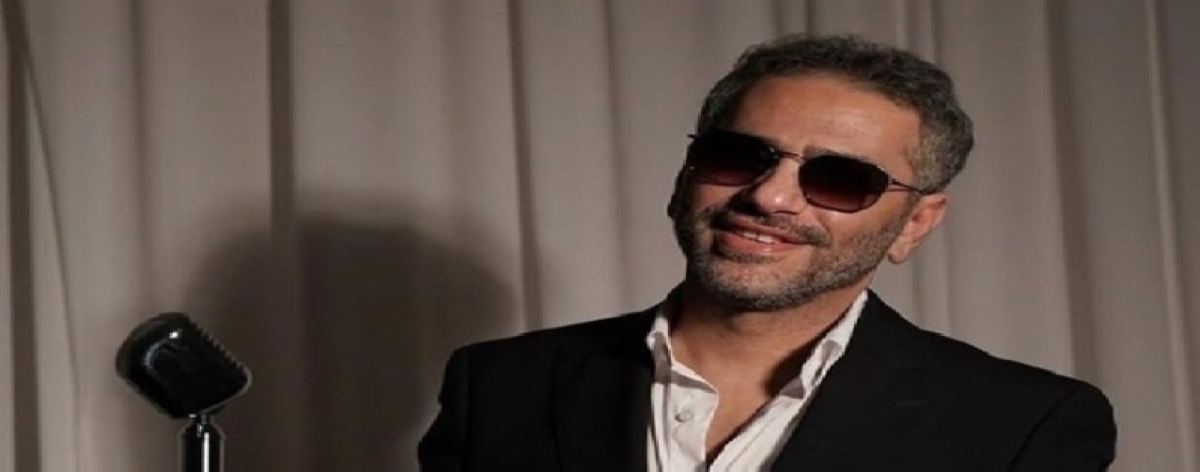
في مشهدٍ أعاد إلى الأذهان واحدة من أكثر القضايا تعقيدًا في لبنان، مثُل الفنان اللبناني فضل شاكر صباح اليوم (الأربعاء) أمام رئيس محكمة الجنايات القاضي بلال الضناوي في قصر العدل في بيروت، في جلسة استجواب تمهيدية تتعلق بدوره في أحداث عبرا - صيدا التي اندلعت عام 2013، وأسفرت آنذاك عن اشتباكات دامية بين الجيش اللبناني وأنصار الشيخ أحمد الأسير.
وبحسب ما أوردته منصة ET بالعربي، فقد حضر شاكر إلى المحكمة في تمام الساعة الثامنة والنصف صباحًا وسط إجراءات أمنية مشددة وانتشار لعناصر القوى الأمنية في محيط القصر، تحسبًا لأي طارئ.
وقد اقتصرت الجلسة على إجراءات شكلية وروتينية، شملت التحقق من هويته الرسمية، وتثبيت اسم محاميه الممثل عنه، وطرح مجموعة من الأسئلة الإجرائية المتصلة بالاستعداد للمحاكمة. وسأله القاضي عما إذا كان قد تعرّض لأي ضغوط أو تهديدات قبل مثوله أمام المحكمة، قبل أن يُسمح له بمغادرة القاعة دون أي إجراء إضافي.
وأعلن القاضي الضناوي خلال الجلسة أن المحاكمة الرسمية ستُعقد في 15 ديسمبر (كانون الأول) القادم، حيث من المقرر أن تبدأ خلالها المرحلة الجوهرية من النظر في الملف بعد سنوات من المماطلة والتأجيلات القانونية.
ورغم مرور أكثر من عقد على أحداث عبرا، لا يزال الملف القضائي مفتوحًا بانتظار صدور حكم نهائي، وسط تضارب الروايات حول حقيقة الدور الذي لعبه الفنان خلال تلك المواجهات.
ففي الوقت الذي تتهمه بعض الجهات بدعم المسلحين وتوفير غطاء إعلامي وشعبي لهم، كان شاكر يؤكد في كل ظهور إعلامي أنه بريء من أي تهمة تتعلق باستخدام السلاح أو التحريض على العنف، قائلاً إن دوره كان «مدنيًا وإنسانيًا»، وإنه لم يشارك يومًا في أي عمل عسكري.
وكان فضل شاكر قد سلّم نفسه طوعًا قبل أسابيع إلى قوة تابعة لاستخبارات الجيش اللبناني عند حاجز الحسبة المؤدي إلى مخيم عين الحلوة في صيدا، بعد سنوات من التواري داخل المخيم، وفق ما نقلته وكالة رويترز.
وأشارت مصادر أمنية إلى أن الفنان بدا هادئًا ومبتسمًا أثناء تسليمه نفسه، وكان يسير على قدميه بثقة ويتحدث مع مرافقيه بنبرة تفاؤل، في مشهد أثار فضول الصحافة اللبنانية التي غطّت الحدث بشكل واسع.
وفي سياق متصل، تداولت وسائل إعلام لبنانية أنباءً عن احتمال إغلاق ملف فضل شاكر نهائيًا قبل نهاية العام الحالي، في حال أُعيد تصنيف التهم الموجهة إليه ضمن خانة «المخالفات غير الجنائية»، ما قد يمهّد لبدء صفحة جديدة في حياته الفنية بعد سنوات من العزلة والجدل.
القضية التي تحولت إلى رمز للجدل بين الفن والسياسة في لبنان، تعود جذورها إلى عام 2013 عندما تورط أحمد الأسير ومجموعة من أنصاره في اشتباكات مسلحة مع الجيش اللبناني في منطقة عبرا شرق صيدا. وقد أدى ذلك إلى سقوط عشرات القتلى والجرحى، وأُصدرت لاحقًا مذكرات توقيف بحق عدد من المشاركين من بينهم فضل شاكر الذي كان من أقرب المقربين إلى الأسير في تلك الفترة.
وخلال السنوات الماضية، حاول شاكر عبر تصريحات إعلامية متكررة تبرئة نفسه من الاتهامات، مؤكدًا أنه لم يحمل السلاح يومًا وأنه انسحب من المشهد السياسي والديني نهائيًا بعد إدراكه لحجم ما سببه الانقسام من أضرار شخصية ومهنية.
كما عبّر في أكثر من مناسبة عن رغبته في العودة إلى الساحة الفنية وفتح صفحة جديدة مع جمهوره، قائلاً في أحد تصريحاته السابقة: «أنا فنان قبل أن أكون أي شيء آخر، وأتمنى أن أُحاسب كإنسان، لا كعنوان سياسي».
ورغم الانقسام الحاد في الشارع اللبناني بين من يطالب بإغلاق ملفه ومن يرى ضرورة استكمال محاكمته، يبقى فضل شاكر -كما تصفه الصحافة- بين الفن والقانون، في منطقة رمادية لم تنته فصولها بعد.
In a scene that brought to mind one of the most complex issues in Lebanon, Lebanese artist Fadel Shaker appeared this morning (Wednesday) before the head of the Criminal Court, Judge Bilal Al-Dhanawi, at the Palace of Justice in Beirut, in a preliminary interrogation session regarding his role in the Abra-Sidon events that erupted in 2013, which resulted in bloody clashes between the Lebanese army and supporters of Sheikh Ahmad Al-Assir.
According to what was reported by the ET بالعربي platform, Shaker arrived at the court at 8:30 AM amid tight security measures and the presence of security forces around the palace, in anticipation of any emergency.
The session was limited to formal and routine procedures, including verifying his official identity, confirming the name of his representing lawyer, and asking a series of procedural questions related to the readiness for trial. The judge asked him if he had faced any pressures or threats before appearing in court, before allowing him to leave the hall without any additional proceedings.
Judge Al-Dhanawi announced during the session that the official trial would be held on December 15, where the substantive phase of examining the case is scheduled to begin after years of delays and legal postponements.
Despite more than a decade having passed since the Abra events, the judicial file remains open, awaiting a final ruling, amidst conflicting narratives about the true role the artist played during those confrontations.
While some parties accuse him of supporting armed groups and providing them with media and popular cover, Shaker has consistently asserted in every media appearance that he is innocent of any charges related to the use of weapons or incitement to violence, stating that his role was "civil and humanitarian," and that he never participated in any military action.
Fadel Shaker voluntarily surrendered weeks ago to a force affiliated with the Lebanese army intelligence at the Al-Hisbah checkpoint leading to the Ain al-Hilweh camp in Sidon, after years of hiding within the camp, according to what Reuters reported.
Security sources indicated that the artist appeared calm and smiling during his surrender, walking confidently on foot and speaking with his companions in an optimistic tone, in a scene that piqued the curiosity of the Lebanese press, which widely covered the event.
In a related context, Lebanese media circulated news about the possibility of closing Fadel Shaker's file definitively before the end of this year, if the charges against him were reclassified as "non-criminal violations," which could pave the way for a new chapter in his artistic life after years of isolation and controversy.
The case, which has become a symbol of the controversy between art and politics in Lebanon, dates back to 2013 when Ahmad Al-Assir and a group of his supporters were involved in armed clashes with the Lebanese army in the Abra area east of Sidon. This led to dozens of deaths and injuries, and arrest warrants were later issued against several participants, including Fadel Shaker, who was one of Al-Assir's closest associates at that time.
Over the past years, Shaker has attempted through repeated media statements to clear himself of the accusations, emphasizing that he never carried a weapon and that he withdrew from the political and religious scene entirely after realizing the extent of the personal and professional damage caused by the division.
He has also expressed on multiple occasions his desire to return to the artistic scene and open a new page with his audience, stating in one of his previous statements: "I am an artist before I am anything else, and I hope to be judged as a human being, not as a political title."
Despite the sharp division in the Lebanese street between those calling for the closure of his file and those who see the necessity of continuing his trial, Fadel Shaker remains - as the press describes him - caught between art and law, in a gray area whose chapters are not yet concluded.