


حين نراجع تاريخ الأغنية الشعبية في السعودية، نجد أن سلامة العبدالله، ليس مجرد مغنٍ من زمن رحل، بل ظِلٌّ باقٍ؛ صوتٌ استطاع أن يؤسس لهوية فنية مستقلة تتمايز عن مدارس زمنه، وتترك بصمة لا تُمحى في الوجدان الجماهيري والنقدي.
من أهم سمات مسيرته، أنه جمع بين عمق التراث، وصدق اللهجة النجدية، وروح التجديد المعاصرة، ليس تجديداً عبثياً بل تجديد يعتمد على الجذور. مزجه بين الشعبي والتراثي والمعاصر كان صادقاً، وولّد أغنيات يغنيها الجمهور اليوم بصوت مطربين آخرين، كـ«تولعت بك والله»، و«يا ذا الحمام» و«شيروا»، غير أن صدى أدائه يظلّ هو المرجع، هو الذي صاغ تلك النصوص بصوته، وزرعها في ذاكرة الساحة.
برز سلامة عبدالله الشمري في أواخر الستينيات وأوائل السبعينيات كأحد أقطاب الأغنية الشعبية السعودية، وظل نشاطه الغنائي يمتد لأكثر من أربعة عقود تقريباً. من أبرز ملامح مسيرته، أنه أسس شركة إنتاج فني ما منح لأعماله نشراً أوسع. كما أن تجديده المستمر في لحنه وأدائه جعله قريباً من الأغنية النجدية الكلاسيكية دون أن يغرق في المحافظة الجامدة.
في تعاونه مع شعراء كبار كأحمد الناصر، خلف بن هذال، راشد الجعيثن، وغيرها من الأسماء المتقدمة في الشعر النبطي، استطاع سلامة أن يختار النصوص التي تناسب صوته وتوقيته الزمني، وأن يضفي عليها موسيقياً.. تلك الشحنة التي تجعل من الأغنية أكثر من مجرد لحن وكلمات: إنها تجربة وجدانية.
من بين أغانيه التي لا تزال تُردد: «يا ذا الحمام» التي تتردد في قوائم الأغاني المألوفة حتى اليوم، أو ألبومات مثل «عروس الشمال» و «مالك عذر»، التي تظهر في منصات البث الحديثة كأعمال تدلّ على عمق الأداء واتساع الرؤية.
ما يميز سلامة أن صوته لم يكن تابعاً لصيحات الغناء السائدة، بل صاغ نمطه الخاص. في النقد الصوتي نقول: هو لم يقلد، بل أعاد تشكيل اللغة الغنائية السعودية بميزانه الصوتي، بطابعه الصوتي، وبنسقه الشخصي في الأداء.
سلامة عاش حقبة انتقالية في المشهد السعودي، حين كان الجمهور يطلب الأصالة ويبحث عن التجديد في آنٍ واحد. في هذا المشهد، كانت تجربته توازناً صعباً، وهو نجح فيه إلى حد بعيد، ليمثل نقطة محورية في تاريخ الأغنية السعودية التي انتقلت من «البدوي - الشعبي» إلى مديات صوتية أوسع.
اليوم، بينما تُعاد قراءة تاريخ الأغنية السعودية، يجب أن يُعطى سلامة العبدالله مكانة ليست فقط كمن غنى، بل كمَن صاغ صوت الفن الشعبي السعودي المستقل، كقيمة تاريخية فنية لا تُختزل في زمنه، بل تُعايش في وجدان الساحة، وتُغذّي الأجيال التي تعيد اكتشافه.
#بروفايل
سلامة العبدالله.. الصوت الرفيع في ذاكرة الأغنية السعودية
12 أكتوبر 2025 - 01:50
|
آخر تحديث 12 أكتوبر 2025 - 01:50
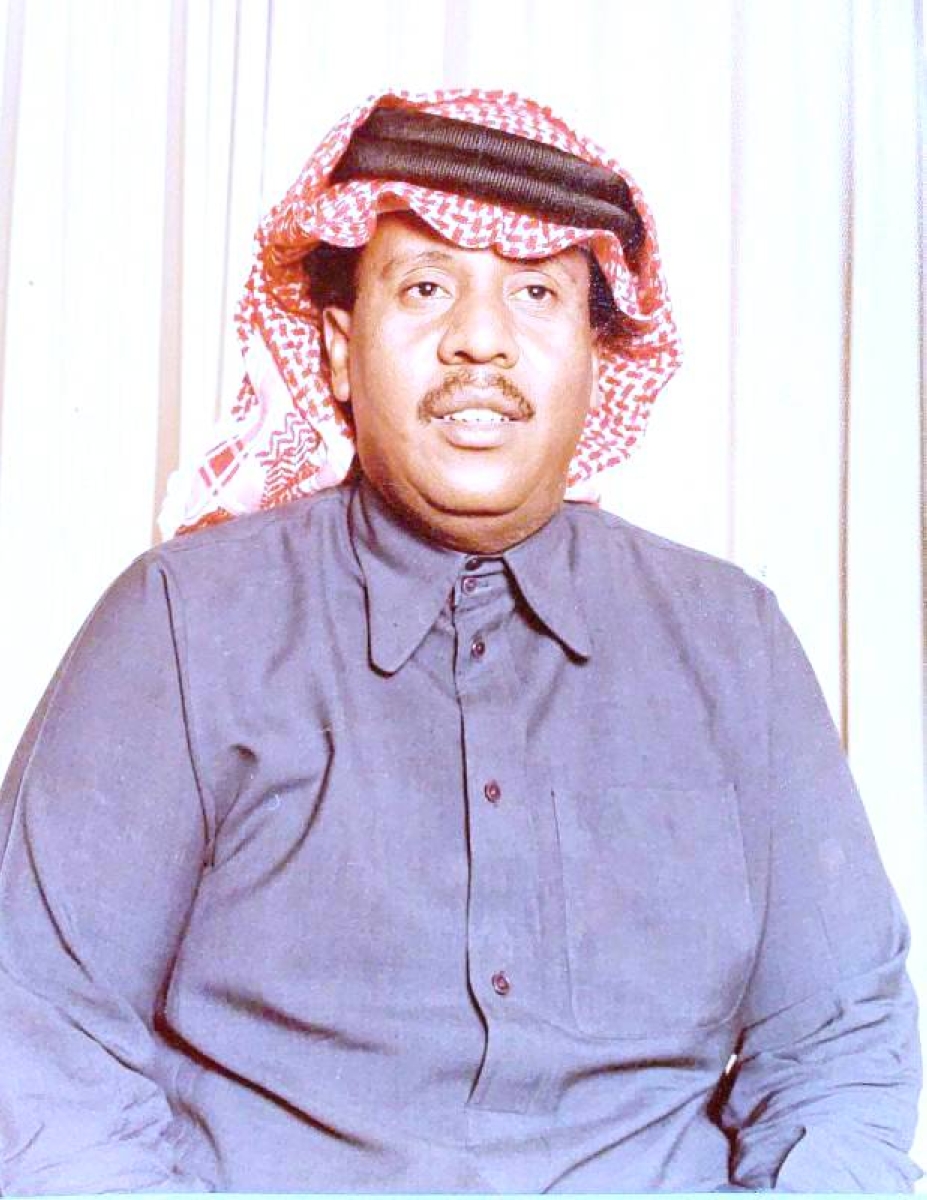
سلامة العبدالله


تابع قناة عكاظ على الواتساب
«عكاظ» (جدة) OKAZ_online@
When we review the history of popular music in Saudi Arabia, we find that Salama Al-Abdullah is not just a singer from a bygone era, but a lasting shadow; a voice that managed to establish an independent artistic identity that distinguishes itself from the schools of his time, leaving an indelible mark on both the public and critical consciousness.
One of the most important features of his career is that he combined the depth of heritage, the authenticity of the Najdi dialect, and the spirit of contemporary renewal—not a random renewal, but one rooted in tradition. His blend of the popular, the traditional, and the contemporary was sincere, generating songs that are sung by the public today in the voices of other singers, such as "Tawallat Bik Wallah," "Ya Dhā Al-Hamām," and "Shirwā," yet the echo of his performance remains the reference; he is the one who crafted those lyrics with his voice and planted them in the memory of the scene.
Salama Abdullah Al-Shammari emerged in the late 1960s and early 1970s as one of the pillars of Saudi popular music, and his singing career extended for more than four decades. One of the prominent features of his career is that he established a production company, which granted his works wider dissemination. His continuous renewal in melody and performance kept him close to classical Najdi music without sinking into rigid conservatism.
In his collaborations with major poets like Ahmed Al-Nasser, Khalaf bin Hithal, Rashid Al-Jaithen, and other prominent names in Nabati poetry, Salama was able to select texts that suited his voice and timing, and to musically infuse them with that charge that makes a song more than just a melody and lyrics: it becomes an emotional experience.
Among his songs that are still echoed today is "Ya Dhā Al-Hamām," which appears in familiar song lists even now, or albums like "Arous Al-Shamal" and "Malik 'Udhur," which feature on modern streaming platforms as works that reflect the depth of performance and the breadth of vision.
What distinguishes Salama is that his voice was not a follower of prevailing singing trends; rather, he shaped his own style. In vocal criticism, we say: he did not imitate, but rather reformed the Saudi lyrical language with his vocal balance, his vocal character, and his personal rhythm in performance.
Salama lived through a transitional period in the Saudi scene, when the audience sought authenticity while simultaneously searching for renewal. In this context, his experience was a difficult balance, and he succeeded in it to a large extent, representing a pivotal point in the history of Saudi music, which transitioned from "Bedouin - popular" to broader vocal dimensions.
Today, as the history of Saudi music is being re-read, Salama Al-Abdullah must be given a status not only as someone who sang, but as one who shaped the voice of independent Saudi popular art, as a historical artistic value that cannot be confined to his time, but rather lives on in the consciousness of the scene, nourishing generations that rediscover him.
One of the most important features of his career is that he combined the depth of heritage, the authenticity of the Najdi dialect, and the spirit of contemporary renewal—not a random renewal, but one rooted in tradition. His blend of the popular, the traditional, and the contemporary was sincere, generating songs that are sung by the public today in the voices of other singers, such as "Tawallat Bik Wallah," "Ya Dhā Al-Hamām," and "Shirwā," yet the echo of his performance remains the reference; he is the one who crafted those lyrics with his voice and planted them in the memory of the scene.
Salama Abdullah Al-Shammari emerged in the late 1960s and early 1970s as one of the pillars of Saudi popular music, and his singing career extended for more than four decades. One of the prominent features of his career is that he established a production company, which granted his works wider dissemination. His continuous renewal in melody and performance kept him close to classical Najdi music without sinking into rigid conservatism.
In his collaborations with major poets like Ahmed Al-Nasser, Khalaf bin Hithal, Rashid Al-Jaithen, and other prominent names in Nabati poetry, Salama was able to select texts that suited his voice and timing, and to musically infuse them with that charge that makes a song more than just a melody and lyrics: it becomes an emotional experience.
Among his songs that are still echoed today is "Ya Dhā Al-Hamām," which appears in familiar song lists even now, or albums like "Arous Al-Shamal" and "Malik 'Udhur," which feature on modern streaming platforms as works that reflect the depth of performance and the breadth of vision.
What distinguishes Salama is that his voice was not a follower of prevailing singing trends; rather, he shaped his own style. In vocal criticism, we say: he did not imitate, but rather reformed the Saudi lyrical language with his vocal balance, his vocal character, and his personal rhythm in performance.
Salama lived through a transitional period in the Saudi scene, when the audience sought authenticity while simultaneously searching for renewal. In this context, his experience was a difficult balance, and he succeeded in it to a large extent, representing a pivotal point in the history of Saudi music, which transitioned from "Bedouin - popular" to broader vocal dimensions.
Today, as the history of Saudi music is being re-read, Salama Al-Abdullah must be given a status not only as someone who sang, but as one who shaped the voice of independent Saudi popular art, as a historical artistic value that cannot be confined to his time, but rather lives on in the consciousness of the scene, nourishing generations that rediscover him.


