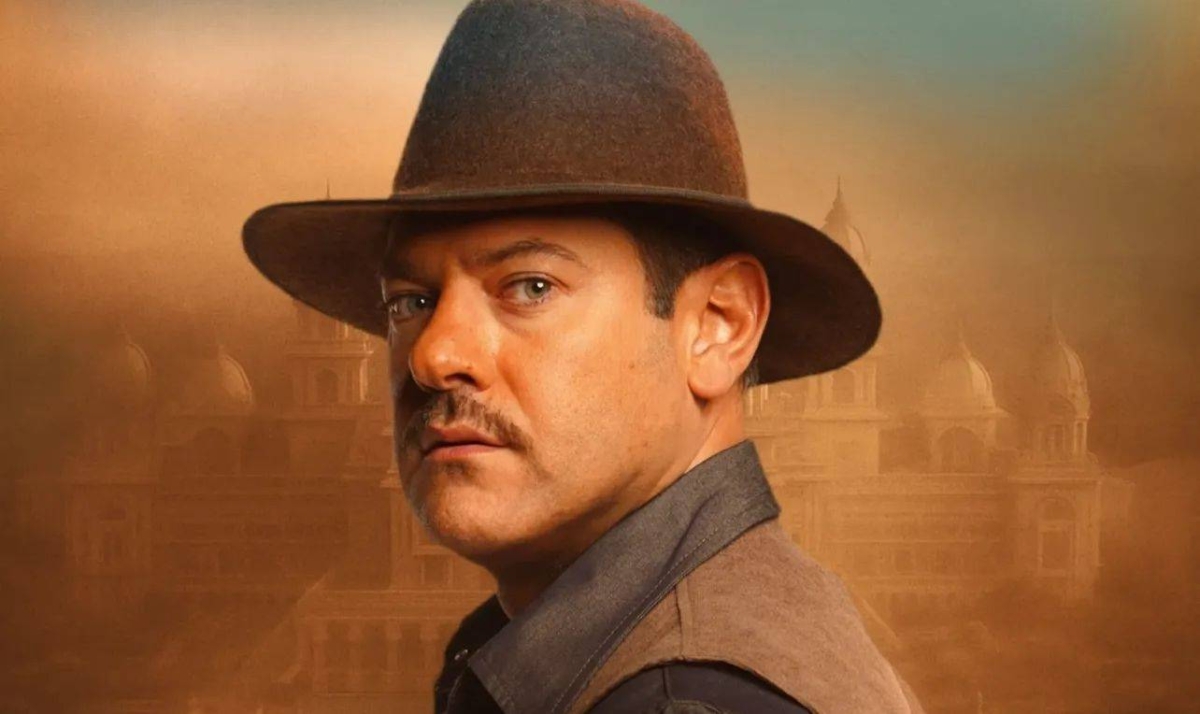
كسر الفنان المصري عمرو يوسف صورته النمطية واختياراته السابقة في فيلم «درويش»، بعدما انتقل من دور «الشاب الوسيم» إلى شخصية «النصاب» ضمن أحداث الفيلم، وحقق العمل إيرادات مرتفعة تجاوزت 25 مليون جنيه في أسابيعه الأولى، وسط منافسة قوية مع سلسلة من الأفلام الأخرى في دور العرض السينمائية، وتحدّث يوسف في حواره مع «عكاظ» عن تجربته في فيلم «درويش»، والصعوبات التي واجهها أثناء التصوير، مستعرضاً علاقته بالمسرح والجمهور السعودي.. فإلى الحوار..
• ما الذي حفّزك على خوض تجربة فيلم «درويش»؟
•• شعرت منذ قراءة سيناريو فيلم «درويش» قبل عامين أنه سيحقق نتيجة مميزة، واستغرق التحضير أكثر من عام لضمان العناية بكل التفاصيل، والفيلم يجمع بين الكوميديا والإثارة والأكشن، وكنت واثقًا أن هذا الاختلاف سيكون مفيدًا، ويُعرض في فترة زمنية محببة للمشاهدين؛ لذلك وجدت الفيلم عملًا متكاملًا ونجحنا في تقديمه بعناية ليحظى بإعجاب الجمهور.
• ما أبرز الصعوبات التي واجهتك أثناء تصوير فيلم «درويش» ؟
•• الجرافيكس والتصوير في شوارع حقيقية دون ظهور عناصر حديثة كان تحديًا، وأغلب التحديات كانت في إعداد السيناريو، التعاون مع الكاتب المميز وسام صبري والمخرج وليد الحلفاوي ساعدنا على تقديم عمل متماسك، كما واجهنا تحديًّا في طريقة وأسلوب الحديث في تلك الحقبة وعدم استخدام ألفاظ حديثة.
• الفيلم يدور في عصر الأربعينات.. كيف تدربت على طريقة اللهجة والحديث في تلك الفترة؟
•• اعتمدت على الانغماس الكامل في تفاصيل الحقبة الزمنية، واطلعت على مراجع متنوعة من أفلام الأربعينات مثل أعمال نجيب الريحاني، إضافة إلى صور ومقالات لتعلم أسلوب الحديث وتصرفات الناس آنذاك، كما ساعدني العمل الجماعي في الإخراج والأزياء والديكور، ما مكّنني من تقديم شخصية «درويش» بصورة صادقة وواقعية.
• بما أنك تجسد دور نصاب محتال، هل تعرّضت شخصيًا لأي عملية نصب؟
•• لم أتعرض لأي عملية نصب حتى الآن، والحمد لله، ودائمًا ما يُقال بإن من يقع ضحية النصب يكون طماعًا، ولحسن حظي لم أكن كذلك أبدًا، كما أستطيع دائمًا تمييز أساليب المحتالين، لذلك لم يُستدرجني أحد حتى اليوم.
• هل خضعت لتدريبات أكشن خاصة أم استعنت بدوبلير في الفيلم؟
•• لا لم أخضع لتدريبات خاصة، ومشاهد الأكشن في الفيلم لم تكن صعبة أو تتطلب استخدام دوبلير؛ لذلك أديت جميع المشاهد بنفسي، وتدربت بشكل عادي على المشاهد، لكنها لم تتطلب تدريبات خاصة، وظهر الأكشن بمظهر جيد وجديد.
• كيف كانت أجواء التصوير والتفاعل بينك وبين مصطفى غريب ودينا الشربيني؟
•• كانت أجواء الكواليس رائعة، مليئة بالحب والتقدير. دينا الشربيني صديقة قديمة وممثلة قوية ومتنوعة، واستمتعت بالعمل معها كالعادة، أما مصطفى غريب وأحمد عبدالوهاب وتارا عماد وخالد كمال ومحمد شاهين فكانوا جميعًا مميزين، وكانت هذه التجربة من أسعد أوقات حياتي المهنية.
• هل تخطط لتقديم مسرحيات جديدة في السعودية بعد «قلبي وأشباحه» ؟
•• لقد قدمت مسرحيات عدة في السعودية، وآخرها «قلبي وأشباحه»، التي حققت نجاحًا كبيرًا وتفاعلًا رائعًا من الجمهور لدرجة أننا اضطررنا لزيادة أيام العرض بسبب الإقبال الكبير، وأحب دائما أن أكون حاضراً على المسرح في السعودية وأتمنى تكرار هذه التجربة مستقبلًا.
• ماذا عن علاقتك بالجمهور السعودي؟
•• علاقتي بالجمهور السعودي قوية جدًا، وقضيت فترة طويلة هناك أثناء تصوير فيلم «ولاد رزق 3»، الجمهور السعودي طيب وجميل وممتع جدًا، وكنا نصور في الشوارع وكانوا يحترموننا ويساعدوننا بشكل كبير، ما جعل تجربة العمل هناك ممتعة للغاية، أحب دائمًا أن أعمل في السعودية، وأن أقدّم أعمالًا تليق بالجمهور هناك وفي الوطن العربي
• هل سعيت جاهدًا لتقديم أدوار متنوعة بعيدًا عن دور «الوسيم»؟
•• بالطبع، حاربت ألا أقع في قالب محدد فقط، وكثير من كبار الممثلين الذين برعوا في دور معين غالبًا ما حُصروا في نوع محدد من الأدوار، أما أنا فكان هدفي دائمًا أن لا أُحصر في دور واحد؛ لذلك ستجد أنني قدمّت شخصيات متنوعة في المسلسلات مثل «طايع الصعيدي» و«جراند أوتيل» في فترة زمنية مختلفة، وفي الأفلام قدمت شخصيات مثل يوسف في «هيبتا»، «درويش»، و«السلم والتعبان»، وكان التنوع في الأدوار هدفًا أساسيًا في مسيرتي الفنية.
• ما رأيك في إعادة تقديم أحد أعمال نور الشريف بأسلوبك الخاص؟
•• الأستاذ نور كان مدرسة كبيرة وممثلًا عظيمًا، وله أعمال رائعة، لكنني لم أفكر في إعادة تقديم أي منها؛ لأنني كنت أشعر دائمًا أنه يحدد سقف الحكاية، وكنت دائمًا أفكر فيما الجديد الذي يمكنني تقديمه ولم يقدمه هو، ومع ذلك أكن له كل التقدير والاحترام لفنه وثقافته الرفيعة.
• هل ستنافس بعمل في موسم دراما رمضان 2026؟
•• ما زلت أقرأ أعمالًا عدة، ولن أشارك في رمضان إلا إذا وجدت سيناريو قويًّا أستطيع تقديمه بشكل جيد ويحقق نجاحًا وينال إعجاب الجمهور
The Egyptian artist Amr Youssef broke his stereotypical image and previous choices in the film "Darwish," as he transitioned from the role of the "handsome young man" to the character of "the con artist" within the film's events. The film achieved high revenues exceeding 25 million pounds in its first weeks, amidst strong competition with a series of other films in cinemas. Youssef talked in his interview with "Okaz" about his experience in the film "Darwish," the difficulties he faced during filming, and his relationship with theater and the Saudi audience. Here is the interview...
• What motivated you to take on the experience of the film "Darwish"?
•• I felt from reading the script of the film "Darwish" two years ago that it would achieve a remarkable result. The preparation took more than a year to ensure attention to every detail. The film combines comedy, suspense, and action, and I was confident that this difference would be beneficial, especially since it is being released at a time favored by viewers. Therefore, I found the film to be a complete work, and we succeeded in presenting it carefully to gain the audience's admiration.
• What were the main difficulties you faced while filming "Darwish"?
•• The graphics and filming in real streets without the appearance of modern elements was a challenge. Most of the challenges were in preparing the script. Collaborating with the distinguished writer Wissam Sabry and director Walid Al-Halfawi helped us present a cohesive work. We also faced a challenge in the way and style of speaking during that era and avoiding modern expressions.
• The film is set in the 1940s... How did you train on the dialect and speaking style of that period?
•• I relied on fully immersing myself in the details of that time period. I consulted various references from 1940s films, such as the works of Naguib Al-Rihani, in addition to photos and articles to learn the speaking style and behaviors of people back then. The teamwork in directing, costumes, and decor also helped me present the character of "Darwish" in an authentic and realistic manner.
• Since you portray a con artist, have you personally ever been a victim of fraud?
•• I have not been a victim of fraud so far, thank God. It is often said that those who fall victim to fraud are greedy, and fortunately, I have never been that way. I can always distinguish the methods of con artists, so no one has ever lured me in until today.
• Did you undergo special action training or did you use a stunt double in the film?
•• No, I did not undergo special training, and the action scenes in the film were not difficult or required the use of a stunt double; therefore, I performed all the scenes myself. I trained normally on the scenes, but they did not require special training, and the action appeared good and fresh.
• What was the atmosphere like during filming and the interaction between you, Mustafa Gharib, and Dina El Sherbiny?
•• The atmosphere behind the scenes was wonderful, filled with love and appreciation. Dina El Sherbiny is an old friend and a strong, versatile actress, and I enjoyed working with her as always. As for Mustafa Gharib, Ahmed Abdel Wahab, Tara Emad, Khaled Kamal, and Mohamed Shahin, they were all exceptional, and this experience was one of the happiest times of my professional life.
• Are you planning to present new plays in Saudi Arabia after "My Heart and Its Ghosts"?
•• I have presented several plays in Saudi Arabia, the latest being "My Heart and Its Ghosts," which achieved great success and wonderful audience interaction to the extent that we had to increase the days of the show due to the high turnout. I always love to be present on stage in Saudi Arabia and hope to repeat this experience in the future.
• What about your relationship with the Saudi audience?
•• My relationship with the Saudi audience is very strong. I spent a long time there while filming "Awlad Rizk 3." The Saudi audience is kind, beautiful, and very enjoyable. We were filming in the streets, and they respected us and helped us greatly, which made the work experience there extremely enjoyable. I always love to work in Saudi Arabia and present works that befit the audience there and in the Arab world.
• Have you strived hard to present diverse roles away from the "handsome" role?
•• Of course, I fought to avoid being confined to a specific mold. Many great actors who excelled in a particular role often find themselves restricted to a specific type of roles. My goal has always been not to be limited to one role; therefore, you will find that I have presented diverse characters in series such as "Tayess Al-Saeedi" and "Grand Hotel" at different times, and in films, I have portrayed characters like Youssef in "Hepta," "Darwish," and "The Ladder and the Snake." Diversity in roles has been a fundamental goal in my artistic career.
• What do you think about reinterpreting one of Nour El Sherif's works in your own style?
•• Professor Nour was a great school and an amazing actor, with wonderful works. However, I have never thought about reinterpreting any of them because I always felt that he sets the ceiling for the story. I have always thought about what new I could present that he hasn't. Nevertheless, I hold him in high regard and respect for his art and high culture.
• Will you compete with a work in the Ramadan drama season of 2026?
•• I am still reading several works, and I will not participate in Ramadan unless I find a strong script that I can present well, achieve success, and win the audience's admiration.