


في ذكرى رحيلها، يطل اسم رجاء بلمليح، كصفحة مضيئة في تاريخ الغناء العربي الحديث. رحلت 2007، في ربيع العمر، لكنها تركت أثراً يتجاوز حدود حياتها القصيرة، أثراً يشهد أن الفن قد يمنح صاحبه خلوداً يسبق كل مقياس للزمن. لم تكن مجرد فنانة عابرة في الساحة، بل كانت من الأسماء التي كسرت الحواجز، وحملت صوت المغرب ليجد مكانه في فضاء الغناء الخليجي الرحب.
منذ انطلاقتها عبر مسابقة «أضواء المدينة» في الثمانينات، بدت مختلفة، تحمل مزيجاً من الرهافة والقوة، لتشقّ طريقها وسط تحديات المشهد الفني العربي. وقدّمت أعمالاً خالدة مثل «صبري عليك طال» و«يا غايب» و«اعتراف»، لتثبت أن صوتها قادر على أن يسكن القلوب في المشرق كما في الخليج. وبهذا الحضور، نافست أسماء كبيرة على رأسها سميرة سعيد، لكنها ظلت محتفظة ببصمتها الخاصة، لتُعرف بأنها الصوت المغربي الخليجي الأصيل.
لم تكن مسيرتها فنية فقط، فقد منحتها «اليونيسيف» لقب «سفيرة النوايا الحسنة» 1999، لتجسّد صورة الفنانة الملتزمة بقضايا مجتمعها، والداعمة للمرأة والتعليم. وعندما غابت بالجسد، بقي صوتها وأعمالها شاهدة على أيقونة غنّت بصدق، ووضعت ابتسامتها على وجدان العرب، قبل أن يختطفها الرحيل المبكر.
تجربة رجاء بلمليح، كانت علامة فارقة في تطويع الصوت المغربي للأغنية الخليجية، فقد امتلكت قدرة على إدراك المقامات المستخدمة في هذا اللون، وأعادت تقديمها بليونة نادرة جعلتها مألوفة للأذن الخليجية دون أن تفقد هويتها الأصلية. هذه القدرة على الدمج بين الأصالة والحداثة منحتها مكانة خاصة بين جمهور المشرق، وأعادت تعريف صورة الفنانة المغربية في المجال الخليجي.
كما تميزت بوعي فني في اختيار نصوصها الغنائية، فكانت حريصة على الكلمات التي تحمل قيمة شعرية، ما جعل أغنياتها تعيش أكثر من زمنها. هذا الوعي النصي ترافق مع تعاملها مع ملحنين كبار استطاعوا أن يبرزوا مساحات صوتها العريضة، ويكشفوا عن طاقاتها في الأداء الطربي والعاطفي معاً.
أما على مستوى الحضور الفني، فقد مثّلت مدرسة في الأداء القائم على البساطة التقنية والإتقان المقامي، بعيداً عن المبالغة في التطريب أو الاستعراض. كانت تعرف متى تترك للمقام فسحته، ومتى تضبط الجملة الموسيقية بصرامة تجعلها متقنة، وهو ما منحها احترام النقاد الذين رأوا فيها صوتاً يمتلك مشروعاً فنياً رصيناً، لا مجرد نجاح عابر.
هكذا، تبقى رجاء بلمليح، جزءاً من ذاكرة الغناء العربي، نموذجاً لفنانة مغربية أفلحت في أن تفتح باباً للأصوات القادمة من المغرب إلى الخليج، وأن تقدم تجربة موسيقية لا تزال تُقرأ كأحد فصول الازدهار الفني العربي في نهايات القرن العشرين.
#بروفايل
18 عاماً على غيابها.. رجاء بلمليح صوت سافر بالأغنية الخليجية إلى المغرب
2 سبتمبر 2025 - 01:09
|
آخر تحديث 2 سبتمبر 2025 - 01:09
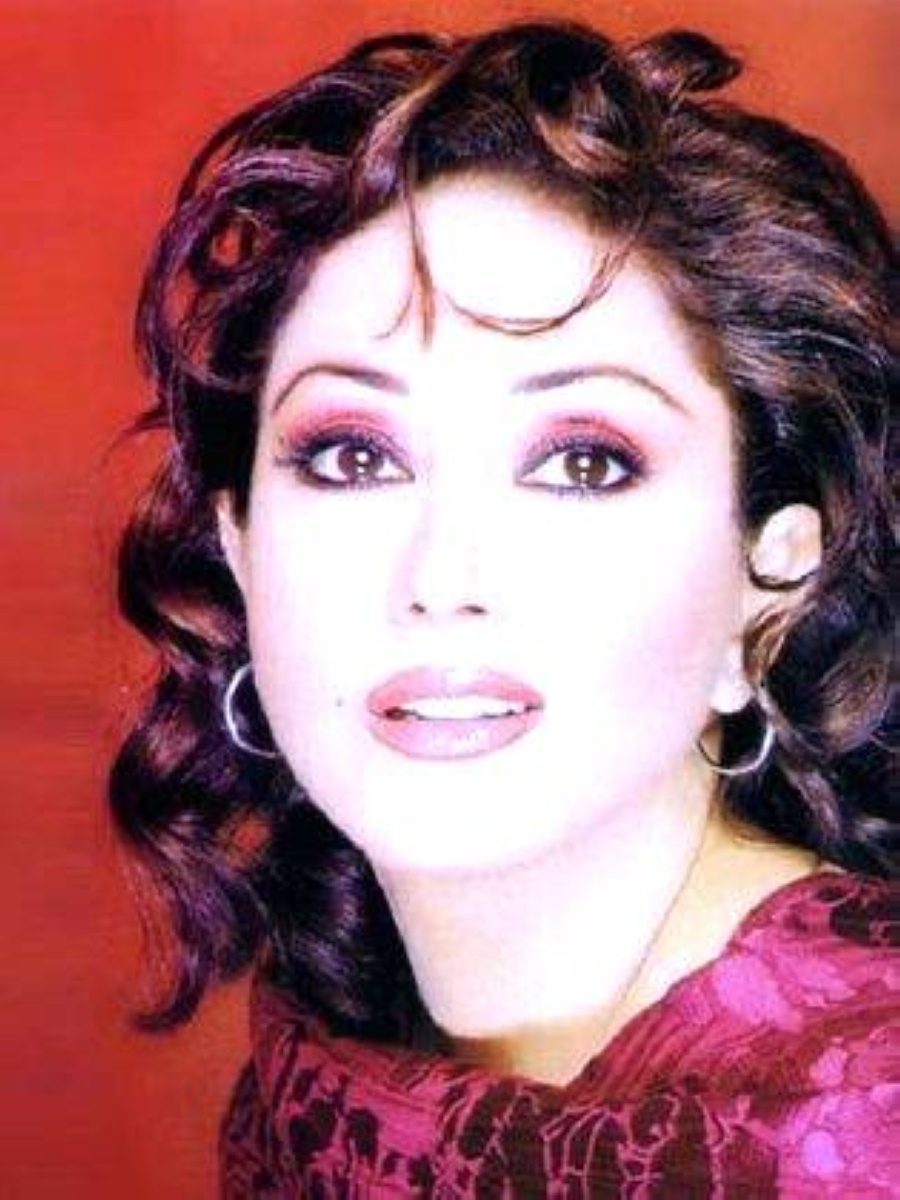
رجاء بلمليح


تابع قناة عكاظ على الواتساب
«عكاظ» (جدة) OKAZ_online@
In the memory of her passing, the name Raja Belmlih emerges as a bright page in the history of modern Arabic singing. She departed in 2007, in the spring of her life, but left an impact that transcends the limits of her short life, an impact that testifies that art can grant its owner immortality that precedes any measure of time. She was not just a passing artist in the scene; she was one of the names that broke barriers and carried the voice of Morocco to find its place in the vast space of Gulf singing.
Since her debut through the "City Lights" competition in the 1980s, she appeared different, carrying a blend of delicacy and strength, carving her path amidst the challenges of the Arab artistic scene. She presented timeless works such as "Sabri Aleik Tal" and "Ya Ghaib" and "I'tiraf," proving that her voice could dwell in the hearts of people in the East as well as in the Gulf. With this presence, she competed with major names, most notably Samira Said, yet she maintained her unique imprint, becoming known as the authentic Moroccan Gulf voice.
Her career was not only artistic; she was awarded the title of "Goodwill Ambassador" by UNICEF in 1999, embodying the image of an artist committed to her community's issues and supportive of women and education. And when she was physically absent, her voice and works remained a testament to an icon who sang with sincerity and left her smile on the hearts of Arabs before being taken away by early departure.
Raja Belmlih's experience was a turning point in adapting the Moroccan voice to Gulf music; she possessed the ability to grasp the musical modes used in this genre and re-presented them with a rare fluidity that made them familiar to the Gulf ear without losing their original identity. This ability to blend authenticity and modernity granted her a special place among the audience of the East and redefined the image of the Moroccan artist in the Gulf arena.
She also distinguished herself with an artistic awareness in choosing her lyrical texts, being keen on words that carry poetic value, which made her songs live beyond their time. This textual awareness was accompanied by her collaboration with major composers who were able to highlight her broad vocal range and reveal her capabilities in both emotional and artistic performance.
On the level of artistic presence, she represented a school in performance based on technical simplicity and mastery of musical modes, far from exaggeration in vocal embellishment or display. She knew when to allow the mode its space and when to tighten the musical phrase with a rigor that made it precise, which earned her the respect of critics who saw in her a voice that possessed a solid artistic project, not just a fleeting success.
Thus, Raja Belmlih remains a part of the memory of Arabic singing, a model of a Moroccan artist who succeeded in opening a door for voices coming from Morocco to the Gulf, and presenting a musical experience that is still read as one of the chapters of artistic flourishing in the Arab world at the end of the twentieth century.
Since her debut through the "City Lights" competition in the 1980s, she appeared different, carrying a blend of delicacy and strength, carving her path amidst the challenges of the Arab artistic scene. She presented timeless works such as "Sabri Aleik Tal" and "Ya Ghaib" and "I'tiraf," proving that her voice could dwell in the hearts of people in the East as well as in the Gulf. With this presence, she competed with major names, most notably Samira Said, yet she maintained her unique imprint, becoming known as the authentic Moroccan Gulf voice.
Her career was not only artistic; she was awarded the title of "Goodwill Ambassador" by UNICEF in 1999, embodying the image of an artist committed to her community's issues and supportive of women and education. And when she was physically absent, her voice and works remained a testament to an icon who sang with sincerity and left her smile on the hearts of Arabs before being taken away by early departure.
Raja Belmlih's experience was a turning point in adapting the Moroccan voice to Gulf music; she possessed the ability to grasp the musical modes used in this genre and re-presented them with a rare fluidity that made them familiar to the Gulf ear without losing their original identity. This ability to blend authenticity and modernity granted her a special place among the audience of the East and redefined the image of the Moroccan artist in the Gulf arena.
She also distinguished herself with an artistic awareness in choosing her lyrical texts, being keen on words that carry poetic value, which made her songs live beyond their time. This textual awareness was accompanied by her collaboration with major composers who were able to highlight her broad vocal range and reveal her capabilities in both emotional and artistic performance.
On the level of artistic presence, she represented a school in performance based on technical simplicity and mastery of musical modes, far from exaggeration in vocal embellishment or display. She knew when to allow the mode its space and when to tighten the musical phrase with a rigor that made it precise, which earned her the respect of critics who saw in her a voice that possessed a solid artistic project, not just a fleeting success.
Thus, Raja Belmlih remains a part of the memory of Arabic singing, a model of a Moroccan artist who succeeded in opening a door for voices coming from Morocco to the Gulf, and presenting a musical experience that is still read as one of the chapters of artistic flourishing in the Arab world at the end of the twentieth century.


