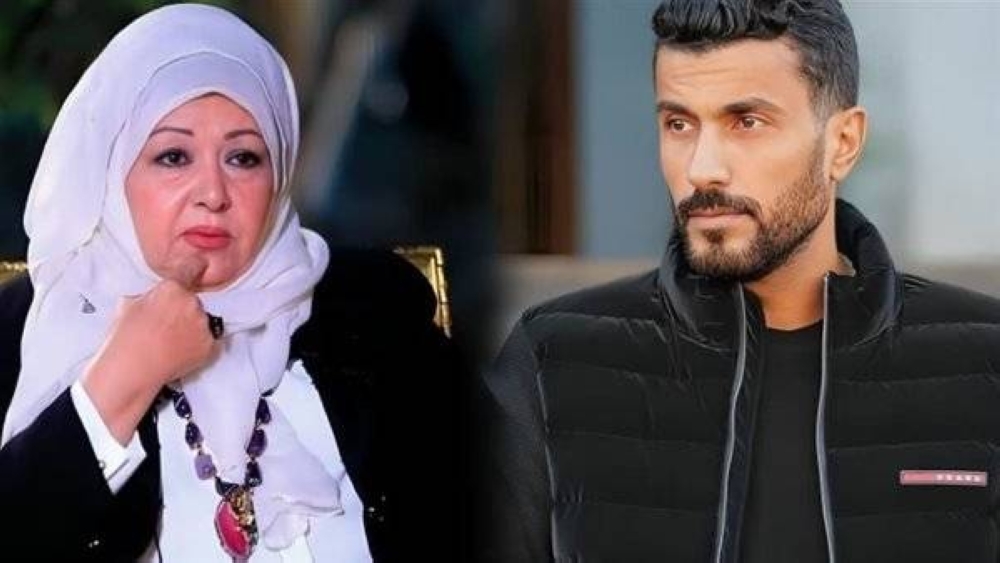
برأت محكمة مستأنف أكتوبر في مصر المخرج محمد سامي من تهمة سب وقذف الفنانة عفاف شعيب والتشهير بها خلال ظهوره في أحد البرامج التلفزيونية في فبراير الماضي.
وقضت المحكمة بقبول استئناف سامي على الحكم الصادر ضده بتغريمه 5 آلاف جنيه، بعد إدانته في القضية بسبب تصريحات اتهم فيها الفنانة بادعاءات اعتبرتها النيابة العامة مسيئة إلى شرفها واعتبارها، ونشبت الخلافات بين الطرفين في أثناء مشاركتهما في تصوير مسلسل مشترك.
وذكرت المحكمة في حيثيات حكم البراءة أنها رأت عدم ارتكاب المتهم للواقعة لعدم توافر أركان الجريمة في حقه، وأن العبارات التي نسبت إليه كانت في إطار الحديث مع المحاور في اللقاء التلفزيوني.
ورأت المحكمة أن العبارات التي قالها المتهم لم تتضمن وقائع قذف أو إساءة تستوجب العقاب، بل تندرج تحت إطار الدفاع عن موقفه الشخصي إزاء خلاف مهني نشأ أثناء تنفيذ مشروع فني مشترك، مؤكدة أن ما بدر من المتهم كان رداً مباشراً على اتهامات سابقة وجهتها له المجني عليها.
وأشارت إلى أن العبارات الواردة في حلقة أخرى «لا تعد سوى مجرد سرد للأحداث على ما أثير بشأن الخلاف بينه وبين المجني عليها ولم يشمل الحوار إسناد وقائع معينة تعد قذفاً معاقباً عليه، وأن القصد منه لم يكن إلا لتوضيح موقفه من وجهة نظره للجمهور لا التشهير للنيل من المجني عليها».
وأضافت المحكمة: «المتهم لم يقم بسب أو إهانة الفنانة المصرية، بل أكد خلال حديثه احترامه لها، ما ينفي القصد الجنائي لدى المتهم، وبذلك ينتفي أحد أركان الجريمة، وهو ما تقضي معه المحكمة بإلغاء الحكم المستأنف والقضاء ببراءة المتهم».
The Court of Appeals in October, Egypt, acquitted director Mohamed Sami of the charges of defaming and slandering artist Afaf Shoaib and tarnishing her reputation during his appearance on a television program last February.
The court ruled to accept Sami's appeal against the judgment issued against him, which imposed a fine of 5,000 Egyptian pounds after he was convicted in the case due to statements in which he accused the artist of allegations that the public prosecution deemed offensive to her honor and reputation. The disputes between the two parties arose during their participation in filming a joint series.
The court stated in the grounds for the acquittal that it found no evidence of the accused committing the act due to the lack of elements of the crime against him, and that the phrases attributed to him were part of the conversation with the interviewer during the television interview.
The court noted that the statements made by the accused did not include acts of slander or insults that would warrant punishment, but rather fell under the framework of defending his personal position regarding a professional dispute that arose during the execution of a joint artistic project, emphasizing that what the accused said was a direct response to previous accusations made against him by the victim.
It pointed out that the phrases mentioned in another episode "are merely a recounting of events regarding the dispute between him and the victim and did not include the attribution of specific facts that would be considered punishable slander, and that the intent was only to clarify his position from his perspective to the public, not to defame the victim."
The court added: "The accused did not insult or offend the Egyptian artist, but rather confirmed during his talk his respect for her, which negates the criminal intent of the accused, thus eliminating one of the elements of the crime, and the court therefore rules to annul the appealed judgment and acquit the accused."