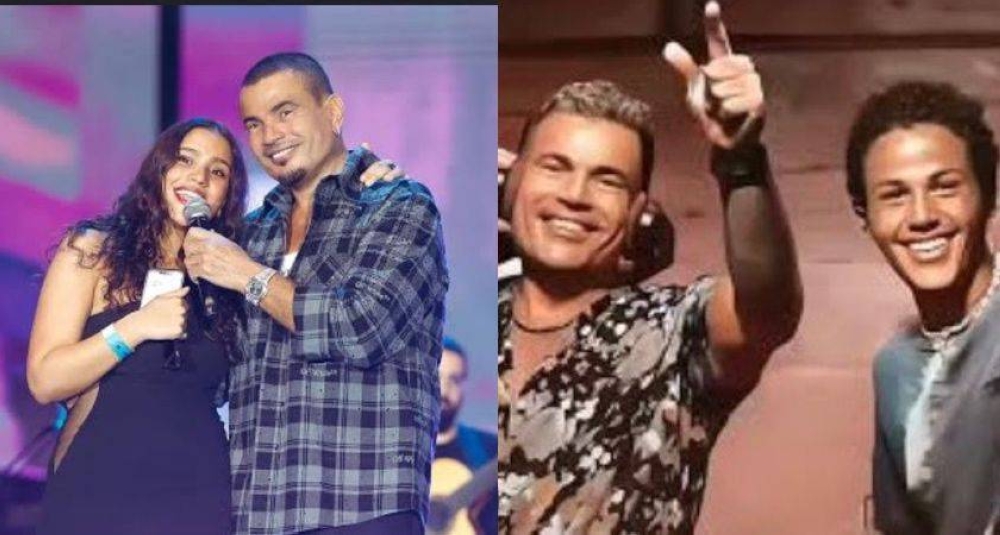
في مفاجأة فنية لافتة، شارك أبناء الفنان عمرو دياب، جنا وعبدالله، والدهما الغناء في ألبومه الجديد «ابتدينا»، الذي طُرح أخيراً عبر منصات التواصل الاجتماعي ولاقى تفاعلاً واسعاً بين الجمهور.
وقدّمت جنا دياب "ديو غنائي" مع والدها في أغنية «خطفوني»، من كلمات تامر حسين وألحان عمرو مصطفى، بينما شارك عبدالله دياب في أغنية «يالا» من كلمات تامر حسين وألحان عزيز الشافعي.
ويضم ألبوم «ابتدينا» 15 أغنية متنوعة منها: خطفوني، هلونهم، يالا، ماليش بديل، دايماً فاكر، يا بخته، إشارات، خبر أبيض، ماتقلقش، قفلتي اللعبة، بابا، حبيبتي ملاك، شايف قمر، وارجعلها، حيث يُظهر عمرو دياب من خلالها تجديداً موسيقياً يجمع بين الأصالة والحداثة.
وتعاون «الهضبة» في الألبوم مع نخبة من أبرز صناع الموسيقى في الوطن العربي، من بينهم: تامر حسين، عزيز الشافعي، عمرو مصطفى (في عودة فنية بعد غياب)، بهاء الدين محمد، منة عدلي القيعي، أيمن بهجت قمر، وأحمد إبراهيم.
ويُعد الألبوم خطوة جديدة في مسيرة عمرو دياب، ليس فقط من حيث الألحان والأسلوب الموسيقي، بل أيضاً من خلال تقديم أبنائه للجمهور كمشاركين في العمل، ما أضفى بُعداً إنسانياً وفنياً خاصاً على التجربة.
In a striking artistic surprise, the children of artist Amr Diab, Jana and Abdullah, participated in singing with their father in his new album "Ibtadaina," which was recently released on social media platforms and received widespread interaction from the audience.
Jana Diab presented a "duet" with her father in the song "Khatfouni," with lyrics by Tamer Hussein and music by Amr Mustafa, while Abdullah Diab participated in the song "Yalla," with lyrics by Tamer Hussein and music by Aziz El Shafie.
The album "Ibtadaina" includes 15 diverse songs, including: Khatfouni, Halonhom, Yalla, Malish Bdeel, Dayman Faker, Ya Bakhta, Isharat, Khabar Abyad, Matla'lesh, Qafleti El Le'ba, Baba, Habibti Malak, Shayef Amar, and Warg'aliha, showcasing Amr Diab's musical renewal that blends authenticity and modernity.
The "Hedba" collaborated in the album with a selection of the most prominent music producers in the Arab world, including: Tamer Hussein, Aziz El Shafie, Amr Mustafa (in a musical return after an absence), Bahaa El Din Mohamed, Mona Adly El Qai'i, Ayman Bahgat Qamar, and Ahmed Ibrahim.
The album represents a new step in Amr Diab's career, not only in terms of melodies and musical style but also by introducing his children to the audience as participants in the work, which added a special human and artistic dimension to the experience.