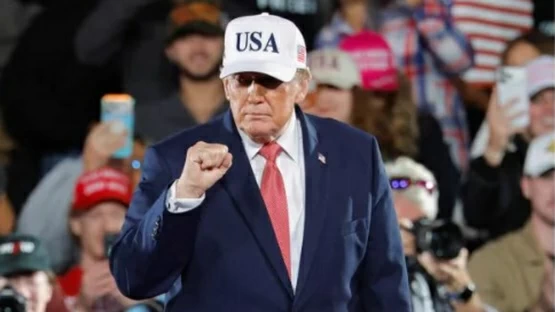
لم تنتهِ جبهات الصراع بين دونالد ترمب وعالم الموسيقى عند حدود الاعتراضات العابرة، إذ وجد الرئيس الأمريكي نفسه أمام معركة قضائية جديدة تكلفتها 10 ملايين دولار، أطلق شرارتها المغني الكندي الشهير نيل يونغ بعد أن قرر العودة إلى ساحات القضاء.
تعود تفاصيل القصة إلى تورط اللجنة السياسية التابعة لترمب في إعادة تدوير وبث أغنية يونغ الأيقونية «Rockin’ in the Free World» الصادرة عام 1989، وذلك خلال تجمعات انتخابية حاشدة دون الحصول على أي تصريح قانوني مسبق. لكن هذا الاستخدام أثار حفيظة المطرب المخضرم، خصوصاً أن الأغنية صُممت أصلاً لتكون صرخة مدوية ضد الفقر والتهميش والسياسات الرسمية، ما جعل زجّها في الدعاية السياسية إهانة لرسالتها وضرراً مباشراً بسمعته الفنية، بحسب فريقه القانوني.
ولم تكن هذه المرة الأولى، فقد سبق للنجم الكندي ولترمب أن خاضا نزالاً قانونياً مماثلاً انتهى بتسوية ودية عام 2020 تضمن حظر استخدام الأغنية نهائياً. غير أن نكث الاتفاق وتكرار التجربة دفع يونغ إلى طي صفحة التسويات والعودة إلى قاعات المحاكم بمطالب مالية ضخمة، لينضم بذلك إلى قائمة طويلة من نجوم الصف الأول (مثل: كأديل وسيلين ديون وريهانا) ممن رفضوا تماماً تحويل أعمالهم الموسيقية إلى ورقة دعاية في معارك ترمب السياسية.
The fronts of conflict between Donald Trump and the music world did not end at the level of fleeting objections, as the American president found himself facing a new legal battle costing $10 million, ignited by the famous Canadian singer Neil Young after he decided to return to the courts.
The details of the story date back to the involvement of Trump's political committee in recycling and broadcasting Young's iconic song "Rockin' in the Free World," released in 1989, during massive campaign rallies without obtaining any prior legal permission. However, this use provoked the veteran singer, especially since the song was originally designed to be a loud cry against poverty, marginalization, and official policies, which made its inclusion in political propaganda an insult to its message and a direct harm to his artistic reputation, according to his legal team.
This was not the first time, as the Canadian star and Trump had previously engaged in a similar legal battle that ended in an amicable settlement in 2020, which included a ban on the use of the song permanently. However, the breach of the agreement and the repetition of the experience led Young to close the chapter on settlements and return to the courts with massive financial demands, thus joining a long list of A-list stars (such as Adele, Celine Dion, and Rihanna) who completely rejected turning their musical works into a propaganda tool in Trump's political battles.