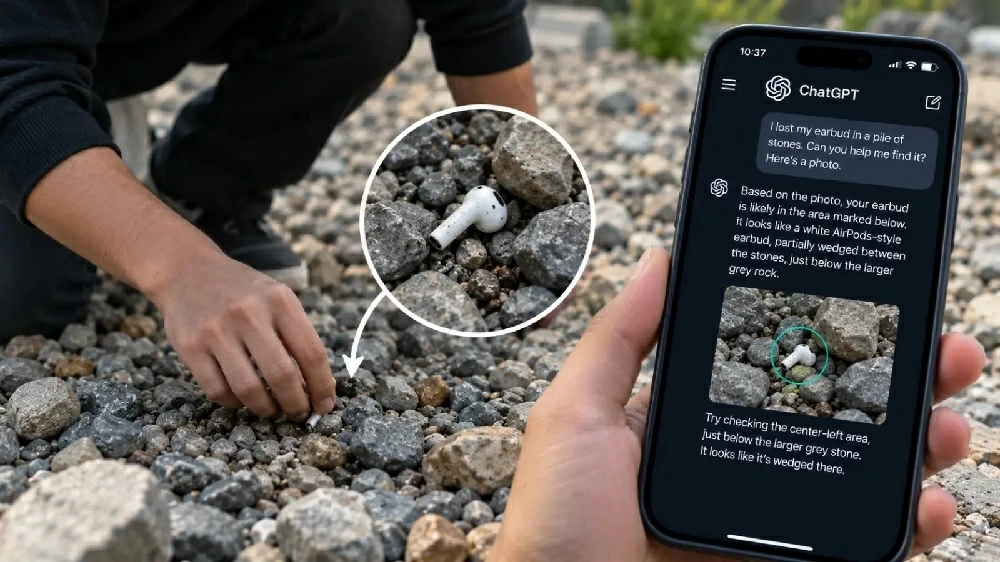
بين حبات الحصى المتشابهة كادت سماعة أذن صغيرة أن تختفي إلى الأبد، لكن الذكاء الاصطناعي كان له رأي آخر.
فقد نجح تطبيق (تشات جي بي تي) في مساعدة رجل على تحديد موقع سماعته البيضاء بعد أن فقدها في حديقة عامة أثناء مطاردته لابنه، حيث سقطت علبة السماعات من جيبه وتناثرت محتوياتها على أرضية مغطاة بالحصى فاتح اللون، ما جعل العثور عليها مهمة شديدة الصعوبة.
وبعد محاولات بحث استمرت نحو عشر دقائق من دون جدوى، لجأ الرجل إلى التقاط عدة صور للمكان ورفعها إلى التطبيق طالباً المساعدة. وبعد طلب صور أقرب وأكثر وضوحاً، تمكن النظام خلال أقل من دقيقة من تحديد الموقع التقريبي للسماعة بدقة لافتة.
وأثارت الواقعة تفاعلاً واسعاً عبر منصات التواصل الاجتماعي، حيث رأى كثيرون فيها مثالاً عملياً على القدرات المتنامية لتقنيات تحليل الصور واستخداماتها اليومية. وفي المقابل، أكد مختصون أن نجاح مثل هذه التجارب يعتمد على عوامل عدة، من بينها جودة الصورة والإضاءة ووضوح العنصر المطلوب داخل المشهد.
Among the similar pebbles, a small earbud was almost lost forever, but artificial intelligence had a different opinion.
The (ChatGPT) application successfully helped a man locate his white earbud after he lost it in a public park while chasing his son, where the earbud case fell out of his pocket and its contents scattered on a light-colored gravel floor, making it extremely difficult to find.
After about ten minutes of fruitless searching, the man resorted to taking several pictures of the area and uploading them to the application asking for help. After requesting closer and clearer images, the system was able to accurately determine the approximate location of the earbud in less than a minute.
The incident sparked widespread interaction across social media platforms, as many saw it as a practical example of the growing capabilities of image analysis technologies and their everyday uses. In contrast, specialists confirmed that the success of such experiments depends on several factors, including image quality, lighting, and the clarity of the desired element within the scene.