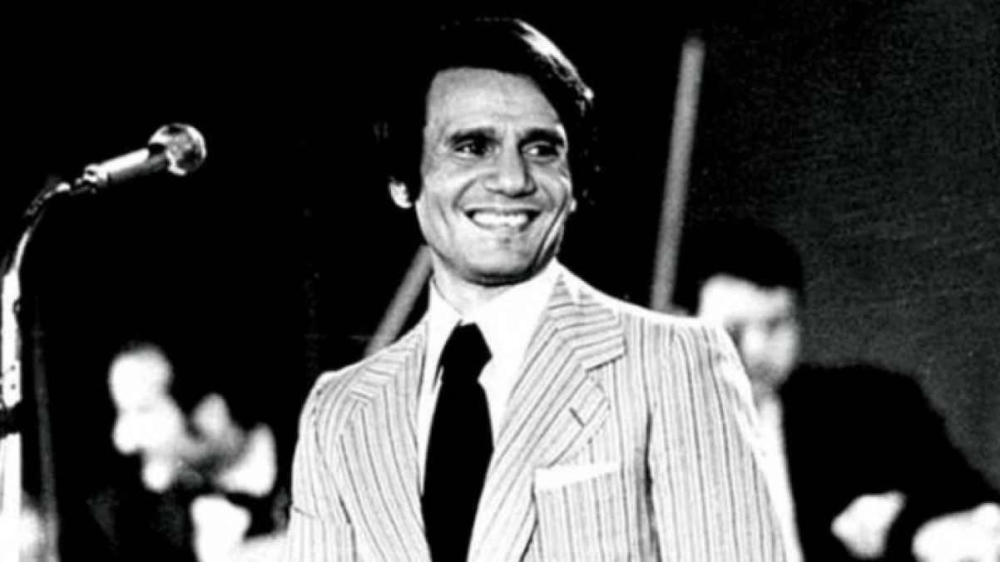
أصدرت محكمة مصرية حكمًا قضائيًا لورثة الفنان الراحل عبد الحليم حافظ، يُلزم الشركة المنتجة لإعلان «دقوا الشماسي»، الذي عُرض في رمضان الماضي، بدفع مبلغ 500 ألف جنيه مصري كتعويض عن الأضرار المادية والأدبية التي لحقت بعائلة العندليب الأسمر.
وقال محامي الأسرة المستشار ياسر قنطوش، ألزمت المحكمة الجهة المدعى عليها بدفع مبلغ التعويض كاملاً، مشيرًا إلى أن المبلغ سيتم توزيعه بين الورثة وفقًا لما تقرره الشريعة.
وأضاف القرار يعكس احترام القانون لحقوق الملكية الفكرية وعدم جواز استغلال الأعمال الفنية دون الرجوع إلى أصحاب الحقوق الأصليين أو ورثتهم الشرعيين.
الإعلان الذي أُنتجته إحدى الشركات الخاصة، ظهرت فيه الفنانة الشابة ملك الحسيني وهي تؤدي بصوتها أغنية «دقوا الشماسي»، ما أثار حينها موجة واسعة من التفاعلات على وسائل التواصل الاجتماعي. وتعرّض الإعلان لانتقادات لاذعة، خصوصًا بسبب أداء الأغنية بصيغة وُصفت بأنها لا تليق بمكانة الفنان عبد الحليم حافظ أو بأعماله الغنائية المعروفة.
وبث الإعلان على عدد من القنوات الفضائية رمضان الماضي، ولاقى انتشارًا واسعًا، غير أن عائلة عبد الحليم حافظ سارعت إلى اتخاذ الإجراءات القانونية فور عرضه، معتبرة أن الشركة تجاهلت حقوق الورثة وتعدّت على العمل الفني دون تصريح.
An Egyptian court has issued a ruling for the heirs of the late artist Abdel Halim Hafez, obliging the production company of the advertisement "Daqoo Al-Shamasi," which aired last Ramadan, to pay an amount of 500,000 Egyptian pounds as compensation for the material and moral damages incurred by the family of the dark nightingale.
The family's lawyer, Counselor Yasser Qantosh, stated that the court has obligated the defendant to pay the full amount of compensation, noting that the amount will be distributed among the heirs according to what is determined by Sharia.
He added that the decision reflects the law's respect for intellectual property rights and the prohibition of exploiting artistic works without referring to the original rights holders or their legal heirs.
The advertisement, produced by a private company, featured the young artist Malak Al-Husseini performing the song "Daqoo Al-Shamasi," which sparked a wide wave of reactions on social media at the time. The advertisement faced harsh criticism, especially due to the performance of the song in a manner described as unworthy of the status of artist Abdel Halim Hafez or his well-known musical works.
The advertisement was broadcast on several satellite channels last Ramadan and gained wide circulation; however, the family of Abdel Halim Hafez quickly took legal action upon its airing, considering that the company ignored the rights of the heirs and infringed upon the artistic work without permission.