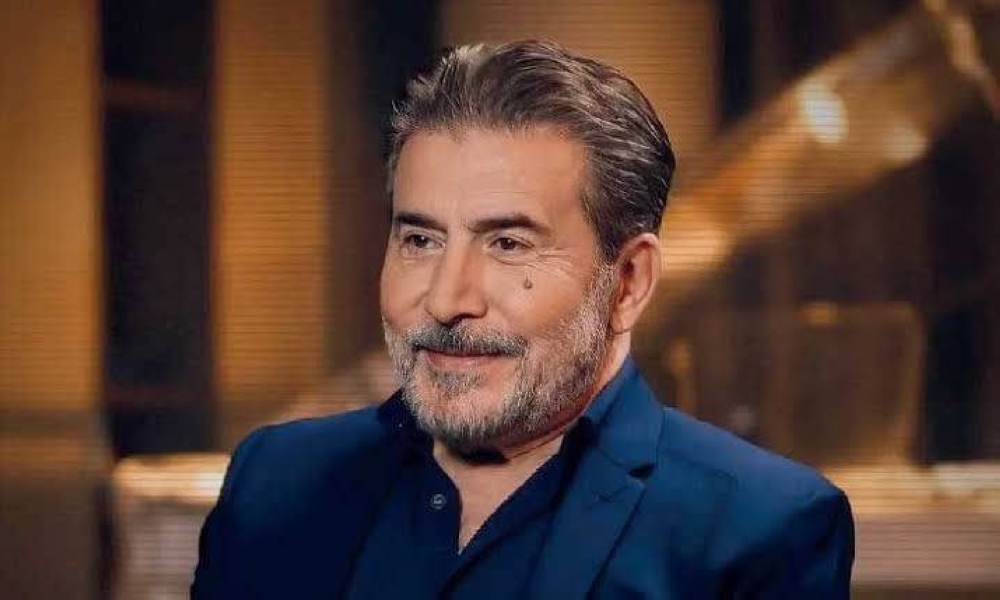
خرج الفنان السوري عابد فهد لحسم موقفه السياسي بعد تصريحاته التي أدلى بها أخيراً حول رفضه الأوضاع الحالية في سورية، ما فتح باب التأويلات والتفسيرات المختلفة وتعرض لموجة من الانتقادات عبر منصات التواصل الاجتماعي.
ونشر عابد توضيحاً عبر خاصية الستوري في «إنستغرام»، قال فيه: «القصد مما قلت في اللقاء هو التنبيه لعدم الوقوع في الطائفية، علينا أن نحافظ كسوريين على علاقتنا التاريخية كشعب واحد ضمن دولة واحدة».
وأضاف فهد: «كلمة العودة ليست أبداً دعوة للنظام السابق أن يعود على الإطلاق، نظام هرب وترك خلفه ركاماً من الخراب والتشرد، ترك شعباً مقهوراً ومظلوماً وتائهاً، سقوطه فتح باب الأمل أمام هذا البلد وشعبه، لكن الطائفية التي تهدد بالانتشار، الآن، كالسرطان، لا سبيل إلا محاربتها مبكراً وجذرياً، كلامي واضح، ولم أكن يوماً تابعاً لنظام أو سلطة، ولن أكون. أنا حر مثل سوريا الحرة، قبل التحرير وبعده أعمالي الفنية دليل على الرسالة التي أتبناها كإنسان وفنان»، وختم حديثه بالدعوة إلى السلام والمحبة: «أتمنى لكم المحبة كي تعيشوا ونعيش في سلام، شكراً لكم جميعاً، مهما كانت رسائلكم».
وتعود الأزمة عندما تحدث عابد فهد عن الأوضاع بسورية، قائلاً: «إن السوريين كلهم، بجميع أطيافهم وتكويناتهم، يرفضون هذا الواقع، الكل مستغربون ممّا يجري في سوريا، هناك إشارة استفهام كبيرة، من المسؤول، ومتى تعود سوريا مثلما كانت؟»، الأمر الذي عرضه لموجة كبيرة من الانتقادات لدى الجمهور في الوطن العربي.
The Syrian artist Abed Fahd has come forward to clarify his political stance following his recent statements regarding his rejection of the current situation in Syria, which opened the door for various interpretations and led to a wave of criticism on social media platforms.
Abed published a clarification via the story feature on Instagram, stating: "The intention behind what I said in the interview is to warn against falling into sectarianism. We, as Syrians, must maintain our historical relationship as one people within one state."
Fahd added: "The word 'return' is by no means a call for the previous regime to come back at all. A regime that fled and left behind a wreckage of destruction and displacement, leaving a crushed, wronged, and lost people. Its fall opened the door of hope for this country and its people, but the sectarianism that threatens to spread now, like cancer, must be fought early and fundamentally. My words are clear, and I have never been a follower of a regime or authority, nor will I be. I am free like a free Syria; before and after liberation, my artistic works are evidence of the message I embrace as a human and an artist," he concluded his remarks with a call for peace and love: "I wish you love so that you may live and we may live in peace. Thank you all, no matter what your messages are."
The crisis arose when Abed Fahd spoke about the situation in Syria, saying: "All Syrians, from all their spectra and formations, reject this reality. Everyone is astonished by what is happening in Syria; there is a big question mark: who is responsible, and when will Syria return to how it was?" This exposed him to a significant wave of criticism from the audience in the Arab world.