


برحيل الفنان محمد حمزة، طُويت صفحة من صفحات الدراما العربية التي كُتبت بصدق التجربة، وغُذِّيت بروح المثقف، وصِيغت بحسّ إنساني نادر. لم يكن حمزة فناناً اعتيادياً يظهر في دورٍ ويغيب في آخر، بل كان صوتاً متفرداً، يُشرف على النص كما لو كان يسرد فصلاً من حياته، ويقف خلف الكاميرا كما يقف أمامها، متمسكاً بجماليات الفن ومسؤولياته معاً.
في زمن كانت فيه الدراما الخليجية تبحث عن هُويّة، لمع اسمه ككاتب ومنتج وممثل، جمع بين أدوات الحرفة ووهج الرسالة. فصنع من أعماله بيوتاً مفتوحة على واقع الناس، ومنصات للتأمل في تفاصيلهم، وتقاطعات مصائرهم. وبينما كانت معظم أعماله تُعرض في مواسم المشاهدة الأعلى، لم تكن غايته النجومية أو الأرقام، بل التأثير، ذلك الذي لا يُقاس إلا بدمعة صادقة، أو لحظة صمت أمام الشاشة.
مسلسل «أصابع الزمن» (1982) شكّل لحظة تحول في الدراما السعودية، ليس فقط بوصفه من أوائل الأعمال التي تناولت المجتمع بلغة درامية مركبة، بل لأنه قدّم نموذجاً فنياً متكاملاً، شاركه فيه كوكبة من الممثلين العرب، إلى جانب نجليه وائل ولؤي محمد حمزة، اللذين ظهرا منذ تلك اللحظة كامتداد عضوي لروحه الفنية. لم يكونا مجرد «أبناء ممثل»، بل رافقاه كتفاً بكتف، وأدّيا أدوارهما بروح من عاش النص قبل أن يُمثله.
أما «ليلة هروب» (1989)، فكان من تلك الأعمال التي يصعب الحديث عنها دون استحضار صداها العاطفي. كتبه حمزة بلغة داخلية عميقة، ولامس من خلاله جرح الإنسان الخفي: الخوف، الندم، والرغبة في الخلاص. وقد كانت دموع الجمهور يوم عرضه أصدق شهادة على تأثيره.
ثم جاء «قصر فوق الرمال» (1992)، ليؤكد نزعة حمزة نحو الأعمال التي تناقش التحولات الاجتماعية والبشرية بجرأة وهدوء في آنٍ واحد. لم يعتمد على ضجيج الصراعات، بل على نبض التفاصيل، وعلى الشخصيات التي تتغير من الداخل، بصمت.
وفي أعمال لاحقة مثل «أين الطريق»، و«دموع الرجال»، ومروراً بمسلسلات تاريخية مثل «الزير سالم»، و«بعثة الشهداء»، و«جمال الدين الأفغاني» حافظ على توازنه بين التوثيق والتشويق، بين الرسالة والدراما.
كان محمد حمزة من أوائل من فهموا أن الدراما ليست فقط مرآة المجتمع، بل وسيلة للتأثير فيه، وتشكيل وعيه. كتب بشغف العارف، وأنتج بإيمان من يرى في الفن مشروعاً للنهضة، ومثّل بتجرد من يبحث عن الحقيقة، لا عن التصفيق.
وإن كان بعض المجد يُشترى، فإن مجد محمد حمزة، صُنع بعرق الفكرة، وبالانتصار المتكرر على محدودية الإمكانات في زمنٍ لم تكن فيه الدراما الخليجية إلا مشروعاً وليداً. واليوم، حين نعود إلى أرشيفه لا نعود إلى الحنين، بل إلى درسٍ فني وإنساني في الإخلاص، والبناء، والبقاء.
#وجوه_وسيرة
محمد حمزة.. رائد الدراما وصانع الحكاية والوجه الذي لن يُنسى
16 مايو 2025 - 01:34
|
آخر تحديث 16 مايو 2025 - 01:34
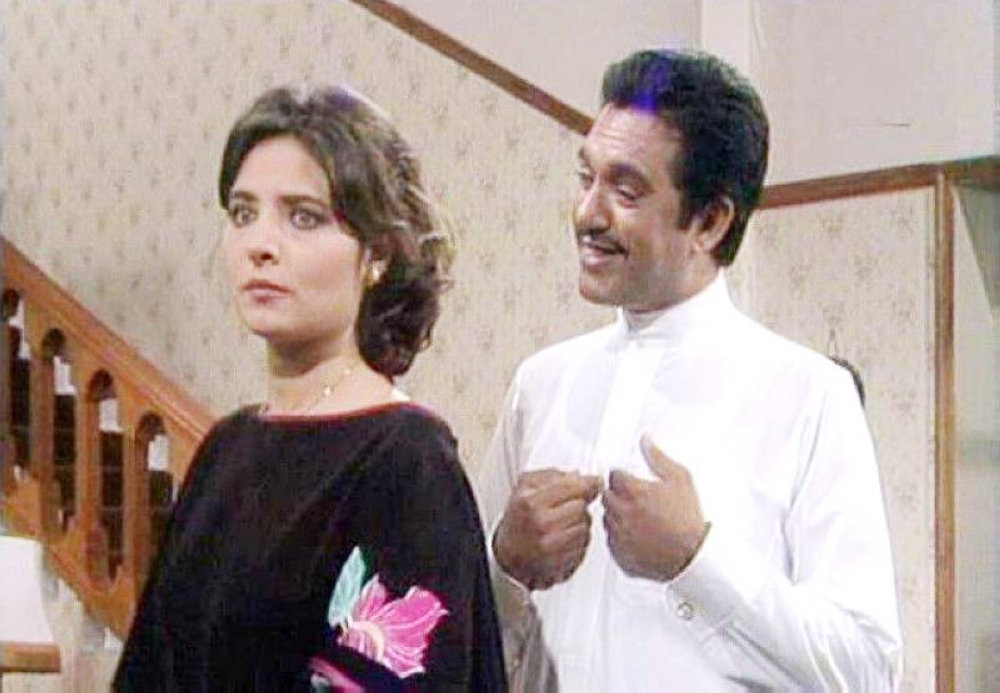
محمد حمزة في مسلسل أصابع الزمن أحد أشهر الأعمال العربية.


تابع قناة عكاظ على الواتساب
كتب: خالد الجارالله kjarallah@
With the departure of artist Mohammed Hamza, a chapter of Arabic drama that was written with the sincerity of experience, nourished by the spirit of the intellectual, and crafted with a rare human sensibility has been closed. Hamza was not an ordinary artist who appeared in one role and disappeared in another; rather, he was a unique voice, overseeing the script as if narrating a chapter of his life, standing behind the camera as he did in front of it, holding onto the aesthetics and responsibilities of art together.
In an era when Gulf drama was searching for identity, his name shone as a writer, producer, and actor, combining the tools of the craft with the brilliance of the message. He created from his works open houses to the reality of people, and platforms for reflection on their details and the intersections of their destinies. While most of his works were aired in the highest viewing seasons, his goal was not stardom or numbers, but impact, which can only be measured by a sincere tear or a moment of silence in front of the screen.
The series "Asabi' Al-Zaman" (1982) marked a turning point in Saudi drama, not only as one of the first works to address society in a complex dramatic language but also because it presented a complete artistic model, shared by a constellation of Arab actors, alongside his sons Wael and Louay Mohammed Hamza, who appeared from that moment as an organic extension of his artistic spirit. They were not just "the sons of an actor," but accompanied him shoulder to shoulder, performing their roles with the spirit of those who lived the text before representing it.
As for "Laylat Haroub" (1989), it was one of those works that is difficult to discuss without evoking its emotional resonance. Hamza wrote it in a deeply internal language, touching upon the hidden wounds of humanity: fear, regret, and the desire for salvation. The tears of the audience on the day of its airing were the truest testimony to its impact.
Then came "Qasr Fawq Al-Rimal" (1992), which confirmed Hamza's inclination towards works that discuss social and human transformations with both boldness and calmness. He did not rely on the noise of conflicts but on the pulse of details and on characters that change from within, silently.
In later works such as "Ayn Al-Tariq," "Dumu' Al-Rijal," and through historical series like "Al-Zeer Salem," "Mission of the Martyrs," and "Jamal Al-Din Al-Afghani," he maintained his balance between documentation and excitement, between message and drama.
Mohammed Hamza was one of the first to understand that drama is not just a mirror of society, but a means to influence it and shape its consciousness. He wrote with the passion of the knowledgeable, produced with the faith of one who sees art as a project for revival, and acted with the detachment of one who seeks the truth, not applause.
And while some glory can be bought, Mohammed Hamza's glory was forged by the sweat of ideas and the repeated triumph over limited resources in a time when Gulf drama was merely a nascent project. Today, when we return to his archive, we do not return to nostalgia, but to an artistic and human lesson in sincerity, construction, and endurance.
In an era when Gulf drama was searching for identity, his name shone as a writer, producer, and actor, combining the tools of the craft with the brilliance of the message. He created from his works open houses to the reality of people, and platforms for reflection on their details and the intersections of their destinies. While most of his works were aired in the highest viewing seasons, his goal was not stardom or numbers, but impact, which can only be measured by a sincere tear or a moment of silence in front of the screen.
The series "Asabi' Al-Zaman" (1982) marked a turning point in Saudi drama, not only as one of the first works to address society in a complex dramatic language but also because it presented a complete artistic model, shared by a constellation of Arab actors, alongside his sons Wael and Louay Mohammed Hamza, who appeared from that moment as an organic extension of his artistic spirit. They were not just "the sons of an actor," but accompanied him shoulder to shoulder, performing their roles with the spirit of those who lived the text before representing it.
As for "Laylat Haroub" (1989), it was one of those works that is difficult to discuss without evoking its emotional resonance. Hamza wrote it in a deeply internal language, touching upon the hidden wounds of humanity: fear, regret, and the desire for salvation. The tears of the audience on the day of its airing were the truest testimony to its impact.
Then came "Qasr Fawq Al-Rimal" (1992), which confirmed Hamza's inclination towards works that discuss social and human transformations with both boldness and calmness. He did not rely on the noise of conflicts but on the pulse of details and on characters that change from within, silently.
In later works such as "Ayn Al-Tariq," "Dumu' Al-Rijal," and through historical series like "Al-Zeer Salem," "Mission of the Martyrs," and "Jamal Al-Din Al-Afghani," he maintained his balance between documentation and excitement, between message and drama.
Mohammed Hamza was one of the first to understand that drama is not just a mirror of society, but a means to influence it and shape its consciousness. He wrote with the passion of the knowledgeable, produced with the faith of one who sees art as a project for revival, and acted with the detachment of one who seeks the truth, not applause.
And while some glory can be bought, Mohammed Hamza's glory was forged by the sweat of ideas and the repeated triumph over limited resources in a time when Gulf drama was merely a nascent project. Today, when we return to his archive, we do not return to nostalgia, but to an artistic and human lesson in sincerity, construction, and endurance.


