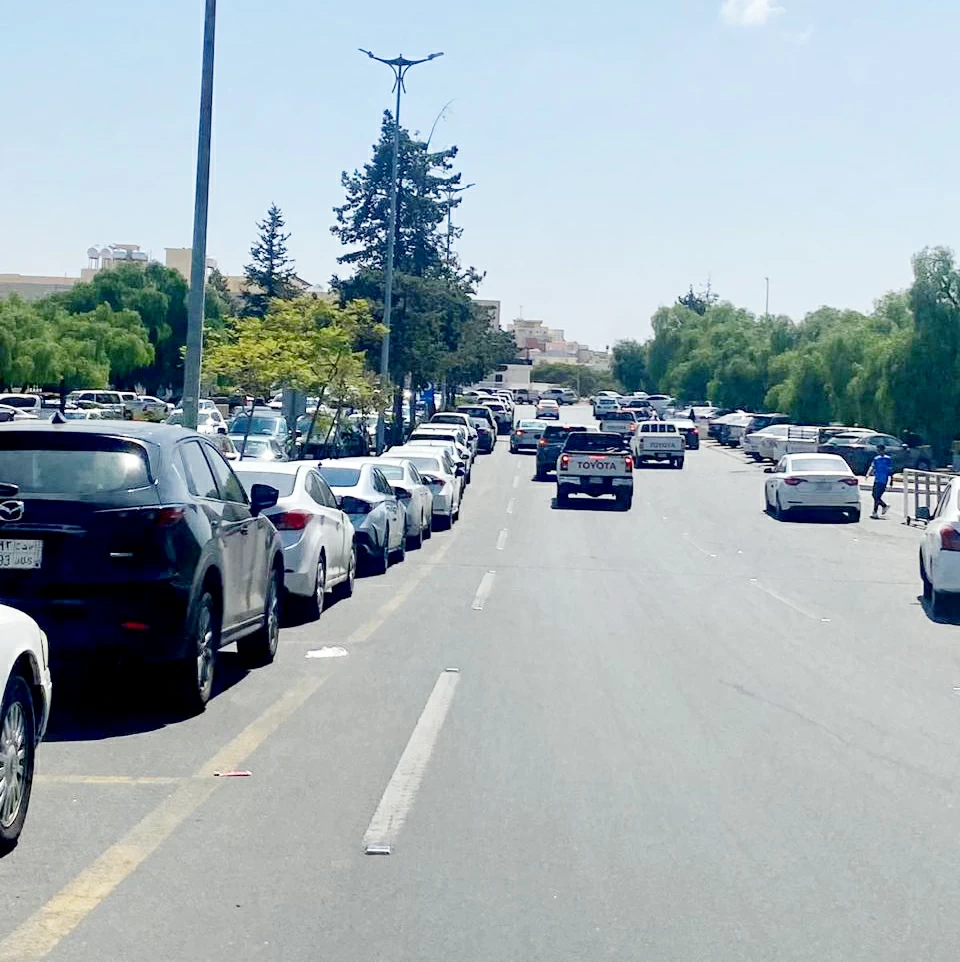
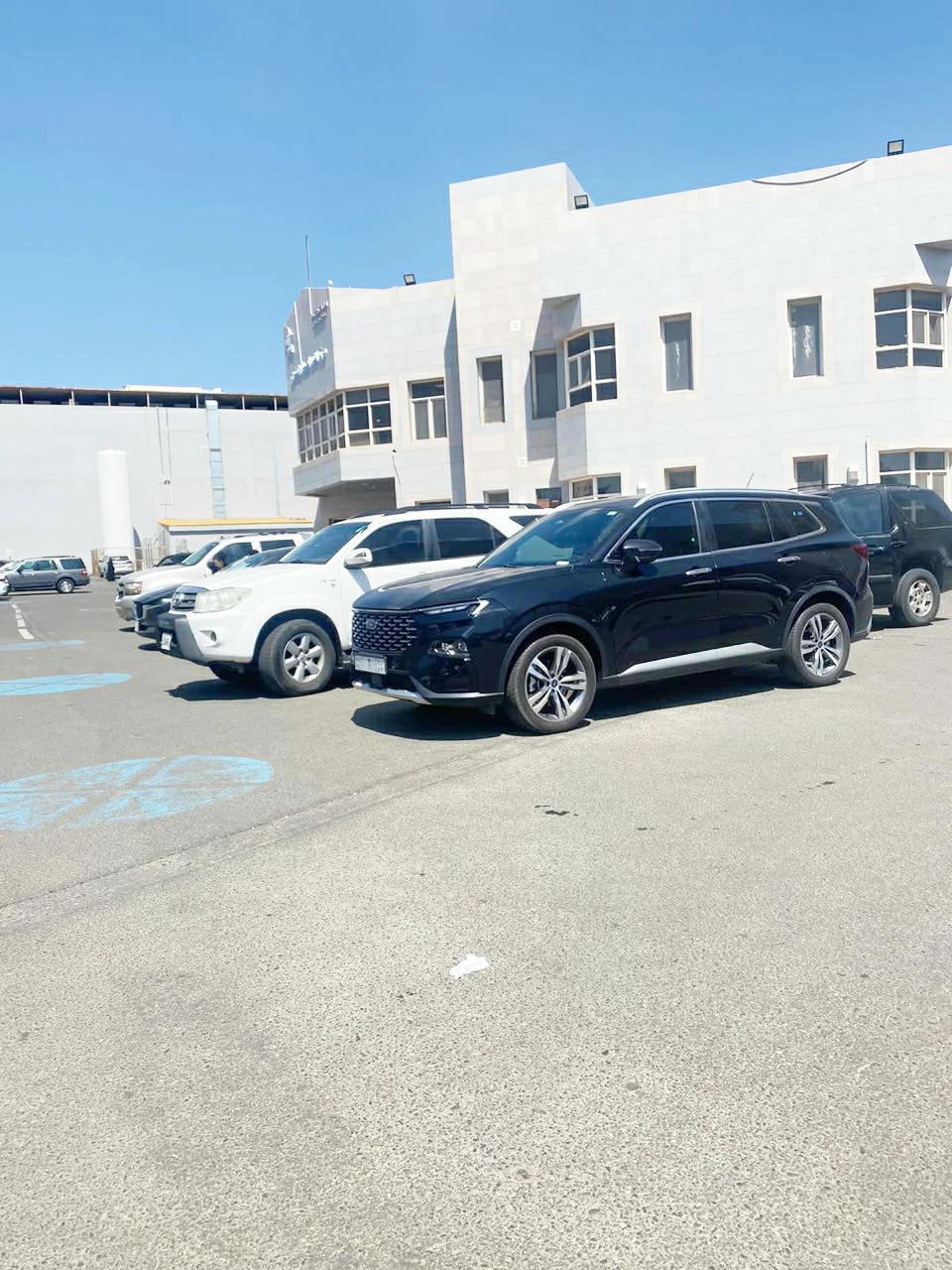
يواجه مرضى ومراجعو مركز طب الأسنان التخصصي ومركز الغدد الصماء والسكري في أبها، معاناة متزايدة لعدم كفاية مواقف السيارات داخل فناء المركزين، ما يضعهم أمام تحدٍ يومي، خصوصاً خلال أوقات الذروة التي تشهد توافد أعداد كبيرة من المرضى ومرافقيهم للحصول على الخدمات الصحية ومراجعة المواعيد الطبية.
وتتمثل المشكلة في اضطرار بعض المراجعين إلى الدوران داخل الموقع بحثاً عن موقف شاغر، أو الوقوف في مواقع بعيدة عن المداخل، الأمر الذي يضيف أعباءً إلى رحلتهم العلاجية، وقد يتسبب في تأخرهم عن مواعيدهم، بدلاً من الوصول إلى منشأة صحية توفر لهم بيئة مهيأة تسهّل حصولهم على الرعاية اللازمة.
معاناة يومية
وأوضح محمد البجادي لـ«عكاظ»، أن أهمية توفير مواقف مناسبة تتزايد في ظل طبيعة الخدمات التي يقدمها مركز طب الأسنان التخصصي ومركز الغدد الصماء والسكري، مشيراً إلى أن بعض المراجعين من كبار السن والأشخاص ذوي الإعاقة، أو ممن يحتاجون إلى مساعدة مرافقيهم للوصول إلى العيادات.
وأضاف، أن توفير مواقف كافية لا يُعد مجرد جانب تنظيمي أو خدمة إضافية، بل يمثل عنصراً مهماً في تسهيل الوصول إلى الرعاية الصحية، وتقليل المشقة على المرضى، وتحسين تجربتهم منذ لحظة وصولهم إلى المركز وحتى مغادرتهم.
وأشار إلى أن البحث المستمر عن موقف قد يزيد الازدحام داخل الفناء وفي محيط المركزين، ما يستدعي تنظيم حركة السيارات، وتحديد المسارات بوضوح، والمحافظة على الممرات المخصصة لوصول المرضى، وعدم إشغال المواقع التي ينبغي أن تظل متاحة للحالات التي تحتاج إلى وصول قريب وسريع.
حلول مقترحة
من جانبها، أكدت ريم القحطاني، أن معالجة نقص المواقف تتطلب إجراء دراسة ميدانية لحجم الإقبال على المركزين، وحصر المواقف المتاحة فعلياً، وتقييم مدى ملاءمتها لأعداد المراجعين، مع دراسة الحلول الممكنة للتخفيف من الازدحام.
وأوضحت، أن الحلول المقترحة تشمل إعادة تنظيم المواقف الحالية والاستفادة من المساحات المتاحة داخل الفناء، وتخصيص مواقف واضحة وقريبة للأشخاص ذوي الإعاقة، مع ضمان الالتزام باستخدامها وفق الأنظمة، إلى جانب توفير مواقع مناسبة لإنزال المرضى ومرافقيهم بالقرب من المداخل، دون إعاقة حركة المركبات.
وأضافت، أن الحلول تتطلب أيضاً دراسة إمكانية إنشاء مواقف إضافية أو الاستفادة من مواقع مجاورة بالتنسيق مع الجهات المعنية، وتحسين اللوحات الإرشادية، وتنظيم حركة الدخول والخروج، للحد من الازدحام والوقوف العشوائي.
مطالب بالتدخل
وطالب عيسى الربعي وعبدالله عسيري وناصر الحميدي، إلى جانب العديد من المراجعين، الجهات المسؤولة عن تشغيل المركزين وإدارة المرافق الصحية في أبها، بالوقوف ميدانياً على المشكلة والاستماع إلى ملاحظات المستفيدين، ووضع حلول عملية ومستدامة تتناسب مع أعداد المراجعين وحاجاتهم.
وأكدوا، أن هذه المعاناة اليومية تستدعي اهتماماً عاجلاً، لافتين إلى أن جودة الخدمات الصحية لا تقتصر على ما يُقدم داخل العيادات، بل تشمل أيضاً سهولة الوصول إلى المنشأة، وتوفر المواقف المناسبة، وتهيئة البيئة المحيطة بها بما يحفظ راحة المرضى والمراجعين ويسهّل حصولهم على الخدمات الصحية.
Patients and visitors at the Specialized Dental Center and the Endocrinology and Diabetes Center in Abha are facing increasing difficulties due to insufficient parking spaces within the premises of the two centers, which presents them with a daily challenge, especially during peak times when large numbers of patients and their companions arrive to access health services and attend medical appointments.
The problem lies in some visitors having to circle the area looking for an available parking spot or parking far from the entrances, which adds burdens to their treatment journey and may cause them to be late for their appointments, instead of arriving at a healthcare facility that provides them with a prepared environment that facilitates their access to the necessary care.
Daily Struggles
Mohammed Al-Bajadi explained to “Okaz” that the importance of providing suitable parking spaces increases given the nature of the services offered by the Specialized Dental Center and the Endocrinology and Diabetes Center, noting that some visitors are elderly, disabled individuals, or those who need assistance from their companions to reach the clinics.
He added that providing sufficient parking is not merely an organizational aspect or an additional service, but represents an important element in facilitating access to healthcare, reducing the burden on patients, and improving their experience from the moment they arrive at the center until they leave.
He pointed out that the continuous search for a parking spot may increase congestion within the courtyard and around the two centers, necessitating the organization of vehicle movement, clearly defining routes, and maintaining pathways designated for patient access, while ensuring that areas meant to remain available for cases requiring close and quick access are not occupied.
Proposed Solutions
For her part, Reem Al-Qahtani confirmed that addressing the parking shortage requires conducting a field study on the volume of traffic to the two centers, assessing the actual available parking spots, and evaluating their suitability for the number of visitors, along with exploring possible solutions to alleviate congestion.
She explained that the proposed solutions include reorganizing the current parking spaces and utilizing available areas within the courtyard, designating clear and close parking for individuals with disabilities, ensuring compliance with their use according to regulations, as well as providing suitable drop-off locations for patients and their companions near the entrances, without obstructing vehicle movement.
She added that the solutions also require studying the possibility of creating additional parking or utilizing adjacent sites in coordination with the relevant authorities, improving directional signage, and organizing entry and exit traffic to reduce congestion and random parking.
Calls for Intervention
Issa Al-Rubai, Abdullah Asiri, and Nasser Al-Humaidi, along with many other visitors, called on the authorities responsible for operating the two centers and managing health facilities in Abha to address the issue on-site, listen to the feedback from beneficiaries, and implement practical and sustainable solutions that match the number of visitors and their needs.
They emphasized that this daily struggle requires urgent attention, pointing out that the quality of health services is not limited to what is provided inside the clinics, but also includes ease of access to the facility, availability of suitable parking, and preparing the surrounding environment in a way that preserves the comfort of patients and visitors and facilitates their access to health services.