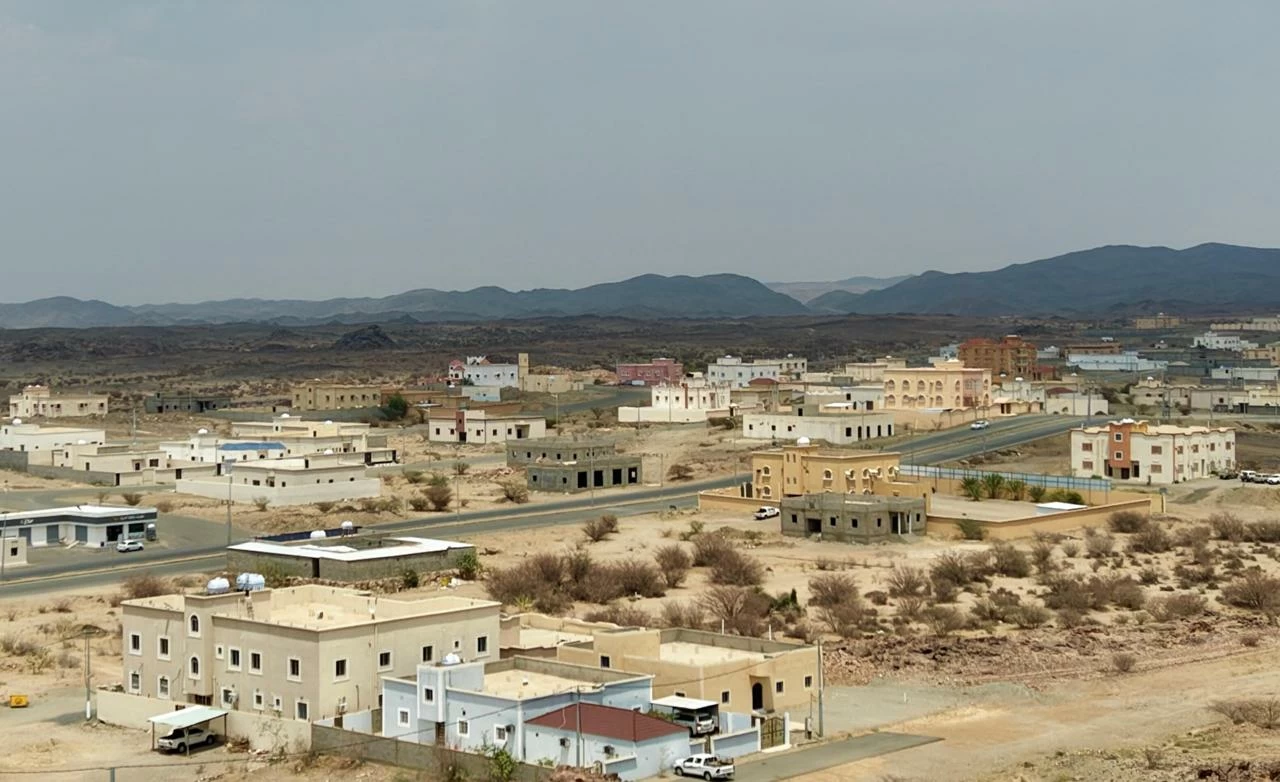
يضطر سكان مركز العبلاء، الواقع على بُعد نحو 100 كيلومتر غرب محافظة بيشة بمنطقة عسير، إلى قطع مسافات طويلة في كل مرة يحتاجون فيها إلى خدمات أساسية، في ظل نقص الخدمات الصحية والتعليمية وضعف شبكات الاتصالات والإنترنت، فضلًا عن غياب الحدائق العامة وملاهي الأطفال والمرافق التي تخدم الأهالي والشباب.
وأكد سكان المركز لـ«عكاظ»، أن بعده عن المدن والمراكز الرئيسية يضاعف معاناتهم، خصوصًا مع اعتماد الحياة اليومية بصورة متزايدة على الخدمات الإلكترونية في المجالات الحكومية والتعليمية والصحية والمصرفية، مطالبين الجهات المختصة بالعمل على توفير الخدمات الأساسية بما يتناسب مع النمو السكاني والعمراني الذي يشهده المركز.
برج واحد لا يغطي الاحتياج
وقال علي مساعد الأكلبي، إن ضعف شبكة الاتصالات من أبرز العوائق التي تواجه سكان العبلاء، وتنغص عليهم حياتهم وتحرمهم من إنجاز شؤونهم بسهولة، خصوصًا في ظل التحول الإلكتروني والاعتماد المتزايد على الإنترنت في مختلف المجالات.
وأوضح، أن المركز يعتمد على برج واحد لشركة الاتصالات السعودية، مشيرًا إلى كثرة أعطاله وعدم كفايته لتغطية احتياج المركز والقرى التابعة له، مطالبًا بتحسين خدمات الاتصالات والإنترنت وإنشاء أبراج إضافية، إلى جانب دخول شركات أخرى لتقديم الخدمة وتلبية الطلب المتزايد عليها. وأضاف أن ضعف الشبكة يدفع سكان المركز إلى الذهاب لمسافات بعيدة بحثًا عن تغطية أفضل، سواء لحضور دروس أبنائهم أو لإنجاز معاملاتهم الإلكترونية، داعيًا إلى توفير خدمة اتصالات وإنترنت موثوقة تتناسب مع احتياجات الأهالي.
ضعف شبكة الاتصالات
من جهته، قال عبدالله الأكلبي، إن غياب مدارس البنات بجميع مراحلها، إلى جانب غياب التعليم الثانوي للبنين والتعليم الجامعي، يشكل هاجسًا مستمرًا لسكان مركز العبلاء.
وأوضح، أن بناتهم يضطررن إلى الذهاب إلى مدارس خارج نطاق المركز لمواصلة التعليم، فيما يواجه طلاب المرحلة الثانوية للبنين المعاناة ذاتها، بينما يمثل التعليم الجامعي تحديًا أكبر، إذ يتطلب الانتقال إلى المدن أو القيام برحلات يومية طويلة تمتد لساعات.
وأشار إلى أن بعض الأهالي حاولوا الاستفادة من التعليم عن بُعد، إلا أن ضعف شبكة الاتصالات حال دون الاستفادة من هذا الخيار، مطالبًا بتوفير الخدمات التعليمية داخل المركز بما يخفف عن الأسر والطلاب مشقة التنقل.
المركز الصحي ضرورة
وقال سعد بن سعيد، إن غياب المركز الصحي من أبرز العوامل التي تؤرق سكان العبلاء الباحثين عن الخدمات الصحية، خصوصًا مرضى الأمراض المزمنة وكبار السن والأطفال والحوامل والحالات الطارئة. وأكد أن وجود مركز صحي يمثل ضرورة، لافتًا إلى أن سكان العبلاء يضطرون إلى قطع مسافات طويلة للحصول على الرعاية الصحية، مطالبًا بتوفير مركز صحي يقدم خدماته لجميع سكان المركز والقرى التابعة له.
وفي جانب آخر، أكد علي الأكلبي، حاجة مركز العبلاء إلى إنشاء حديقة عامة تكون متنفسًا للأهالي، ومحطة استراحة للمسافرين وزوار المركز، إلى جانب توفير ملاهي للأطفال ومساحات خضراء وملعب للشباب لممارسة هواياتهم وقضاء أوقات فراغهم فيما يعود عليهم بالنفع. وأضاف، أن مطالب الأهالي لا تقتصر على هذه الخدمات، بل تشمل توفير مختلف الاحتياجات الأساسية للمركز، الذي يشهد نموًا عمرانيًا ونشاطًا زراعيًا واسعًا، فضلًا عن مكانته التاريخية والاقتصادية ووجود أنشطة تعدين فيه. وأشار إلى تزايد أعداد السكان والزوار والمسافرين، مؤكدًا أن هذا النمو لم يواكبه توفير الخدمات الأساسية التي يحتاجها الأهالي، مطالبًا الجهات المعنية بالنظر في احتياجات المركز والعمل على تطوير خدماته بما يتناسب مع أهميته وموقعه.
The residents of Al-Abla Center, located about 100 kilometers west of Bisha Governorate in the Asir region, are forced to travel long distances every time they need basic services, amid a shortage of health and educational services, weak telecommunications and internet networks, as well as the absence of public parks, children's playgrounds, and facilities that serve the community and youth.
Residents of the center confirmed to "Okaz" that its distance from cities and main centers exacerbates their suffering, especially as daily life increasingly relies on electronic services in government, educational, health, and banking sectors. They are calling on the relevant authorities to work on providing basic services that match the population and urban growth witnessed by the center.
One tower does not meet the need
Ali Musaid Al-Aklabi stated that the weak telecommunications network is one of the main obstacles facing the residents of Al-Abla, disrupting their lives and preventing them from easily completing their affairs, especially in light of the electronic transformation and the increasing reliance on the internet in various fields.
He explained that the center relies on one tower from the Saudi Telecom Company, noting its frequent malfunctions and inadequacy to cover the needs of the center and its affiliated villages. He called for improving telecommunications and internet services and establishing additional towers, as well as allowing other companies to provide services to meet the growing demand. He added that the weak network forces residents to travel long distances in search of better coverage, whether to attend their children's lessons or to complete their electronic transactions, urging the provision of reliable telecommunications and internet services that meet the needs of the community.
Weak telecommunications network
For his part, Abdullah Al-Aklabi mentioned that the absence of girls' schools at all levels, along with the lack of secondary education for boys and higher education, is a constant concern for the residents of Al-Abla Center.
He explained that their daughters are forced to go to schools outside the center to continue their education, while male secondary school students face the same suffering. Higher education represents an even greater challenge, as it requires moving to cities or undertaking long daily trips that extend for hours.
He pointed out that some residents tried to benefit from distance education; however, the weak telecommunications network prevented them from taking advantage of this option, calling for the provision of educational services within the center to alleviate the burden of commuting on families and students.
A health center is a necessity
Saad bin Said stated that the absence of a health center is one of the main factors troubling the residents of Al-Abla who are seeking health services, especially for patients with chronic diseases, the elderly, children, pregnant women, and emergency cases. He emphasized that the existence of a health center is essential, noting that residents of Al-Abla are forced to travel long distances to obtain healthcare, calling for the establishment of a health center that provides services to all residents of the center and its affiliated villages.
In another aspect, Ali Al-Aklabi confirmed the need for Al-Abla Center to establish a public park to serve as a recreational area for residents, a rest stop for travelers and visitors to the center, as well as providing playgrounds for children, green spaces, and a field for youth to practice their hobbies and spend their leisure time in beneficial ways. He added that the residents' demands are not limited to these services but also include providing various basic needs for the center, which is witnessing urban growth and extensive agricultural activity, in addition to its historical and economic significance and the presence of mining activities. He pointed out the increasing number of residents, visitors, and travelers, emphasizing that this growth has not been matched by the provision of essential services needed by the community, calling on the concerned authorities to consider the needs of the center and work on developing its services in line with its importance and location.