تواصل بقايا أطعمة المنازل والمناسبات حضورها على أرصفة الشوارع وبجوار الحدائق في العاصمة المقدسة، تحت مبرر إطعام الطيور والقطط، في سلوك يبدو للوهلة الأولى رحيمًا، لكنه يخلف آثارًا بيئية وصحية، تبدأ بتشويه المشهد الحضري والروائح الكريهة، ولا تنتهي عند جذب الحشرات والقوارض واحتمال انتقال مسببات الأمراض.
ورصدت «عكاظ» الظاهرة في عدد من المواقع، حيث تُترك بقايا الأطعمة على الأرصفة وبين الأشجار وفي محيط الحدائق، دون مراعاة لطبيعة المكان أو الأضرار المترتبة على تراكم المخلفات، فيما يؤكد مختصون، أن إطعام الحيوانات لا يمثل مشكلة في حد ذاته، وإنما تكمن المشكلة في الطريقة والمكان.
200 موقع لبقايا الأطعمة
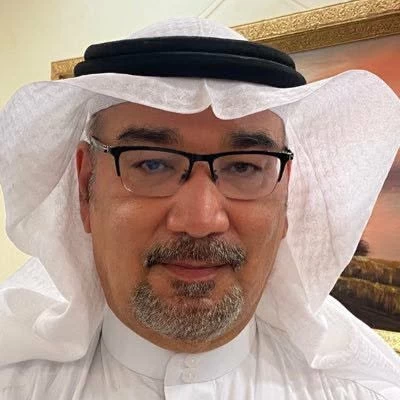
وأوضح سفير التوعية البيئية ومدير إدارة البيئة بالاتحاد العالمي الإسلامي للكشافة والشباب الدكتور فهد عبدالكريم تركستاني، أن رمي بقايا الأطعمة على الأرصفة والطرقات بحجة إطعام الطيور والحيوانات «سلوك غير مقبول بيئيًا»، رغم أن إطعام الحيوان في أصله عمل رحيم، مشيرًا إلى أن المشكلة تكمن في الطريقة والمكان.
وقال: إن بقايا الطعام تتحول إلى مصدر للروائح الكريهة والحشرات والقوارض، وتلوث الأرصفة وتشوه المشهد الحضري، وقد تسهم في انتقال مسببات الأمراض.
وأشار إلى أن أمانة العاصمة المقدسة رصدت الظاهرة ضمن مبادرة «لنجعل أرصفتنا أجمل»، التي رصدت أكثر من 200 موقع لبقايا الأطعمة على الأرصفة، ونفذت حملات توعوية للحد من إطعام الطيور والحيوانات عشوائيًا.
وأضاف، أن سكب الأطعمة في الأماكن العامة يُعد مخالفة، وتصل غرامتها إلى 1,000 ريال، وقد تتضاعف عند التكرار، مبينًا أن معالجة الظاهرة تبدأ من المنزل والمناسبات، من خلال تقدير كميات الطعام قبل إعدادها، وحفظ الفائض الصالح للاستهلاك وتوزيعه بطريقة منظمة، وفرز بقايا الطعام وتحويل القابل منها إلى سماد عضوي، ووضع غير الصالح في الحاويات المخصصة للنفايات.
وشدد تركستاني، على أن إطعام الطيور ينبغي أن يكون في مواقع مخصصة ونظيفة، وليس على الأرصفة والطرقات.
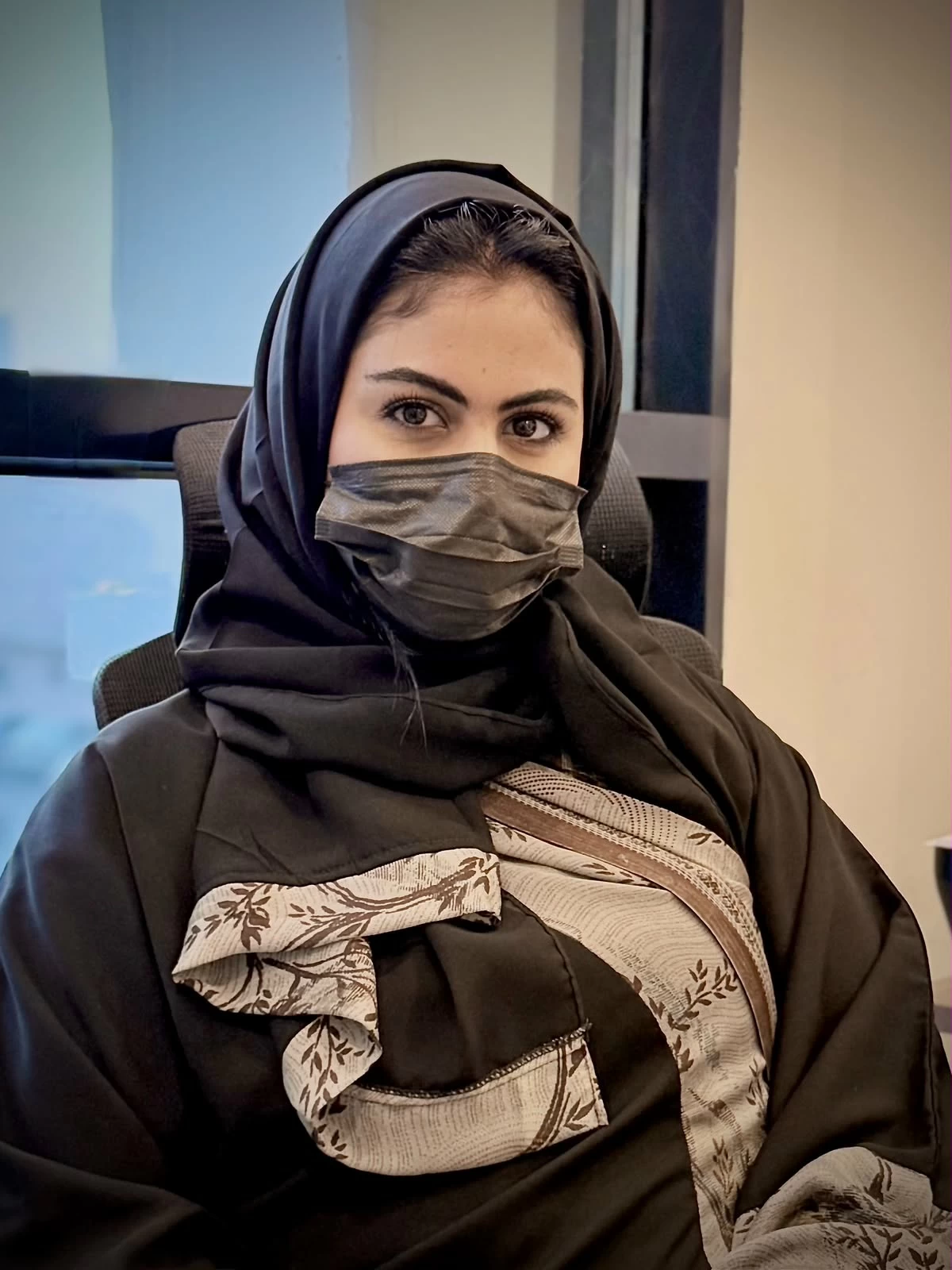
من جهتها، أوضحت رئيس مجلس إدارة جمعية رواد الزراعة التعاونية بمكة أبرار عبدالله الحريري، أن البعض قد يظن أن ترك بقايا الطعام في الحدائق أو الأرصفة لإطعام الطيور والحيوانات عمل رحيم، «لكن الرحمة حين تكون في غير مكانها قد تتحول إلى ضرر بيئي وصحي».
وبيّنت، أن رمي الأطعمة على التربة وبين الأشجار لا يقتصر أثره على تشويه منظر الحديقة، بل قد يجذب القوارض والحشرات والذباب، وينشر الروائح الكريهة، ويزيد احتمالية انتقال الملوثات ومسببات الأمراض إلى مرتادي الحدائق، خصوصًا الأطفال.
وأشارت إلى أن الغطاء النباتي قد يتضرر بصورة غير مباشرة؛ إذ يمكن لتراكم بقايا الطعام فوق التربة أن يغير خصائصها ويجذب كائنات غير مرغوبة، فيما قد تؤدي بعض الممارسات المصاحبة للرمي إلى إتلاف المسطحات الخضراء والأشجار والمرافق المحيطة بها.
وأكدت الحريري، أن من يرغب في إطعام الطيور عليه القيام بذلك بطريقة مسؤولة وفي الأماكن المخصصة، قائلة: «لا تجعل رحمتك سببًا في إزعاج الآخرين أو الإضرار بالبيئة»، مشددة على أن الوعي البيئي لا يبدأ من الجهات المسؤولة فقط، بل من سلوك كل فرد.
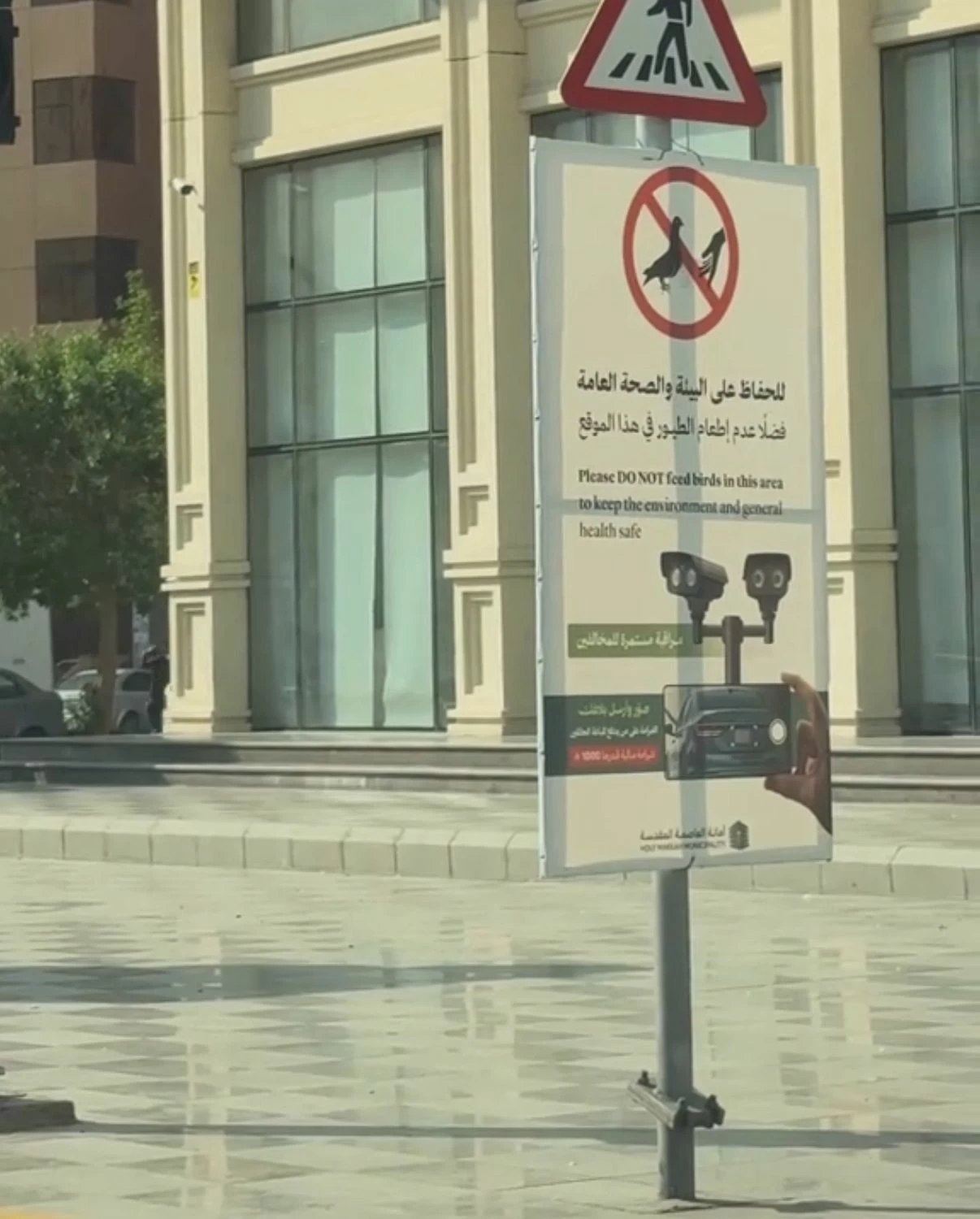
وكانت أمانة العاصمة المقدسة قد حذرت من إطعام الطيور عشوائيًا، ووضعت عددًا من اللوحات التحذيرية للتوعية بمخاطر هذه الممارسة، منوهة بأن الغرامة على المخالف تصل إلى 1,000 ريال.
The remnants of food from homes and events continue to appear on the sidewalks and next to parks in the holy capital, under the pretext of feeding birds and cats. This behavior seems, at first glance, compassionate, but it leaves environmental and health impacts, starting with distorting the urban landscape and unpleasant odors, and not ending with attracting insects and rodents and the potential transmission of pathogens.
“Okaz” monitored the phenomenon in several locations, where food remnants are left on sidewalks, between trees, and around parks, without consideration for the nature of the place or the damages resulting from the accumulation of waste. Specialists confirm that feeding animals is not a problem in itself; rather, the issue lies in the method and location.
200 Locations for Food Remnants
Dr. Fahd Abdulkarim Turkistani, the ambassador for environmental awareness and director of the environmental department at the World Islamic Scout Federation, explained that throwing food remnants on sidewalks and roads under the pretext of feeding birds and animals is “environmentally unacceptable behavior,” even though feeding animals is inherently a compassionate act. He pointed out that the problem lies in the method and location.
He stated that food remnants turn into a source of unpleasant odors, insects, and rodents, polluting sidewalks and distorting the urban scene, and may contribute to the transmission of pathogens.
He indicated that the municipality of the holy capital has monitored the phenomenon as part of the initiative “Let’s Make Our Sidewalks More Beautiful,” which identified more than 200 locations for food remnants on sidewalks and implemented awareness campaigns to reduce random feeding of birds and animals.
He added that pouring food in public places is considered a violation, with a fine of up to 1,000 riyals, which may double upon repetition, explaining that addressing the phenomenon starts from homes and events by estimating food quantities before preparation, preserving surplus food suitable for consumption, distributing it in an organized manner, sorting food remnants, converting the usable parts into organic compost, and placing the unusable parts in designated waste containers.
Turkistani emphasized that feeding birds should be done in designated and clean locations, not on sidewalks and roads.
For her part, Abrar Abdullah Al-Hariri, chairwoman of the Cooperative Agriculture Association in Mecca, explained that some may think that leaving food remnants in gardens or on sidewalks to feed birds and animals is a compassionate act, “but mercy, when misplaced, can turn into environmental and health harm.”
She clarified that throwing food on the soil and among trees does not only distort the garden's appearance but may also attract rodents, insects, and flies, spreading unpleasant odors and increasing the likelihood of contaminants and pathogens being transmitted to park visitors, especially children.
She pointed out that vegetation may be indirectly harmed; the accumulation of food remnants on the soil can change its properties and attract unwanted organisms, while some accompanying practices of throwing may damage green spaces, trees, and surrounding facilities.
Al-Hariri confirmed that those who wish to feed birds should do so responsibly and in designated areas, saying: “Do not let your compassion become a cause of annoyance to others or harm to the environment,” stressing that environmental awareness does not only start from responsible authorities but from the behavior of every individual.
The municipality of the holy capital had warned against random feeding of birds and placed several warning signs to raise awareness about the dangers of this practice, noting that the fine for violators can reach 1,000 riyals.