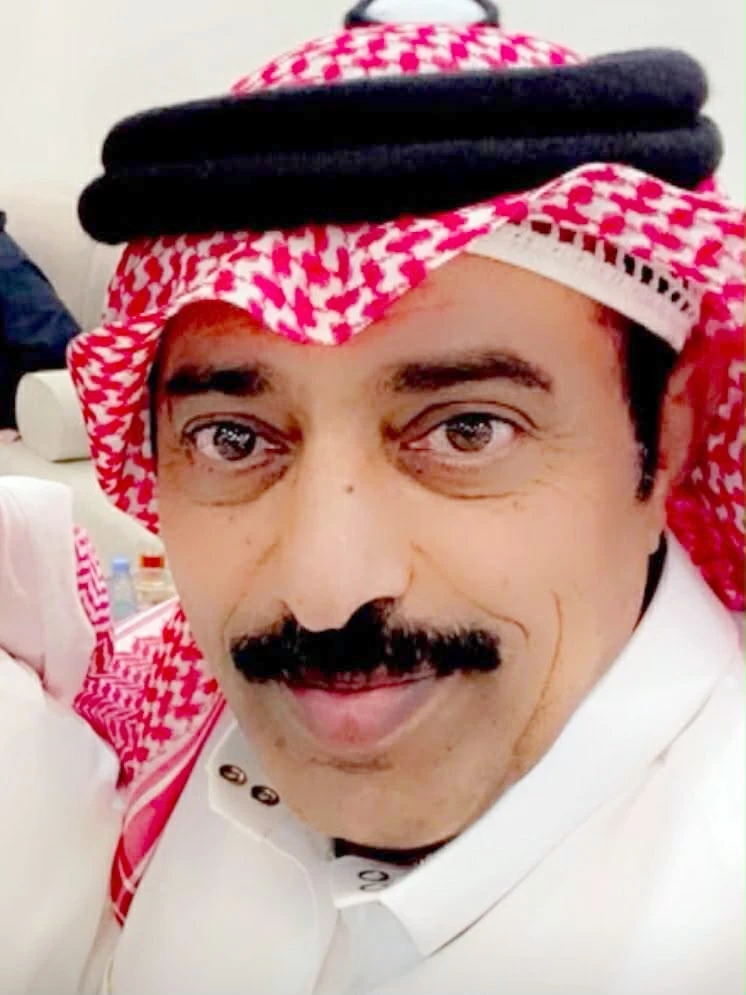
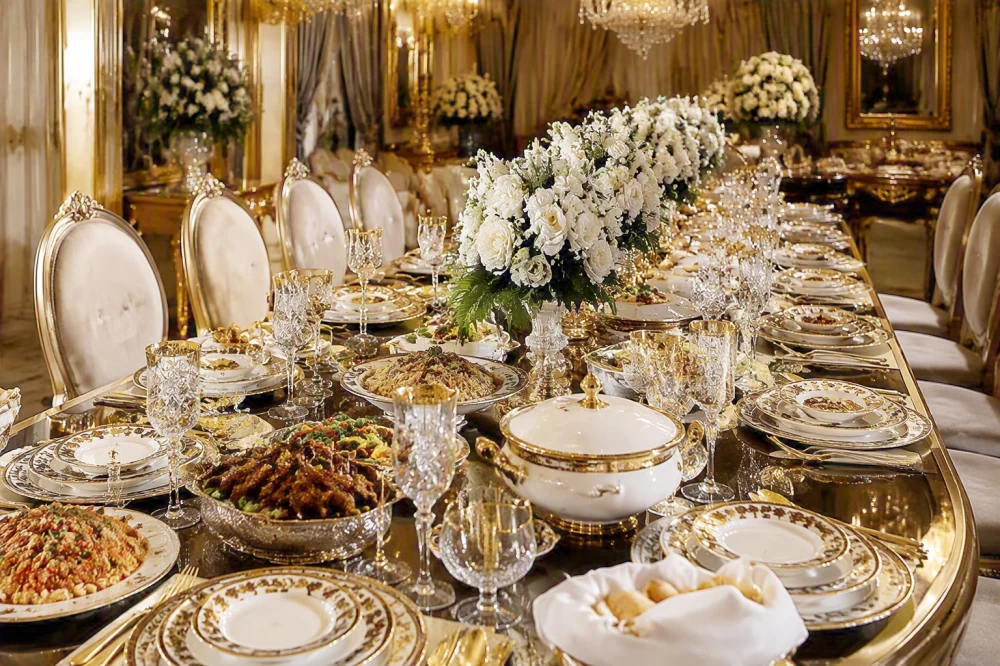
لا يزال عدد من مصوري «سناب شات» يتزاحمون في مناسبات اجتماعية مختلفة، لملاحقة الشخصيات وتصوير الموائد، قبل أن تتصدر شاشات حساباتهم صفة «إعلامي!»، ثم بث ما توثقه عدسات هواتفهم عبر وسائل التواصل الاجتماعي.
وأثار هذا المشهد المتكرر انتقادات في عدد من الأوساط المجتمعية، خصوصًا مع ما يراه منتقدون من عشوائية وفوضوية في التعامل مع المناسبات، وتغليب ملاحقة الشخصيات وتصوير الموائد على تقديم محتوى يبرز قيمة المناسبة والمكان، ويعرّف بالمقومات السياحية والتنموية والخدمات المقدمة للأهالي والزوار.
ويرى البعض، أن حضور هؤلاء المصورين في المناسبات يمكن أن يتجاوز توثيق الوجوه والموائد إلى إبراز ما تزخر به المناطق من إرث ثقافي ومواقع سياحية ومشاهد طبيعية، وتقديم محتوى أكثر ارتباطًا بالمكان وما يحمله من مقومات تستحق التعريف بها.
التسابق دون دعوة
ويرى المذيع السابق في التلفزيون السعودي عوض القحطاني، أن «عدسة السناب» أصبحت غاية وشغفاً لدى كثيرين ممن يبحثون عن الظهور، سواء بمقابل مادي أو هدايا عينية، مشيراً إلى أن بعض أصحاب عدسات الجوال يتسابقون للحضور في المناسبات، بدعوة أو من دونها، فيما هم بعيدون كل البعد عن الإعلام المهني الذي يخدم الزمان والمكان.
ويتساءل القحطاني، عن جدوى هذا الحضور، مؤكداً أن الأَولى استثمار وسائل التواصل الاجتماعي في إبراز المقومات السياحية والتنموية والخدمات المقدمة للأهالي والزوار، بدلاً من انشغال بعض المصورين بملاحقة الضيوف والتسابق على حضور مناسباتهم والتقاط صورهم.
وينتقد القحطاني، الصورة السلبية التي تبثها بعض الحسابات عن المناطق، معتبراً أن التركيز على الاستعراض والظهور لا يعكس واقعها الحقيقي، ولا يمثل إضافة يمكن أن تكون رافعة اجتماعية أو إعلامية.
من جانبه، يرى الكاتب علي العكاسي، أن مناطق المملكة تزخر بالإرث والقيم والفروسية، إلا أن البعض لا يلتفت إلى هذه المقومات، وينصرف بدلاً من ذلك إلى الموائد والاستعراضات وركوب موجة «الترندات»، في صورة تختزل المكان في مظاهر لا تعكس ما يملكه من مقومات حقيقية.
ويؤكد عبدالرحمن الشهري، أن السياحة تُبنى بالثقافة والتراث والإنسان، لا بالفلاشات والولائم، مشدداً على ضرورة استعادة هوية المكان من ضجيج الاستعراض الذي يطغى أحياناً عبر منصات التواصل الاجتماعي. ويرى، أن بعض ممارسات مصوري «السناب» ترتبط بالسعي للحصول على الدعوات وحضور المآدب، ثم تصوير المهتمين بالظهور، بدلاً من تقديم محتوى يعرّف بالمكان ويبرز عناصره السياحية والثقافية والتنموية، ويعكس ما يقدمه للأهالي والزوار.
حب الظهور والتباهي
ويصف الباحث عوض بن صليم، هذا النمط بأنه يمثل صورة جديدة من «عشاق الشهرة» الغارقين في حب الظهور والتباهي المبالغ فيه، موضحاً أن بعضهم يصنع صوراً براقة على وسائل التواصل الاجتماعي، بينما قد تخفي هذه الصورة - وفق رأيه - فراغاً نفسياً عميقاً، ويصبح تقدير الذات قائماً بصورة كبيرة على ردود أفعال الآخرين.
ويشير بن صليم، إلى أن غياب الإعجاب المستمر قد يقود لدى بعض هؤلاء إلى الشعور بالفراغ أو الغضب أو الاكتئاب، مؤكداً أن إبراز المقومات السياحية والتنموية والخدمات المتنوعة يبقى الأجدر والأميز لخدمة الإنسان والمكان.
ويؤكد فهد الشواطي، أن الأجدر بوسائل التواصل الاجتماعي التركيز على إبراز الجهود والمقومات السياحية والتنموية والخدمات المختلفة التي تقدمها الجهات المختصة في الميدان، خدمة للإنسان والمكان. ويشير إلى أن كثيراً من مصوري «السناب» لا يزالون يركزون على ملاحقة وتصوير الأثرياء وأصحاب المناصب والحرص على تصويرهم ومتابعتهم، متناسين أن الإنجاز هو الإعلان الحقيقي على أرض الواقع، وما عداه ضجيج يهدأ مع مرور الوقت.
A number of "Snapchat" photographers continue to crowd various social events, chasing after personalities and capturing images of tables, before their accounts are adorned with the title "Media Personality!" and broadcasting what their phone cameras document through social media.
This recurring scene has sparked criticism in several community circles, especially with what critics perceive as randomness and chaos in dealing with events, prioritizing the pursuit of personalities and photographing tables over presenting content that highlights the value of the occasion and the place, and introduces the tourism and development components and services provided to residents and visitors.
Some believe that the presence of these photographers at events could go beyond documenting faces and tables to showcasing the rich cultural heritage and tourist sites of the regions, and providing content more connected to the place and its components that deserve to be introduced.
Racing Without an Invitation
Former Saudi television presenter Awad Al-Qahtani believes that the "Snap camera" has become an obsession and passion for many seeking visibility, whether for financial compensation or material gifts, pointing out that some mobile camera owners race to attend events, with or without an invitation, while being far removed from the professional media that serves time and place.
Al-Qahtani questions the value of this presence, affirming that it would be better to invest social media in highlighting the tourism and development components and services provided to residents and visitors, instead of some photographers being preoccupied with chasing guests and racing to attend their events and capture their images.
He criticizes the negative image that some accounts project about the regions, considering that focusing on display and visibility does not reflect their true reality, nor does it represent an addition that could serve as a social or media uplift.
For his part, writer Ali Al-Akasi sees that the regions of the Kingdom are rich in heritage, values, and chivalry, yet some do not pay attention to these components, instead turning to tables, displays, and riding the wave of "trends," in a way that reduces the place to superficial appearances that do not reflect its real assets.
Abdulrahman Al-Shahri emphasizes that tourism is built on culture, heritage, and people, not on flashes and banquets, stressing the need to restore the identity of the place from the noise of displays that sometimes overshadow social media platforms. He believes that some practices of "Snap" photographers are linked to the pursuit of invitations and attending banquets, then photographing those interested in appearing, instead of providing content that introduces the place and highlights its tourism, cultural, and developmental elements, reflecting what it offers to residents and visitors.
The Love of Visibility and Show-off
Researcher Awad bin Saleem describes this trend as a new image of "fame lovers" who are deeply immersed in the love of visibility and exaggerated show-off, explaining that some create flashy images on social media, while this image may hide - in his opinion - a deep psychological void, and self-esteem becomes largely dependent on the reactions of others.
Bin Saleem points out that the absence of continuous admiration may lead some of these individuals to feel emptiness, anger, or depression, affirming that highlighting tourism, development components, and diverse services remains the most deserving and distinctive for serving both people and place.
Fahd Al-Shawati confirms that social media should focus on highlighting the efforts and tourism and development components and various services provided by the relevant authorities in the field, serving both people and place. He notes that many "Snap" photographers still focus on chasing and photographing the wealthy and those in positions of power, eager to capture and follow them, forgetting that achievement is the true announcement in reality, while everything else is noise that fades over time.