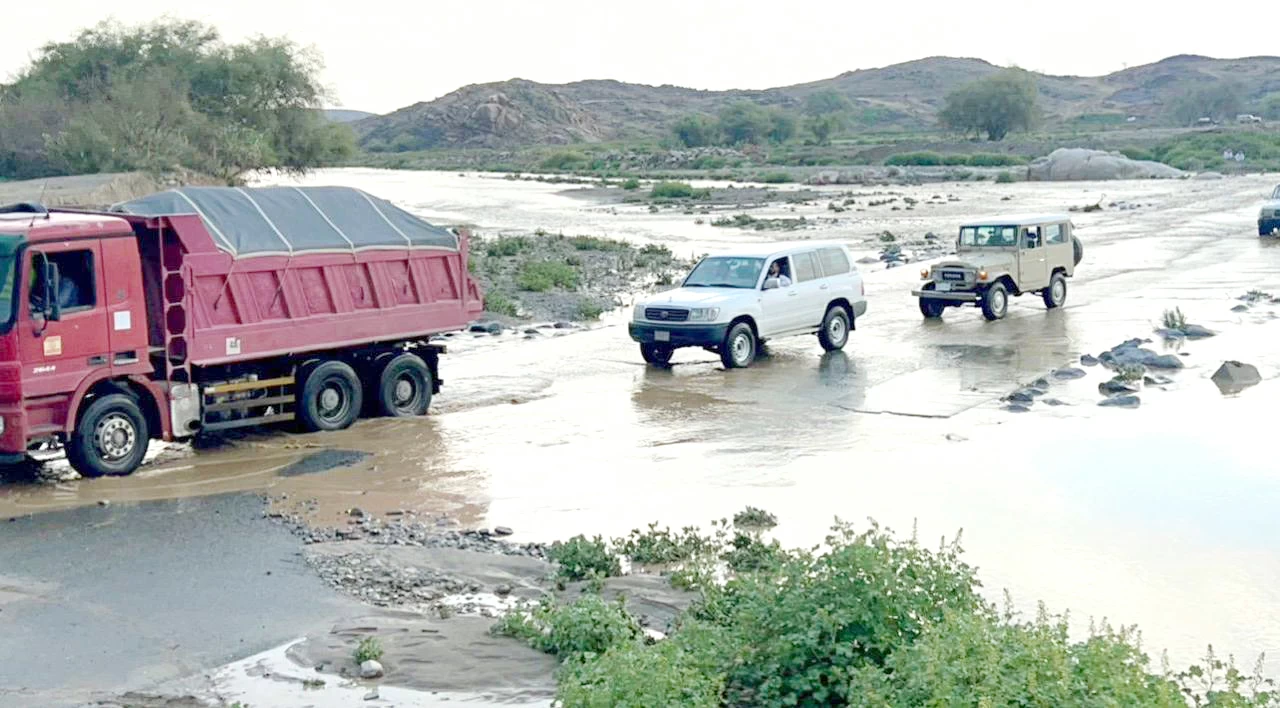
يشهد طريق العبلاء – جرد، الرابط بين محافظة بيشة ومنطقة الباحة، تكراراً لحوادث الاحتجاز والغرق، ما دفع سالكيه إلى تجديد مطالبهم بإنشاء جسور على وادي رنية ووادي شواص، ومعالجة المنعطفات الخطرة وتعزيز عناصر السلامة على الطريق.
ويؤكد محمد الأكلبي لـ«عكاظ»: أن الطريق يُعد شرياناً مهماً يخدم عدداً من القرى ويستخدمه المسافرون بين بيشة والباحة، إلا أنه يتحول عند هطول الأمطار إلى نقطة خطر حقيقية، إذ تتدفق السيول عبر الأودية دون وجود جسور أو عبارات، ما يؤدي إلى انقطاع الطريق بالكامل واحتجاز المركبات وعزل السكان وتعطيل مصالحهم.
وأضاف، أن مشاهد الاحتجاز تتكرر بصورة مقلقة، فالطلاب كثيراً ما تمنعهم السيول من الوصول إلى مدارسهم وجامعاتهم، فيما يتعرض المرضى لمضاعفات خطيرة قبل وصولهم إلى المستشفيات، ليعيشوا لحظات توتر بين انتظار طويل قد يمتد لساعات أو مغامرة محفوفة بالمخاطر لعبور سيل قد يجرف مركباتهم ويهدد حياتهم. كما سجل الطريق حوادث غرق وتلف مركبات بعد أن ابتلعتها المياه، في مشاهد كادت تتحول إلى كوارث لولا لطف الله.
من جهته، أوضح علي الحصنة، أن غياب الجسور على وادي رنية ووادي شواص يعزل قرى كاملة مثل الهنية، المصابيح، شواص الأسفل، القعرة، والبدرية، حيث تتحول هذه القرى عند جريان السيول إلى مناطق مغلقة تماماً، فلا خروج ولا دخول ولا قدرة على الوصول للخدمات. وطالب بإنشاء جسور في مواقع السيول ورفع كفاءة الطريق وتأمينه بما يضمن استمراريته وسلامة مستخدميه.
أما سعيد الغامدي، فأشار إلى أن الطريق يضم مواقع ومنعطفات خطرة تتسبب في حوادث مرورية متكررة، مؤكداً الحاجة إلى حلول هندسية عاجلة تعزز السلامة وتحد من المخاطر.
The Al-Abla – Jird road, which connects the Bisha Governorate with the Al-Baha region, is witnessing repeated incidents of entrapment and drowning, prompting its users to renew their demands for the construction of bridges over Wadi Rania and Wadi Shawas, as well as addressing the dangerous turns and enhancing safety elements on the road.
Mohammed Al-Aklabi told "Okaz": that the road is considered an important artery serving several villages and is used by travelers between Bisha and Al-Baha. However, it turns into a real danger point when it rains, as torrents flow through the valleys without any bridges or culverts, leading to complete road closures, trapping vehicles, isolating residents, and disrupting their livelihoods.
He added that scenes of entrapment are alarmingly recurring, as students are often prevented by the torrents from reaching their schools and universities, while patients face serious complications before reaching hospitals, experiencing moments of tension between a long wait that can extend for hours or a risky adventure to cross a torrent that could sweep away their vehicles and threaten their lives. The road has also recorded drowning incidents and vehicle damage after being engulfed by water, in scenes that could have turned into disasters were it not for God's mercy.
For his part, Ali Al-Husna explained that the absence of bridges over Wadi Rania and Wadi Shawas isolates entire villages such as Al-Haniya, Al-Masabih, Shawas Al-Asfal, Al-Qarah, and Al-Badriyah, as these villages become completely closed areas during the flow of torrents, with no entry or exit and no ability to access services. He called for the construction of bridges in torrent locations and for improving the road's efficiency and safety to ensure its continuity and the safety of its users.
Meanwhile, Saeed Al-Ghamdi pointed out that the road includes dangerous locations and turns that cause repeated traffic accidents, emphasizing the need for urgent engineering solutions to enhance safety and mitigate risks.