طالب سكان المخطط بمركز الثنية، ٤٠ كم غرب بيشة، شركات الاتصالات بدعم خدماتها بإضافة أبراج أخرى لرفع مستوى الخدمة ومعالجة ضعف الشبكة وضمان استفادة السكان من الخدمة بشكل أفضل، مؤكدين، أن الخدمة ضعيفة وتؤثر سلباً على جودة الخدمة المقدمة للمشتركين، مسببة لهم الضرر في ظل التوجه الإلكتروني في كل معاملات المواطن.
عامر سليم الأكلبي أكد لـ «عكاظ»، أنه منذ انتقل للمخطط في الثنية لم يهنأ بالاتصال الجيد عبر جواله كما كان في الحي السابق، وأشار في حديثه، إلى أن مخطط الثنية شهد نهضة عمرانية كبيرة خلال العامين الأخيرين، وأصبح ذا كثافة سكانية كبيرة، لكن لا تتوفر فيه خدمات الاتصالات بالشكل الذي يحقق متطلبات سكانه.
ويضيف إبراهيم محمد الأكلبي قائلاً: «للأسف برج واحد هو الموجود، وهذا لا يكفي ولا يخدم جميع السكان، وعليه ضغط كبير ما يضطر الكثير منا للخروج من منازلهم أو الصعود للجبال وأسطح المنازل لالتقاط الشبكة بشكل جيد، وهذه المعاناة قد يستطيع الشباب والرجال التغلب عليها رغم قسوتها، لكن كيف تتصرف الفتيات والنساء وبالذات الطالبات والموظفات وحتى الأمهات».
ويقول سعد الأكلبي، نتمنى من شركات الاتصالات أن تلتفت لمركز الثنية في بيشة، وأن تدعمه بأبراج إضافية ليتمكن السكان من التواصل مع الآخرين بيسر وسهولة دون عناء، وإنهاء إجراءاتهم التي تتطلب استخدام الاتصالات.
من جانبه، أشار محمد علي الأكلبي، إلى أن الاتصالات في مخطط الثنية ضعيفة وتتسبب في حرمان السكان من الخدمة الجيدة التي تقف في كثير من الأوقات حاجزاً في إنهاء أمورهم المتعلقة بمراجعة بعض الإدارات إلكترونياً، ناهيك أن الاتصالات في وقتنا الحالي باتت ضرورية في كل احتياجات المواطن والمقيم بما فيها حجز مواعيد المستشفيات والسفر واستخراج الأوراق الثبوتية، وحتى مراجعة الدروس لدى طلبة المدارس.
وتمنى إبراهيم محمد الأكلبي، أن تسارع شركات الاتصالات في معالجة ضعف، وسوء شبكة الاتصالات، وتوفرها بالشكل المطلوب، وليس بالتسلق فوق الجبال لالتقاط الإشارات وإجراء المكالمات.
أهالي ثنية بيشة يتسلقون الجبال بحثاً عن شبكة اتصالات
19 أكتوبر 2025 - 02:33
|
آخر تحديث 19 أكتوبر 2025 - 02:47
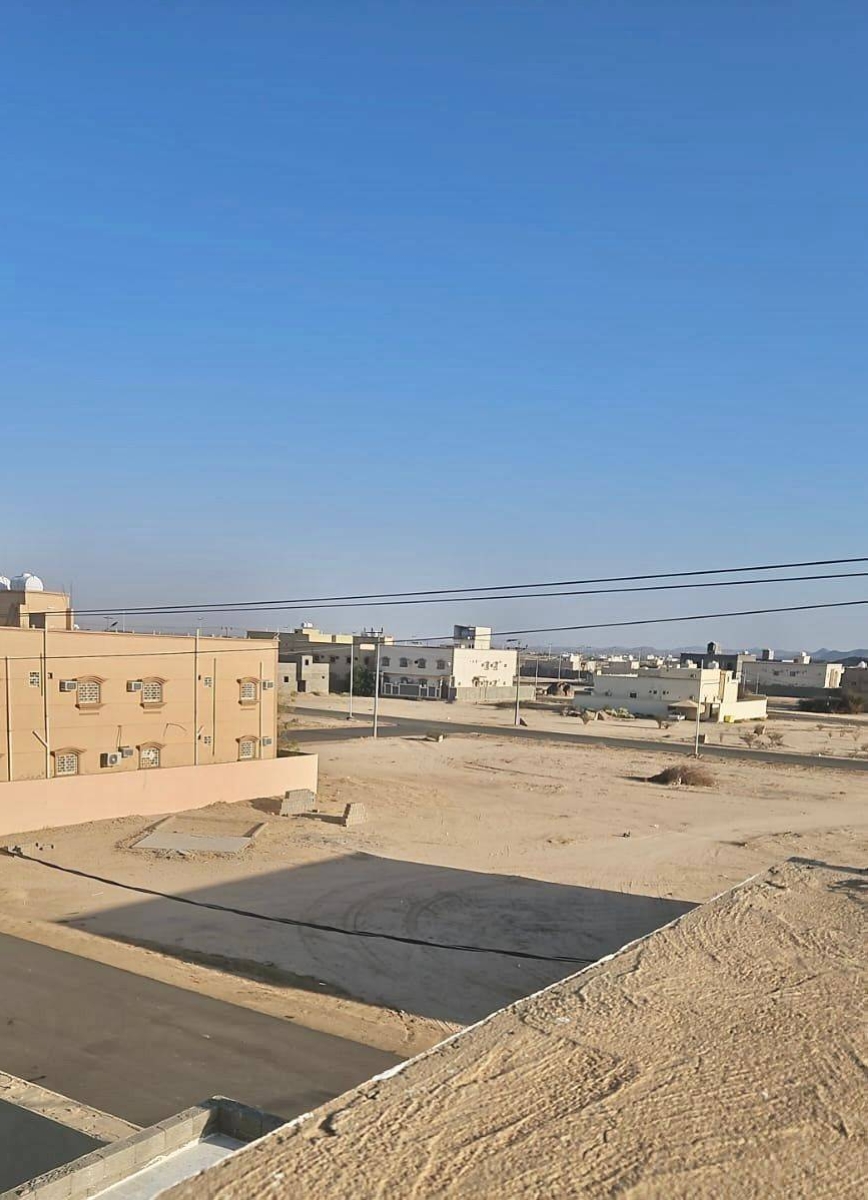
سكان الثنية لشركات الاتصالات (1)


تابع قناة عكاظ على الواتساب
عبدالله آل قمشة (بيشة) aalqomsha@
Residents of the Al-Thania district, 40 km west of Bisha, have called on telecommunications companies to enhance their services by adding more towers to improve service quality and address network weaknesses, ensuring that residents benefit from the service more effectively. They emphasized that the service is weak and negatively impacts the quality of service provided to subscribers, causing them difficulties in light of the electronic shift in all citizen transactions.
Amer Saleem Al-Aklabi confirmed to "Okaz" that since he moved to the Al-Thania district, he has not enjoyed good mobile connectivity as he did in his previous neighborhood. He pointed out in his remarks that the Al-Thania district has witnessed significant urban development over the past two years and has become densely populated, yet telecommunications services are not available in a manner that meets the needs of its residents.
Ibrahim Mohammed Al-Aklabi added, saying: "Unfortunately, there is only one tower available, and this is not sufficient to serve all residents. It is under great pressure, which forces many of us to leave our homes or climb mountains and rooftops to get a good signal. This struggle may be manageable for young people and men despite its severity, but how do girls and women, especially students, employees, and even mothers, cope?"
Saad Al-Aklabi expressed hope that telecommunications companies would pay attention to the Al-Thania center in Bisha and support it with additional towers so that residents can communicate with others easily and without hassle, and complete their procedures that require the use of telecommunications.
For his part, Mohammed Ali Al-Aklabi pointed out that telecommunications in the Al-Thania district are weak and deprive residents of good service, which often acts as a barrier to completing their matters related to electronically reviewing some departments. Moreover, telecommunications have become essential for all the needs of citizens and residents, including booking hospital appointments, travel, obtaining identification documents, and even reviewing lessons for school students.
Ibrahim Mohammed Al-Aklabi wished that telecommunications companies would quickly address the weaknesses and poor quality of the telecommunications network and provide it as required, rather than forcing people to climb mountains to catch signals and make calls.
Amer Saleem Al-Aklabi confirmed to "Okaz" that since he moved to the Al-Thania district, he has not enjoyed good mobile connectivity as he did in his previous neighborhood. He pointed out in his remarks that the Al-Thania district has witnessed significant urban development over the past two years and has become densely populated, yet telecommunications services are not available in a manner that meets the needs of its residents.
Ibrahim Mohammed Al-Aklabi added, saying: "Unfortunately, there is only one tower available, and this is not sufficient to serve all residents. It is under great pressure, which forces many of us to leave our homes or climb mountains and rooftops to get a good signal. This struggle may be manageable for young people and men despite its severity, but how do girls and women, especially students, employees, and even mothers, cope?"
Saad Al-Aklabi expressed hope that telecommunications companies would pay attention to the Al-Thania center in Bisha and support it with additional towers so that residents can communicate with others easily and without hassle, and complete their procedures that require the use of telecommunications.
For his part, Mohammed Ali Al-Aklabi pointed out that telecommunications in the Al-Thania district are weak and deprive residents of good service, which often acts as a barrier to completing their matters related to electronically reviewing some departments. Moreover, telecommunications have become essential for all the needs of citizens and residents, including booking hospital appointments, travel, obtaining identification documents, and even reviewing lessons for school students.
Ibrahim Mohammed Al-Aklabi wished that telecommunications companies would quickly address the weaknesses and poor quality of the telecommunications network and provide it as required, rather than forcing people to climb mountains to catch signals and make calls.