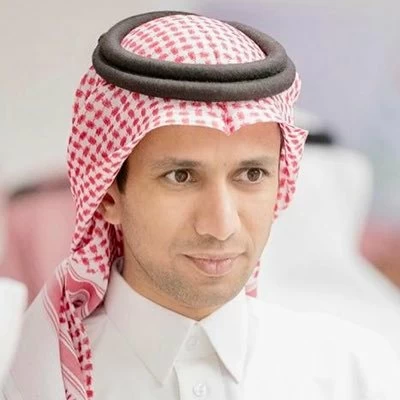
كتبت الإعلامية خديجة الوعل تدوينة في منصة X قبل أيام عن ملاحظتها على برامج قناة mbc "صباح الخير يا عرب"، و«MBC في أسبوع»، و«كلام نواعم» بأنها بدأت تفقد الفروقات بينها من حيث المحتوى، وأصبح هناك تشابه واضح في الطرح والفقرات.
رأي الوعل يُحترم ويقدر، لاسيما أنها عملت في مجموعة mbc لسنوات وعاصرت العصر الذهبي للمجموعة، لكنه في الوقت نفسه يطرح أسئلة عديدة عن البرامج التلفزيونية في الوقت الحالي.
وتأكيداً لرأيها لم تعد البرامج التلفزيونية في عدد من القنوات بذات الطابع والجودة الذي ذاع صيتها بسببه، إلا أنها أضحت نسخا مكررة من الضيوف والمواضيع، وكأن القائمين عليها لا يفكرون إلا في «تعبئة الشاشة» فقط.
الحال الذي وصلت له معظم برامجنا التلفزيونية لا يسر مسيري القنوات ولا يجذب المشاهدين، فمثلاً في إحدى القنوات يظهر الضيف على شاشتها مرتين أو ثلاثا على نفس الموضوع وفي برنامجين مختلفين.
أزمة تلك البرامج التلفزيونية لا تقتصر على شح المواضيع أو الضيوف، بل في الفكر الذي يديرها، وضعف الإعداد، والبحث عن المواضيع السهلة، فالأفكار التي تطرح فيها مكررة ومستنسخة من دون تجديد أو خارج الصندوق هذا إذا كانت لديها صناديق.
إذا استمرت برامجنا التلفزيونية بهذا النهج فإنها لا تشاهد إلا من قبل منفذيها ومعديها وضيوفها فقط، وأضحت بلا مشاهدين ومتابعين، على العكس تماماً من سنوات مضت كانت مواضيعها حديث الناس.
ورغم هذا التدني في مستوى عدد من البرامج.. إلا أن هناك برامج بدأت تأخذ حيزاً من النجاح والمشاهدة كبرامج على شاشات التلفزيون السعودي والإخبارية حتى أصبحت متفردة بما تطرحه وتقدمه للمتابع.
التجديد مطلب ولا يتم إلا من خلال تجديد الدماء والأفكار ومراعاة متطلبات المشاهدين، ومواكبة التطور الإعلامي في المملكة.
The media personality Khadija Al-Wa'al wrote a post on platform X a few days ago about her observations on the programs of MBC channel "Good Morning, Arabs," "MBC in a Week," and "Kalam Nawaem," noting that they have started to lose their distinctions in terms of content, and there is a clear similarity in the presentation and segments.
Al-Wa'al's opinion is respected and valued, especially since she has worked in the MBC group for years and witnessed the golden age of the group, but at the same time, it raises many questions about television programs currently.
To confirm her opinion, television programs on several channels no longer have the same character and quality for which they became famous; instead, they have become repetitive copies of guests and topics, as if those in charge are only thinking about "filling the screen."
The state that most of our television programs have reached does not please the channel managers nor attract viewers; for example, on one channel, a guest appears on its screen two or three times on the same topic and in different programs.
The crisis of these television programs is not limited to a lack of topics or guests but lies in the thinking that manages them, the weak preparation, and the search for easy topics. The ideas presented are repetitive and copied without renewal or thinking outside the box, if they even have boxes.
If our television programs continue in this manner, they will only be watched by their producers, editors, and guests, and they have become devoid of viewers and followers, in stark contrast to years past when their topics were the talk of the town.
Despite this decline in the level of some programs, there are programs that have started to gain a share of success and viewership, such as programs on Saudi television and news channels, which have become unique in what they present to the audience.
Renewal is a necessity and can only be achieved through refreshing ideas and considering the viewers' requirements, while keeping pace with media development in the Kingdom.