«رؤية»، قديرة أخذت على عاتقها تحريك الساكن، ليغدو ديناميكيًا فاعلًا.. وهزّ الآسن، ليغدو دفقًا فوّارًا.. ومسح القائم الشاخص بعين المستقبل المزهر، فيستحيل واقعًا باهرًا، وإنجازًا مدهشًا، وحقيقة ماثلة عشنا معها؛ وعدًا غير مكذوب، ومنجزًا مدهشًا غير مجلوب، وتوقعًا مبرقًا بكل جديد خلاق مطلوب.. ماذا يمكن أن تأخذ السعودية إلى العالم، بعيدًا عن النفط والاقتصاد والتقنية؟
الإجابة جاءت هذه المرة من مكان أكثر إنسانية من سرير المريض.
لم تذهب المملكة إلى منصة دولية لتقول للعالم إن لديها مستشفى متقدمًا فحسب، بل ذهبت ومعها فكرة صغيرة في حجمها، كبيرة في أثرها، يمكن أن تغيّر شيئًا مهمًا في حياة المرضى داخل مستشفيات العالم.
مستشفى الملك فيصل التخصصي ومركز الأبحاث في جدة فاز بجائزة السلامة العالمية للمرضى من اللجنة المشتركة الدولية لعام 2026،
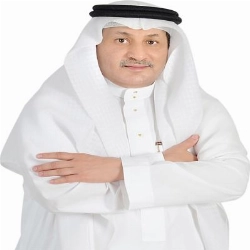
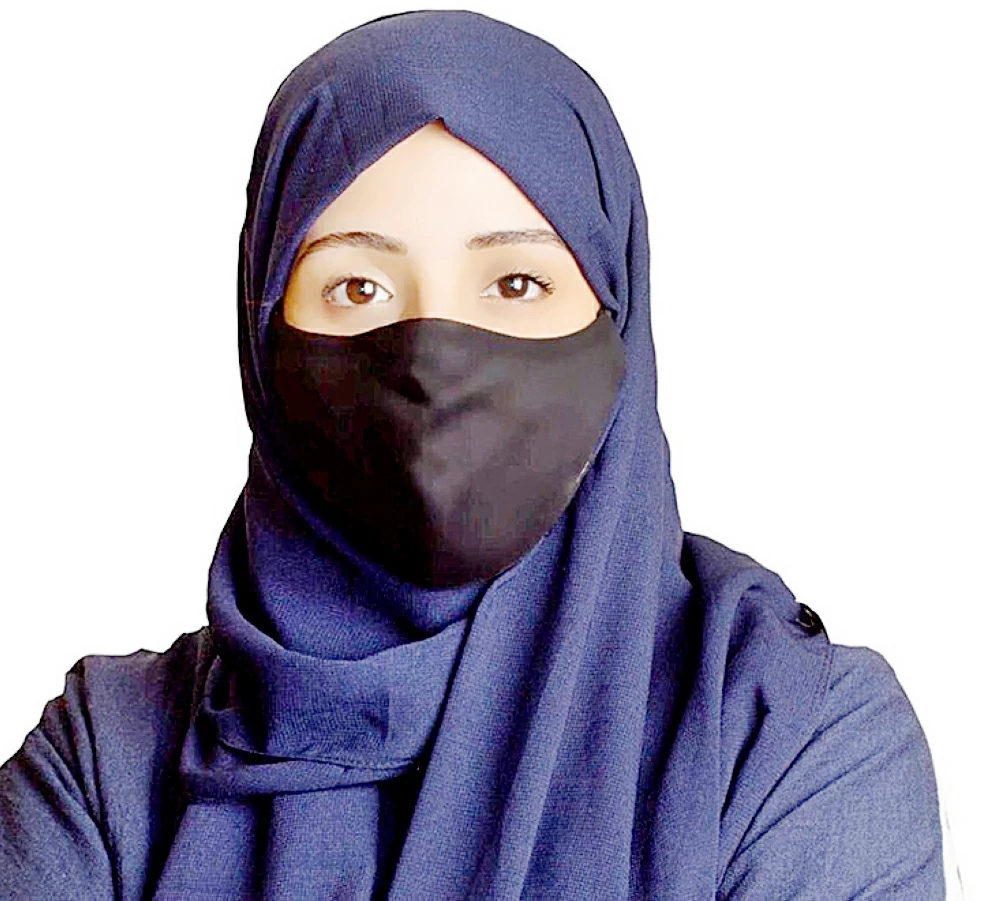
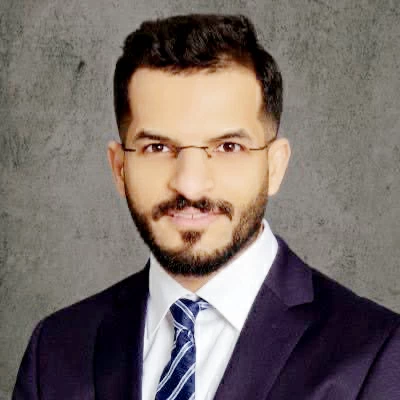
في واشنطن مجموعة من بنات وأبناء المستشفى صعدوا أمام أنظار العالم ليتسلموا تكريم الوطن، تقديرًا لمبادرة بروتوكول تقييم النقل الآمن للحالات الحرجة في مراحل انتقال الرعاية، التي طورتها خدمات الإسعاف في التخصصي.
جائزة تمنح للمؤسسات الصحية خارج الولايات المتحدة الأمريكية التي تُظهر تميّزًا في تطوير رعاية صحية أكثر أمانًا وجودة، بناءً على تقييم لجنة عالمية من خبراء سلامة المرضى، تستند إلى معايير الابتكار والفعالية وقابلية التوسّع والاستمرارية والتطبيق في مؤسسات أخرى.
انطلق المشروع من ملاحظة ميدانية رصدها فريق خدمات الإسعاف
كان عدد من المرضى المحوّلين أو الذين غادروا المستشفى يعودون إلى قسم الطوارئ خلال سبعة أيام من خروجهم، بسبب علاجات غير مكتملة، أو تدهور في الحالة، أو نتائج فحوصات لم تُدرج في خطة الخروج.
وبدلًا من اعتبار النقل مجرد إجراء لوجستي، أعاد المستشفى تصميمه كخط دفاع أخير للسلامة.
مع كل طلب نقل، يراجع المسعف السجل الطبي الإلكتروني للمريض، ويجري تقييمًا سريريًا مستقلًا، ويطّلع على ملاحظات التسليم والفحوصات التشخيصية، ويأخذ بعين الاعتبار ملاحظات المرافقين أو الأسرة قبل لحظة النقل مباشرة، مما أدى إلى تعديل خطط علاجهم قبل النقل، وانخفاض معدل عودة المرضى إلى الطوارئ في إنجاز طبي يمكن تطبيقه في مؤسسات صحية أخرى، وهو أحد المعايير الأساسية التي اعتمدتها لجنة التحكيم في منح الجائزة.
بروتوكول منح المسعف دورًا أكبر، ليصبح بمثابة حاجز أمان سريري أخير، لحماية المريض، هنا تكمن قيمة الإنجاز السعودي.
العالم لم يمنح الجائزة لأن الفكرة معقدة أو تحتاج إلى آلة خارقة أو تقنية نادرة.
قوة الفكرة تكمن في كونها عملية، واضحة، قابلة للقياس، وللتكيف والتطبيق في بيئات صحية مختلفة، لها قابلية التوسع والاستدامة
الأرقام تمنح الحكاية قوة إضافية.
البروتوكول فحص أكثر من 1200 مريض منذ تطبيقه، وانخفضت نسبة عودة المرضى إلى قسم الطوارئ إلى 9 ٪.
إن وراء البروتوكول فكرة قابلة للقياس، وأن السلامة ليست شعارًا يكتب على جدران المستشفيات، وإنما ممارسة تبدأ من أصغر التفاصيل.
المملكة لم تكتفِ بتطوير التجربة داخل مستشفياتها، بل أصبحت تملك منظومة وطنية كاملة لسلامة المرضى تشجع الابتكار وتقيس النتائج وتسعى إلى نشر الممارسات الناجحة.
المركز السعودي لسلامة المرضى يضع ضمن أهدافه قيادة التحسين والابتكار في سلامة المرضى، وتوسيع تبني الممارسات الآمنة داخل النظام الصحي.
وهنا تصبح الحكاية أكبر من جائزة لمستشفى سعودي، إنها حكاية دولة تريد أن تنتقل من استهلاك المعرفة الطبية إلى صناعتها ومن استقبال أفضل الممارسات العالمية إلى إنتاج ممارسات يمكن أن يتعلّم منها الآخرون.
قد تبدو عربة نقل المريض شيئًا عاديًا في أي مستشفى، وقد تبدو الدقائق الأخيرة قبل مغادرة المريض تفصيلًا عابرًا.
لكن السعودية تقول للعالم إن سلامة الإنسان هي الأهم، وإن أكثر اللحظات هدوءًا قد تكون أكثرها حاجة إلى عين إضافية. من جدة خرجت الفكرة، وإلى منصة عالمية وصلت الجائزة.
الأهم أن السؤال أصبح مفتوحًا أمام مستشفيات العالم إذا كان بالإمكان تحويل آخر لحظة قبل نقل المريض إلى نقطة أمان، فلماذا لا تصبح هذه الممارسة معيارًا في كل المستشفيات؟
هنا يكون التكريم الحقيقي أن تتحوّل تجربة سعودية بدأت داخل مستشفى إلى فكرة يمكن أن تحمي مريضًا في الرياض، وجدة، ولندن، ونيويورك، وطوكيو، وفي أي مكان يحتاج فيه إنسان إلى رعاية أكثر أمانًا.
تلك هي السعودية التي نريد أن نراها على منصات العالم لا تذهب لتصفق لإنجاز الآخرين، بل تذهب ومعها إنجاز يستحق أن يتعلّم منه الآخرون.
“Vision,” a powerful initiative that has taken upon itself to move the stagnant, making it dynamic and active.. and to shake the stagnant, turning it into a bubbling flow.. and to wipe the standing figure with the eye of a blossoming future, transforming it into a dazzling reality, an astonishing achievement, and a tangible truth we have lived with; a promise unbroken, and an impressive accomplishment not imported, and a bright expectation of every new creative demand.. What can Saudi Arabia offer to the world, beyond oil, economy, and technology?
The answer this time came from a more humane place than a patient’s bed.
The Kingdom did not go to an international platform just to tell the world that it has an advanced hospital, but it went with a small idea in size, but large in impact, that can change something important in the lives of patients within hospitals around the world.
King Faisal Specialist Hospital and Research Center in Jeddah won the Global Patient Safety Award from the Joint Commission International for the year 2026,
in Washington, a group of sons and daughters of the hospital stood before the eyes of the world to receive the honor of the nation, in appreciation of the initiative of the Safe Transport Protocol for Critical Cases during Care Transition, developed by the ambulance services at the hospital.
This award is granted to healthcare institutions outside the United States that demonstrate excellence in developing safer and higher quality healthcare, based on an evaluation by an international committee of patient safety experts, relying on standards of innovation, effectiveness, scalability, sustainability, and applicability in other institutions.
The project started from a field observation noted by the ambulance services team
that a number of transferred patients or those who left the hospital returned to the emergency department within seven days of their discharge, due to incomplete treatments, deterioration in condition, or test results not included in the discharge plan.
Instead of considering transport as merely a logistical procedure, the hospital redesigned it as a final line of defense for safety.
With every transport request, the paramedic reviews the patient’s electronic medical record, conducts an independent clinical assessment, reviews handoff notes and diagnostic tests, and takes into account the comments of companions or family just before the moment of transport, leading to adjustments in their treatment plans before transport, and a decrease in the rate of patients returning to the emergency department in a medical achievement that can be applied in other healthcare institutions, which is one of the key criteria adopted by the judging committee in granting the award.
The protocol granted the paramedic a larger role, becoming a final clinical safety barrier to protect the patient; this is where the value of the Saudi achievement lies.
The world did not grant the award because the idea is complex or requires a super machine or rare technology.
The strength of the idea lies in its practicality, clarity, measurability, adaptability, and applicability in different healthcare environments, with scalability and sustainability.
The numbers give the story additional strength.
The protocol has examined more than 1,200 patients since its implementation, and the rate of patients returning to the emergency department has decreased to 9%.
Behind the protocol lies a measurable idea, and safety is not a slogan written on the walls of hospitals, but a practice that starts from the smallest details.
The Kingdom did not stop at developing the experience within its hospitals, but has established a complete national system for patient safety that encourages innovation, measures outcomes, and seeks to disseminate successful practices.
The Saudi Center for Patient Safety includes among its goals leading improvement and innovation in patient safety, and expanding the adoption of safe practices within the healthcare system.
Here, the story becomes bigger than an award for a Saudi hospital; it is the story of a country that wants to transition from consuming medical knowledge to producing it, and from receiving the best global practices to creating practices that others can learn from.
The patient transport cart may seem like an ordinary thing in any hospital, and the last minutes before a patient leaves may appear as a fleeting detail.
But Saudi Arabia tells the world that human safety is the most important, and that the quietest moments may be the ones most in need of an extra eye. From Jeddah, the idea emerged, and to a global platform, the award arrived.
The important thing is that the question is now open for hospitals around the world: if it is possible to turn the last moment before transporting a patient into a point of safety, why shouldn't this practice become a standard in all hospitals?
Here, the true honor is that a Saudi experience that began within a hospital transforms into an idea that can protect a patient in Riyadh, Jeddah, London, New York, Tokyo, and anywhere a person needs safer care.
This is the Saudi Arabia we want to see on the world platforms, not going to applaud the achievements of others, but going with an achievement that deserves to be learned from by others.