لم تذهب توقّعات أيّ مراقب ومتابع للأحداث لقراءة الإشارة الذكية التي أرسلها سمو ولي العهد الأمير محمد بن سلمان طيَّ خطاب خادم الحرمين الشريفين الملك سلمان السنوي أمام مجلس الشورى يوم الـ10 من سبتمبر 2025م.
بقوله: «إن التعاون مع الشركاء الاستراتيجيين يسهم في توطين الصناعة العسكرية وتسريعها، حيث ارتفعت نسبة التوطين إلى أكثر من 19% بعد أن كانت لا تتجاوز 2%».
لم تذهب التوقعات على اعتبارها ذات مرامٍ تمهيدية لتوقيع اتفاقية دفاع إستراتيجي مشترك مع جمهورية باكستان الإسلامية، هي الأولى من نوعها في المحيط الإقليمي، فما بين هذه الإشارة وتوقيع الاتفاقية أسبوع واحد فقط من عمر الزمان، بما يحمل المرء على الجزم بأنها كانت «رسالة ذكيّة»، مهّد بها ولي العهد إلى هذه الاتفاقية التي حرّكت الساكن، ورفعت من حرارة الإحداث في الأيام الماضية، وفعّلت قرون الاستشعار الإقليمي والعالمي لقراءة مآلتها بما أحدثته من انقلاب في موازين القوى في المنطقة.
وإلى أيّ جهة ذهبت بوصلة التوقعات، وأومأت إشارات التوجس والمخاوف؛ فلن تصل إلى الحقيقة الجلية من هذه الاتفاقية المباركة إلا في الإدراك الواعي، والقراءة البصيرة لصريح إشارة ولي العهد، والمستبطنات التي تتوخّاها وتتغيّاها، وفقاً لموجهات «الرؤية»، في نظرها البعيد، وخروجها عن الصور النمطية، والقيود التقليدية الموسومة بالتحرّك في مسيّجات مكررة، وحدود مرسومة، غير قابلة للاختراق، ومحصّنة دون العبور فوقها..
فمن المهم جدّاً أن يفهم الجميع، على المستويين الإقليمي والعالمي، أن حدود السيادة السعودية على قرارها تحكمه رؤية قيادتها الرشيدة، وهي رؤية من الحكمة والرشد بما يكفي لبسط هذه السيادة بما يحقق مصالحها، ويضمن لها علاقات متوازنة ومتزنة على قاعدة الإفادة والاستفادة.
إن المملكة ليست في معرض التفسير والشرح لأسباب توقيع هذه الاتفاقية مع جمهورية باكستان، وإن كانت الديباجة التمهيدية قد تضمّنت ذلك لمحاً بوصفها «تأكيداً على عمق العلاقات التاريخية الممتدة لنحو 78 عاماً»، وأنها «تعكس روابط الأخوّة والتضامن الإسلامي، الذي يجمع البلدين حكومةً وشعباً».
وفي ذلك غنىً وكفاية لمن أراد التفتيش في النوايا، القراءة المعاكسة، حتى وإن نظر بعض المراقبين، من طرفٍ بعيد إلى الترسانة النووية المتطوّرة والقدرات العسكرية المتقدمة لباكستان، وهو تقدير ينظر بعين واحدة، وباتجاه لم ينظر إلى المقدرات الكبيرة، والتغيرات الجذرية التي أحدثتها رؤية المملكة 2030، منذ إطلاقها، على المستويات كافة، بما جعل من فكرة الاحتفاظ بـ «الصور النمطية» عن المملكة في الذاكرة الجمعية ضرباً من الغباء و«الاستعباط»، ولا سبيل إلى فهم المملكة ما بعد «الرؤية» إلا بالذهاب عميقاً، لإدراك أن المملكة في عصرها الحديث، دولة ذات ثقل مركزي إقليمي، ولاعب أساسي ومؤثر على المستوى العالمي، بمكانة تضمن لها التحرّك في الاتجاهات كافة بكامل الحرية والسيادة لتحقيق مصالحها، وضمان أمنها وسلامة حدودها، واستشراف الأفق للواقع الإقليمي والعالمي عاجلاً وآجلاً..
ودون أي خوض في تفاصيل هذه الاتفاقية الاستراتيجية، كون ذلك من شأن الاختصاصيين في هذا المجال، لكن ثمة مؤشرات عامة لا تخفى على عين المتابع، وهي أنّ هذه الاتفاقية ليست مجرد تحالف تقليدي بين دولتين حليفتين، بل جاءت لتعكس رؤية استراتيجية واضحة للقيادة السعودية، بتحوّل نوعي في موازين القوى الإقليمية والدولية، ويقرأ ذلك من النص الجوهري الذي تضمنته ومفاده: «أنّ أيّ اعتداء على أحد الطرفين سيُعتبر اعتداء مباشراً على الآخر»، وهو بند يعكس درجة عالية من الالتزام الدفاعي المشترك، ويمنح البلدين قدرة ردع ما يتهددهما بشكل قانوني ينسجم مع الأعراف الدولية، ولا يخرج عنها قيد أنملة. وبذلك تظهر القيادة السعودية وعيها بأهمية بناء شبكة تحالفات لا تعتمد فقط على المظلة الغربية، خصوصاً في ظل التحولات الجيوسياسية التي يشهدها الشرق الأوسط، وإعادة تشكيل التحالفات العالمية. إذ لم تعد السعودية تراهن على دعم دول بعينها، بل صمّمت استراتيجيتها بحيث تُعطيها القدرة على حماية مصالحها الإقليمية والدولية بفعالية، ورفع مستوى الردع ضد أي تهديدات محتملة.
ويمكن القول إن هذه الاستراتيجية تنسجم تماماً مع قراءة المملكة البصيرة لواقع دول العالم المؤثرة الجانحة نحو تأسيس شراكتها الجديدة وفق تحالفات سريعة ونشطة ومؤثرة، بعيداً عن الأجسام المترهلة، والحركة «الأميبية» في اتخاذ القرارات، التي تتطلب السرعة والنجازة والموافقة الآنية للمتطلبات العاجلة.
وهو ما يتحقق بالكلية للمملكة من هذه الاتفاقية وهذا التحالف، الذي يمثّل نقطة تحوّل فارق في الشرق الأوسط، ويضع المملكة على طريق الريادة الإقليمية والدولية، بما يتوافق مع رؤية القيادة السعودية الطموحة نحو جعل المملكة قوةً عالميةً متكاملةً ومؤثرةً.
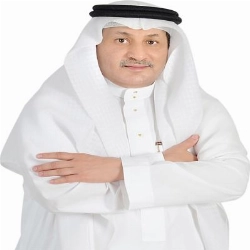
نجيب يماني
في إعادة ترتيب إستراتيجية القوى
29 سبتمبر 2025 - 00:04
|
آخر تحديث 29 سبتمبر 2025 - 00:04


تابع قناة عكاظ على الواتساب
The expectations of any observer and follower of events did not miss the smart signal sent by His Royal Highness Crown Prince Mohammed bin Salman through the annual speech of the Custodian of the Two Holy Mosques, King Salman, before the Shura Council on September 10, 2025.
He stated: "Cooperation with strategic partners contributes to the localization and acceleration of military industry, where the localization rate has risen to more than 19% after being no more than 2%."
The expectations were not misplaced, considering them as preliminary intentions for signing a joint strategic defense agreement with the Islamic Republic of Pakistan, the first of its kind in the regional sphere. Between this signal and the signing of the agreement, there is only one week in the passage of time, which leads one to assert that it was a "smart message," paving the way for this agreement that stirred the stagnant waters and raised the temperature of events in recent days, activating regional and global sensors to read its implications and the shift it caused in the balance of power in the region.
Regardless of where the compass of expectations pointed and the signals of apprehension and fears indicated, the clear truth of this blessed agreement can only be reached through conscious understanding and insightful reading of the explicit signal from the Crown Prince, and the underlying intentions it seeks, in accordance with the guidelines of the "Vision," in its long-term perspective, and its departure from stereotypical images and traditional constraints marked by movement within repeated enclosures and drawn boundaries that are impervious and fortified against crossing.
It is very important for everyone, at both regional and global levels, to understand that the limits of Saudi sovereignty over its decisions are governed by the vision of its wise leadership, which is a vision of wisdom and prudence sufficient to extend this sovereignty in a way that achieves its interests and ensures balanced and stable relations based on mutual benefit.
The Kingdom is not in a position to explain or justify the reasons for signing this agreement with the Republic of Pakistan, even though the introductory preamble included hints describing it as "an affirmation of the depth of historical relations extending for nearly 78 years," and that it "reflects the bonds of brotherhood and Islamic solidarity that unite the two countries, governments, and peoples."
In this, there is richness and sufficiency for those who wish to search for intentions, a contrary reading, even if some observers, from a distant perspective, look at Pakistan's advanced nuclear arsenal and military capabilities. This assessment looks with one eye and in a direction that does not consider the significant capabilities and the fundamental changes brought about by the Kingdom's Vision 2030 since its launch, across all levels, making the idea of retaining "stereotypical images" of the Kingdom in collective memory a form of ignorance and "foolishness." There is no way to understand the Kingdom after the "Vision" except by going deep to realize that the Kingdom, in its modern era, is a state of regional central weight and a key and influential player on the global level, with a status that guarantees it the freedom and sovereignty to move in all directions to achieve its interests, ensure its security and the safety of its borders, and anticipate the horizon for the regional and global reality, both now and in the future.
Without delving into the details of this strategic agreement, as that is the domain of specialists in this field, there are general indicators that do not escape the eye of the observer. This agreement is not merely a traditional alliance between two allied states; rather, it reflects a clear strategic vision of the Saudi leadership, representing a qualitative shift in the regional and international balance of power. This can be read from the essential text it contains, which states: "Any aggression against either party will be considered a direct aggression against the other," a clause that reflects a high degree of mutual defensive commitment and grants the two countries the ability to deter threats against them in a manner consistent with international norms, without deviating even slightly from them. Thus, the Saudi leadership demonstrates its awareness of the importance of building a network of alliances that does not rely solely on the Western umbrella, especially in light of the geopolitical transformations occurring in the Middle East and the reshaping of global alliances. Saudi Arabia no longer bets on the support of specific countries but has designed its strategy to give it the ability to effectively protect its regional and international interests and raise the level of deterrence against any potential threats.
It can be said that this strategy aligns perfectly with the Kingdom's insightful reading of the reality of influential countries in the world that are inclined to establish their new partnerships through rapid, active, and influential alliances, far from bloated bodies and the "amoebic" movement in decision-making, which requires speed, efficiency, and immediate agreement to meet urgent demands.
This is fully realized for the Kingdom through this agreement and this alliance, which represents a pivotal turning point in the Middle East, placing the Kingdom on the path to regional and international leadership, in line with the ambitious vision of the Saudi leadership to make the Kingdom a comprehensive and influential global power.
He stated: "Cooperation with strategic partners contributes to the localization and acceleration of military industry, where the localization rate has risen to more than 19% after being no more than 2%."
The expectations were not misplaced, considering them as preliminary intentions for signing a joint strategic defense agreement with the Islamic Republic of Pakistan, the first of its kind in the regional sphere. Between this signal and the signing of the agreement, there is only one week in the passage of time, which leads one to assert that it was a "smart message," paving the way for this agreement that stirred the stagnant waters and raised the temperature of events in recent days, activating regional and global sensors to read its implications and the shift it caused in the balance of power in the region.
Regardless of where the compass of expectations pointed and the signals of apprehension and fears indicated, the clear truth of this blessed agreement can only be reached through conscious understanding and insightful reading of the explicit signal from the Crown Prince, and the underlying intentions it seeks, in accordance with the guidelines of the "Vision," in its long-term perspective, and its departure from stereotypical images and traditional constraints marked by movement within repeated enclosures and drawn boundaries that are impervious and fortified against crossing.
It is very important for everyone, at both regional and global levels, to understand that the limits of Saudi sovereignty over its decisions are governed by the vision of its wise leadership, which is a vision of wisdom and prudence sufficient to extend this sovereignty in a way that achieves its interests and ensures balanced and stable relations based on mutual benefit.
The Kingdom is not in a position to explain or justify the reasons for signing this agreement with the Republic of Pakistan, even though the introductory preamble included hints describing it as "an affirmation of the depth of historical relations extending for nearly 78 years," and that it "reflects the bonds of brotherhood and Islamic solidarity that unite the two countries, governments, and peoples."
In this, there is richness and sufficiency for those who wish to search for intentions, a contrary reading, even if some observers, from a distant perspective, look at Pakistan's advanced nuclear arsenal and military capabilities. This assessment looks with one eye and in a direction that does not consider the significant capabilities and the fundamental changes brought about by the Kingdom's Vision 2030 since its launch, across all levels, making the idea of retaining "stereotypical images" of the Kingdom in collective memory a form of ignorance and "foolishness." There is no way to understand the Kingdom after the "Vision" except by going deep to realize that the Kingdom, in its modern era, is a state of regional central weight and a key and influential player on the global level, with a status that guarantees it the freedom and sovereignty to move in all directions to achieve its interests, ensure its security and the safety of its borders, and anticipate the horizon for the regional and global reality, both now and in the future.
Without delving into the details of this strategic agreement, as that is the domain of specialists in this field, there are general indicators that do not escape the eye of the observer. This agreement is not merely a traditional alliance between two allied states; rather, it reflects a clear strategic vision of the Saudi leadership, representing a qualitative shift in the regional and international balance of power. This can be read from the essential text it contains, which states: "Any aggression against either party will be considered a direct aggression against the other," a clause that reflects a high degree of mutual defensive commitment and grants the two countries the ability to deter threats against them in a manner consistent with international norms, without deviating even slightly from them. Thus, the Saudi leadership demonstrates its awareness of the importance of building a network of alliances that does not rely solely on the Western umbrella, especially in light of the geopolitical transformations occurring in the Middle East and the reshaping of global alliances. Saudi Arabia no longer bets on the support of specific countries but has designed its strategy to give it the ability to effectively protect its regional and international interests and raise the level of deterrence against any potential threats.
It can be said that this strategy aligns perfectly with the Kingdom's insightful reading of the reality of influential countries in the world that are inclined to establish their new partnerships through rapid, active, and influential alliances, far from bloated bodies and the "amoebic" movement in decision-making, which requires speed, efficiency, and immediate agreement to meet urgent demands.
This is fully realized for the Kingdom through this agreement and this alliance, which represents a pivotal turning point in the Middle East, placing the Kingdom on the path to regional and international leadership, in line with the ambitious vision of the Saudi leadership to make the Kingdom a comprehensive and influential global power.