لطالما نظر بعض المجتمعات إلى الترفيه باعتباره ترفاً يمكن الاستغناء عنه أو حتى مصدراً للسطحية، في حين أن التجربة الإنسانية أثبتت أن هذه النظرة قاصرة. فالمتعة والبهجة جزءان من التوازن النفسي والاجتماعي، وليسا نقيضين للجدية أو الإنتاج. بل إن الأمم الناجحة تدرك أن الترفيه ليس انشغالاً عابراً، بل أحد مقومات جودة الحياة ومؤشر على حيوية المجتمع.
في السعودية، يمثّل الاستثمار في الترفيه جزءاً أصيلاً من التحول الوطني الذي تقوده رؤية 2030. هذا التحول لا يقتصر على بناء مسارح أو تنظيم مهرجانات، بل يعكس وعياً عميقاً بأن المجتمع المتماسك يحتاج إلى مساحات للفرح مثلما يحتاج إلى التعليم والصحة والعمل. بذلك، يتحول الترفيه من نشاط جانبي إلى عنصر في مشروع حضاري أشمل يعيد صياغة علاقة الإنسان السعودي بذاته وبالعالم.
الحق في السعادة، وإن لم يُذكر حرفياً في الإعلان العالمي لحقوق الإنسان عام 1948، إلا أنه حاضر ضمنياً في الحقوق الأساسية: الحق في الحياة، في العمل، في مستوى معيشي كريم، في الصحة والتعليم. هذه الحقوق ليست سوى أدوات لبلوغ السعادة والرضا. بعض الدساتير ذهبت أبعد، مثل اليابان التي نصت على «حق الفرد في السعادة»، أو بوتان التي ابتكرت مفهوم «السعادة الوطنية الإجمالية». تلك التجارب تؤكد أن الرفاه الإنساني، بما في ذلك الترفيه، ليس ترفاً بل أساس لحياة كريمة.
لكن للترفيه أيضاً وجه سياسي وثقافي أعمق، يتصل بما يُعرف بالقوة الناعمة. فالدول لا تبسط نفوذها بالقوة العسكرية وحدها، بل أيضاً بالقدرة على الإقناع والجذب عبر الثقافة والفنون والرياضة. الولايات المتحدة استخدمت هوليوود لتصدير قيمها، كوريا الجنوبية صنعت من موسيقى الـ K-pop والدراما التلفزيونية وسيلة لتعزيز حضورها العالمي، والهند فعلت الأمر ذاته عبر بوليوود.
السعودية تسير على خط مشابه، لكن بخصوصية ثقافية تنبع من موروثها وهويتها. استضافة فعاليات عالمية مثل سباقات الفورمولا 1، وبطولات المصارعة الحرة، والمهرجانات الفنية والموسيقية، ليست مجرد أنشطة ترفيهية، بل رسائل موجهة إلى الداخل والخارج معاً: إلى الداخل لتأكيد أن المجتمع يستحق فضاءات للسعادة والتلاقي، وإلى الخارج لبناء صورة جديدة عن بلد يوازن بين الأصالة والانفتاح، ويستثمر ثقافته ومكانته لصياغة حضور عالمي مختلف.
الأمر لا يقف عند حدود السمعة أو الجذب السياحي، بل يتجاوزها إلى بناء اقتصاد ثقافي متكامل. صناعة الترفيه تفتح أبواباً للاستثمار، تخلق وظائف، وتبني قطاعات إبداعية جديدة. بهذا المعنى، يصبح الترفيه جزءاً من الاقتصاد الوطني لا يقل أهمية عن النفط أو السياحة أو الصناعة.
ما يحدث في السعودية اليوم هو تصحيح لمفهوم طالما أُسيء فهمه: الترفيه ليس مضيعة للوقت، بل استثمار في الإنسان أولاً، وفي صورة الوطن ثانياً، وفي قوته الناعمة ثالثاً. إنه إعادة تعريف للحياة المتوازنة التي تجمع بين العمل والإنجاز من جهة، والفرح والتعبير عن الذات من جهة أخرى.
باختصار، الترفيه في السعودية لم يعد رفاهية. إنه رافعة حضارية تصنع مجتمعاً متماسكاً وسعيداً، وتبني جسوراً مع العالم، وتضع المملكة في قلب الخريطة الثقافية والاقتصادية الدولية.
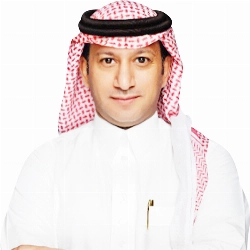
سلطان السعد القحطاني
الترفيه في السعودية.. من ترفٍ إلى رافعة حضارية
18 سبتمبر 2025 - 00:07
|
آخر تحديث 18 سبتمبر 2025 - 00:07


تابع قناة عكاظ على الواتساب
Some societies have long viewed entertainment as a luxury that can be dispensed with or even a source of superficiality, while human experience has proven that this perspective is limited. Pleasure and joy are integral parts of psychological and social balance, and they are not opposites of seriousness or productivity. In fact, successful nations recognize that entertainment is not a fleeting distraction, but one of the components of quality of life and an indicator of a vibrant society.
In Saudi Arabia, investment in entertainment is an intrinsic part of the national transformation led by Vision 2030. This transformation is not limited to building theaters or organizing festivals; it reflects a deep awareness that a cohesive society needs spaces for joy just as it needs education, health, and work. Thus, entertainment shifts from a peripheral activity to an element of a broader civilizational project that reshapes the Saudi individual's relationship with themselves and the world.
The right to happiness, although not explicitly mentioned in the Universal Declaration of Human Rights in 1948, is implicitly present within the fundamental rights: the right to life, to work, to a decent standard of living, to health and education. These rights are merely tools for achieving happiness and satisfaction. Some constitutions have gone further, such as Japan, which stipulated the "individual's right to happiness," or Bhutan, which invented the concept of "Gross National Happiness." These experiences affirm that human well-being, including entertainment, is not a luxury but a foundation for a dignified life.
However, entertainment also has a deeper political and cultural dimension related to what is known as soft power. Countries do not extend their influence solely through military might but also through the ability to persuade and attract via culture, arts, and sports. The United States has used Hollywood to export its values, South Korea has made K-pop music and television dramas a means to enhance its global presence, and India has done the same through Bollywood.
Saudi Arabia is following a similar path, but with a cultural specificity that stems from its heritage and identity. Hosting global events such as Formula 1 races, wrestling championships, and artistic and musical festivals is not merely entertainment; it is a message directed both inward and outward: inward to affirm that society deserves spaces for happiness and connection, and outward to build a new image of a country that balances authenticity and openness, investing its culture and status to shape a different global presence.
The matter does not stop at reputation or tourism attraction; it extends to building a comprehensive cultural economy. The entertainment industry opens doors for investment, creates jobs, and builds new creative sectors. In this sense, entertainment becomes part of the national economy, no less important than oil, tourism, or industry.
What is happening in Saudi Arabia today is a correction of a concept that has long been misunderstood: entertainment is not a waste of time but an investment in the individual first, in the image of the nation second, and in its soft power third. It is a redefinition of a balanced life that combines work and achievement on one hand, and joy and self-expression on the other.
In short, entertainment in Saudi Arabia is no longer a luxury. It is a civilizational lever that creates a cohesive and happy society, builds bridges with the world, and places the Kingdom at the heart of the international cultural and economic map.
In Saudi Arabia, investment in entertainment is an intrinsic part of the national transformation led by Vision 2030. This transformation is not limited to building theaters or organizing festivals; it reflects a deep awareness that a cohesive society needs spaces for joy just as it needs education, health, and work. Thus, entertainment shifts from a peripheral activity to an element of a broader civilizational project that reshapes the Saudi individual's relationship with themselves and the world.
The right to happiness, although not explicitly mentioned in the Universal Declaration of Human Rights in 1948, is implicitly present within the fundamental rights: the right to life, to work, to a decent standard of living, to health and education. These rights are merely tools for achieving happiness and satisfaction. Some constitutions have gone further, such as Japan, which stipulated the "individual's right to happiness," or Bhutan, which invented the concept of "Gross National Happiness." These experiences affirm that human well-being, including entertainment, is not a luxury but a foundation for a dignified life.
However, entertainment also has a deeper political and cultural dimension related to what is known as soft power. Countries do not extend their influence solely through military might but also through the ability to persuade and attract via culture, arts, and sports. The United States has used Hollywood to export its values, South Korea has made K-pop music and television dramas a means to enhance its global presence, and India has done the same through Bollywood.
Saudi Arabia is following a similar path, but with a cultural specificity that stems from its heritage and identity. Hosting global events such as Formula 1 races, wrestling championships, and artistic and musical festivals is not merely entertainment; it is a message directed both inward and outward: inward to affirm that society deserves spaces for happiness and connection, and outward to build a new image of a country that balances authenticity and openness, investing its culture and status to shape a different global presence.
The matter does not stop at reputation or tourism attraction; it extends to building a comprehensive cultural economy. The entertainment industry opens doors for investment, creates jobs, and builds new creative sectors. In this sense, entertainment becomes part of the national economy, no less important than oil, tourism, or industry.
What is happening in Saudi Arabia today is a correction of a concept that has long been misunderstood: entertainment is not a waste of time but an investment in the individual first, in the image of the nation second, and in its soft power third. It is a redefinition of a balanced life that combines work and achievement on one hand, and joy and self-expression on the other.
In short, entertainment in Saudi Arabia is no longer a luxury. It is a civilizational lever that creates a cohesive and happy society, builds bridges with the world, and places the Kingdom at the heart of the international cultural and economic map.