لم يعد ظهور المحامي في وسائل الإعلام ومنصات التواصل الاجتماعي مشهداً نادراً، بل أصبح ظاهرة يومية تتسابق فيها الأصوات لتفسير الأنظمة والتعليق على القضايا. وفي خضم هذا الحضور المتزايد، تتسلل اجتهادات غير دقيقة، تُقدَّم أحياناً على أنها يقين قانوني، بينما هي في الحقيقة نصوص مبتورة أو قراءات مجتزأة. ولعل الأخطر من ذلك حين يتحوّل الحديث عن العقوبات النظامية إلى مادة للتداول الإعلامي، تُذكر فيها أرقام وعقوبات بقطعيات لا تستند إلى تحقق، وكأن الحكم قد صدر سلفاً. هنا لا تتضرر المهنة وحدها، بل تتأثر ثقة المجتمع بالعدالة نفسها، حين تختلط الكلمة الإعلامية بالقرار القضائي.
وقد شدّد معالي وزير العدل رئيس مجلس إدارة الهيئة السعودية للمحامين الدكتور وليد الصمعاني، في مؤتمر المحاماة السعودي 2024، على أن أي طرح قانوني في وسائل الإعلام لن يُقبل مستقبلاً دون أساس نظامي صحيح، مبيّناً أن مثل هذه الآراء إذا كانت خاطئة أو غير دقيقة قد تؤدي إلى اهتزاز الثقة بالمهنة. وهو تأكيد رسمي على أن الضوابط الإعلامية للمحامين ليست تقييداً، بل حماية لجوهر المهنة وصوناً لثقة المجتمع في العدالة.
هذا الواقع، وإن كان يعكس تعطّش المجتمع لفهم القوانين، إلا أنه يكشف أيضاً الحاجة الملحة إلى ضوابط تُميّز بين التثقيف المسؤول والتشويش العابر. ومن هنا جاء تحرّك وزارة العدل، التي وضعت إطاراً واضحاً يوازن بين حق المحامي في التعبير وواجبه في صون المهنة وهيبتها. فالمحامي حين يتحدث في الإعلام لا يمثّل نفسه فقط، بل يقدّم صورة عن المهنة بأكملها. وإذا انزلق إلى التسرع أو البحث عن الأضواء، فإن الضرر يتجاوز سمعته الشخصية ليصيب ثقة المجتمع بالعدالة ومصداقية النص النظامي.
ويزيد من خطورة المشهد أن بعض المتدربين أو الخريجين الجدد يقدّمون أنفسهم على أنهم محامون أو مستشارون قانونيون، في حين أن هذه الألقاب لها ضوابط نظامية لا يجوز تجاوزها. هذا الخلط لا يضر فقط بالمهنة، بل يُضلل المجتمع الذي يبحث عن رأي قانوني مسؤول. كما أن استخدام لقب «مستشار قانوني» على نحو واسع من غير ترخيص أو صفة رسمية يفتح الباب أمام تضليل إعلامي يختلط فيه الرأي بالاختصاص. وفي ظل سعي البعض لإثبات حضورهم بأي وسيلة، يصبح الضبط هنا واجباً مهنياً لا مجرد خيار تنظيمي.
المجتمع يحتاج بالفعل إلى التثقيف القانوني، لكن التثقيف يختلف تماماً عن الاستعراض الإعلامي. فالتثقيف يقدّم المعرفة العامة بلغة واضحة منضبطة، أما الاستعراض فيميل إلى المبالغة أو انتقاء العقوبات لإثارة الانتباه. وهنا يظهر الدور المركزي للوزارة في أن تجعل الظهور الإعلامي أداة لبناء الوعي، لا منصة للتشويش. ومن المفيد هنا أن تُصاحب ضوابط الوزارة بعض الأدوات العملية التي تمنح الحضور الإعلامي قيمة مضافة، يمكن تلخيصها في خمس نقاط رئيسية:
1. إطلاق منصة رسمية للتوعية القانونية: تكون بإشراف خبراء معتمدين، لتقديم محتوى موثوق يُميّز التثقيف القانوني الرشيد عن الاستعراض الإعلامي العابر.
2. اعتماد مهني خاص بالظهور الإعلامي: يمنح المحامي الذي يرغب في الحضور الإعلامي شهادة موثوقة بعد اجتياز برنامج تدريبي، بما يضمن أن كلمته أمام الناس تضيف إلى الوعي العام ولا تُربك المشهد.
3. ميثاق شرف إعلامي: يلتزم فيه المحامون بعدم التطرّق للعقوبات أو القضايا المنظورة إلا وفق الضوابط، ليبقى الخطاب القانوني منضبطاً ويعكس هيبة العدالة لا سطحية الجدل.
4. ضبط استخدام الألقاب المهنية: بحيث لا يُستخدم لقب «محامٍ» أو «مستشار قانوني» إلا وفق الترخيص الرسمي من الوزارة، منعاً للخلط الذي يُضلل المجتمع ويُضعف ثقة الناس بالمهنة.
5. إبراز النماذج الملتزمة: عبر إتاحة مساحة أكبر إعلامياً للمحامين الذين يلتزمون بالضوابط، ليكونوا قدوةً في المشهد ويعيدوا التوازن المطلوب بين الحق والواجب.
إن وزارة العدل، حين وضعت هذه الضوابط، لم تضيق على المهنة، بل رفعت من مكانتها. فالمحاماة ليست مهنةً للبحث عن الأضواء، بل مهنة ذات رسالة عمادها الثقة والدقة. والظهور الإعلامي متى التزم بضوابط الحق والواجب، يصبح جسراً لتعزيز وعي المجتمع بالقانون، بدلاً من أن يكون ساحة استعراضية تُربك الناس وتشوه صورة العدالة.
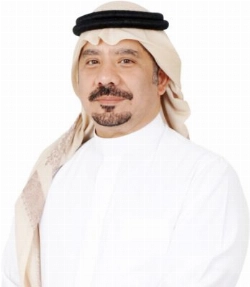
فراس طرابلسي
المحامي والإعلام.. أين ينتهي الحق ويبدأ الواجب؟
8 سبتمبر 2025 - 19:27
|
آخر تحديث 8 سبتمبر 2025 - 19:27


تابع قناة عكاظ على الواتساب
The appearance of lawyers in the media and on social media platforms is no longer a rare sight; it has become a daily phenomenon where voices compete to interpret laws and comment on cases. Amid this increasing presence, inaccurate interpretations creep in, sometimes presented as legal certainties, while in reality, they are truncated texts or selective readings. Perhaps more dangerously, when discussions about regulatory penalties turn into media fodder, figures and penalties are mentioned with certainties that lack verification, as if the judgment had been issued in advance. Here, not only does the profession suffer, but the community's trust in justice itself is affected when media discourse mixes with judicial decisions.
His Excellency the Minister of Justice and Chairman of the Board of Directors of the Saudi Bar Association, Dr. Walid Al-Samaani, emphasized at the Saudi Lawyers Conference 2024 that any legal discourse in the media will not be accepted in the future without a correct legal basis, indicating that such opinions, if incorrect or inaccurate, could lead to a loss of trust in the profession. This is an official confirmation that the media regulations for lawyers are not a restriction, but rather a protection of the essence of the profession and a safeguard for the community's trust in justice.
This reality, while reflecting the community's thirst for understanding the laws, also reveals the urgent need for regulations that distinguish between responsible education and transient confusion. Hence, the Ministry of Justice has moved to establish a clear framework that balances the lawyer's right to express themselves with their duty to uphold the profession and its dignity. When a lawyer speaks in the media, they do not represent only themselves; they present an image of the entire profession. If they slip into haste or seek the limelight, the damage extends beyond their personal reputation to undermine the community's trust in justice and the credibility of legal texts.
Compounding the seriousness of the situation is that some trainees or recent graduates present themselves as lawyers or legal consultants, whereas these titles have regulatory controls that should not be bypassed. This confusion not only harms the profession but also misleads the community that seeks responsible legal opinions. Additionally, the widespread use of the title "legal consultant" without licensing or official status opens the door to media misinformation where opinion is mixed with expertise. In light of some people's efforts to assert their presence by any means, regulation here becomes a professional duty, not merely an organizational option.
The community indeed needs legal education, but education is entirely different from media showcasing. Education provides general knowledge in a clear and disciplined language, while showcasing tends to exaggerate or cherry-pick penalties to attract attention. Here, the central role of the ministry emerges in making media appearances a tool for building awareness, not a platform for confusion. It is also beneficial for the ministry's regulations to be accompanied by some practical tools that add value to media presence, which can be summarized in five main points:
1. Launching an official platform for legal awareness: supervised by accredited experts, to provide reliable content that distinguishes responsible legal education from transient media showcasing.
2. Professional accreditation for media appearances: granting lawyers who wish to appear in the media a reliable certificate after completing a training program, ensuring that their words contribute to public awareness and do not confuse the scene.
3. Media Code of Ethics: in which lawyers commit to not addressing penalties or ongoing cases except according to regulations, keeping legal discourse disciplined and reflecting the dignity of justice rather than the superficiality of debate.
4. Regulating the use of professional titles: so that the title "lawyer" or "legal consultant" is not used except in accordance with official licensing from the ministry, preventing the confusion that misleads the community and undermines people's trust in the profession.
5. Highlighting committed role models: by providing greater media space for lawyers who adhere to the regulations, so they can serve as role models in the scene and restore the necessary balance between rights and duties.
When the Ministry of Justice established these regulations, it did not restrict the profession; rather, it elevated its status. Lawyering is not a profession for seeking the limelight, but a profession with a mission grounded in trust and accuracy. Media appearances, when adhering to the regulations of rights and duties, become a bridge to enhance the community's awareness of the law, rather than a showcase that confuses people and distorts the image of justice.
His Excellency the Minister of Justice and Chairman of the Board of Directors of the Saudi Bar Association, Dr. Walid Al-Samaani, emphasized at the Saudi Lawyers Conference 2024 that any legal discourse in the media will not be accepted in the future without a correct legal basis, indicating that such opinions, if incorrect or inaccurate, could lead to a loss of trust in the profession. This is an official confirmation that the media regulations for lawyers are not a restriction, but rather a protection of the essence of the profession and a safeguard for the community's trust in justice.
This reality, while reflecting the community's thirst for understanding the laws, also reveals the urgent need for regulations that distinguish between responsible education and transient confusion. Hence, the Ministry of Justice has moved to establish a clear framework that balances the lawyer's right to express themselves with their duty to uphold the profession and its dignity. When a lawyer speaks in the media, they do not represent only themselves; they present an image of the entire profession. If they slip into haste or seek the limelight, the damage extends beyond their personal reputation to undermine the community's trust in justice and the credibility of legal texts.
Compounding the seriousness of the situation is that some trainees or recent graduates present themselves as lawyers or legal consultants, whereas these titles have regulatory controls that should not be bypassed. This confusion not only harms the profession but also misleads the community that seeks responsible legal opinions. Additionally, the widespread use of the title "legal consultant" without licensing or official status opens the door to media misinformation where opinion is mixed with expertise. In light of some people's efforts to assert their presence by any means, regulation here becomes a professional duty, not merely an organizational option.
The community indeed needs legal education, but education is entirely different from media showcasing. Education provides general knowledge in a clear and disciplined language, while showcasing tends to exaggerate or cherry-pick penalties to attract attention. Here, the central role of the ministry emerges in making media appearances a tool for building awareness, not a platform for confusion. It is also beneficial for the ministry's regulations to be accompanied by some practical tools that add value to media presence, which can be summarized in five main points:
1. Launching an official platform for legal awareness: supervised by accredited experts, to provide reliable content that distinguishes responsible legal education from transient media showcasing.
2. Professional accreditation for media appearances: granting lawyers who wish to appear in the media a reliable certificate after completing a training program, ensuring that their words contribute to public awareness and do not confuse the scene.
3. Media Code of Ethics: in which lawyers commit to not addressing penalties or ongoing cases except according to regulations, keeping legal discourse disciplined and reflecting the dignity of justice rather than the superficiality of debate.
4. Regulating the use of professional titles: so that the title "lawyer" or "legal consultant" is not used except in accordance with official licensing from the ministry, preventing the confusion that misleads the community and undermines people's trust in the profession.
5. Highlighting committed role models: by providing greater media space for lawyers who adhere to the regulations, so they can serve as role models in the scene and restore the necessary balance between rights and duties.
When the Ministry of Justice established these regulations, it did not restrict the profession; rather, it elevated its status. Lawyering is not a profession for seeking the limelight, but a profession with a mission grounded in trust and accuracy. Media appearances, when adhering to the regulations of rights and duties, become a bridge to enhance the community's awareness of the law, rather than a showcase that confuses people and distorts the image of justice.