لم يعد الاستثمار في التعليم مجرد بند في الموازنات العامة أو إنفاق اجتماعي تقليدي، بل بات رافعة إستراتيجية تعيد تشكيل رأس المال البشري وتربطه بدورة الاقتصاد. فالتعليم اليوم يُنظر إليه كأصل استثماري طويل الأمد ومحرك رئيس للتنمية المستدامة، يحدد موقع الدول في سباق التنافسية العالمية ويعزز قدرتها على النمو في ظل التحولات التكنولوجية المتسارعة.
وقد أبرز تقرير اليونسكو العالمي لرصد التعليم (ديسمبر 2024) أن الاقتصادات التي توجه استثماراتها نحو التعليم المبتكر القائم على التكنولوجيا والشراكات البحثية تحقق معدلات أعلى من التنافسية، وتخطو بخطوات أسرع نحو التحول الوطني. وفي السياق ذاته، جاء منتدى التعليم العالمي – Education World Forum (EWF 2025)، الذي انعقد في لندن خلال الفترة من 18 إلى 21 مايو 2025، ليؤكد أن التعليم ليس تكلفة آنية، بل استثمار إستراتيجي طويل الأمد. ويُعد هذا المنتدى أكبر تجمع سنوي لوزراء التعليم وممثلي السياسات التعليمية في العالم، وقد شدّد على خطورة الفجوة التمويلية العالمية المقدّرة بنحو 97 مليار دولار، مطلقًا دعوات إلى تبنّي أدوات تمويل مبتكرة مثل التمويل المختلط، الاستثمار المؤثر، وآليات تبادل الديون، بما يسهم في تعبئة الموارد بكفاءة وفعالية.
هذا ما أدركته الدول الكبرى والاقتصادات المتقدّمة مبكراً وأثبتت التجارب التاريخية أن الاستثمار في التعليم النوعي يولّد عوائد اقتصادية تتجاوز الفرد لتشمل المجتمع بأسره. فالنماذج الآسيوية، مثل كوريا الجنوبية وسنغافورة، جعلت من التعليم بوابة رئيسة للانتقال إلى اقتصاد المعرفة، حيث ارتبطت جودة التعليم بنمو الصناعات التكنولوجية وزيادة الإنتاجية الوطنية. وفي الولايات المتحدة، أسهمت شراكات الجامعات مع القطاع الخاص في خلق منصات ابتكار كبرى، مثل وادي السيليكون، الذي أصبح نموذجًا عالميًا للاستثمار غير المباشر في التعليم.
المملكة العربية السعودية، في إطار رؤية 2030، تسير على النهج ذاته، حيث بدأت بخطوات جادة نحو ربط التعليم بالاقتصاد المعرفي، إدراكًا لدوره المحوري في تحقيق التنمية المستدامة. وقد انعكس ذلك في مجموعة من الممارسات التي جعلت من التعليم رافعة للتنمية الاقتصادية، من أبرزها برنامج الابتعاث الخارجي الذي يعد أضخم استثمار في رأس المال البشري لإكساب الكفاءات الوطنية خبرات عالمية تعود لتغذية الاقتصاد الوطني، وبرنامج «ادرس في السعودية» الذي يستقطب الطلبة الدوليين ويعزز مكانة المملكة كمركز تعليمي إقليمي. كما أن هيئة تنمية البحث والتطوير والابتكار (RDI) تمثل الذراع الإستراتيجي لربط التعليم العالي والبحث العلمي بالاقتصاد بالأولويات الوطنية في مجالات حيوية مثل الطاقة والذكاء الاصطناعي والصحة والبيئة، من خلال تحويل المعرفة إلى قيمة اقتصادية ملموسة، وضمان أن ينعكس الاستثمار في البحث والابتكار على التنمية والتنويع الاقتصادي والتنافسية العالمية.
وإلى جانب ذلك، أسهمت مبادرات دمج الذكاء الاصطناعي والبرمجة في المناهج الدراسية ابتداءً من 2025 في إعداد جيل متقن لأدوات الاقتصاد الرقمي، كما عززت المملكة دور أودية للتقنية والمراكز البحثية في تحويل الأبحاث الأكاديمية إلى ابتكارات تجارية وشركات ناشئة. كذلك توسعت في التعليم التقني والمهني وعززت الشراكات بين الجامعات والقطاع الخاص، بما يضمن أن تتحول مخرجات التعليم إلى قيمة اقتصادية مباشرة تدعم مسار التحول نحو اقتصاد قائم على المعرفة.
وبهذه السياسات، تنتقل المملكة من النظر إلى التعليم كبند إنفاق إلى اعتباره مجالًا استثماريًا إستراتيجيًا يعزز الناتج المحلي، ويغذي الاقتصاد المعرفي، ويُمكّن الأجيال القادمة من قيادة التحول الوطني.
التعليم، في جوهره، هو البنية التحتية الخفية التي تُحدد موقع الأمم على خريطة الاقتصاد العالمي. من يراه مجرد كلفة سيظل أسيراً للتحديات، أما من يعامله كأصل استثماري إستراتيجي فسيمتلك أدوات المستقبل، ويصوغ اقتصاداً قادراً على الاستدامة والنمو.
وبذلك يتضح أن الاستثمار في التعليم لا تُقاس جدواه بحجم الموارد المرصودة له بقدر ما يتوقف على جودة التنفيذ وصرامة الحوكمة في تحويل الخطط والسياسات إلى ممارسات عملية ذات أثر ملموس. فقد أثبتت التجارب الدولية أن الإنفاق وحده لا يكفي لتحقيق العوائد المنتظرة ما لم تُترجم الإستراتيجيات إلى برامج واقعية تستجيب لخصوصية النظام التعليمي واحتياجاته الوطنية. ومن هنا، فإن القيمة الحقيقية تتحقق عندما تتكامل الرؤية الوطنية مع آليات تنفيذ فعالة وأطر حوكمة صارمة، مع الاستفادة الذكية من الخبرات الدولية بوصفها مرجعًا داعمًا، لا بديلًا عن سياسات محلية تُبقي التعليم في صميم التنمية المستدامة وتؤهله ليكون استثمارًا وطنيًا طويل الأمد.

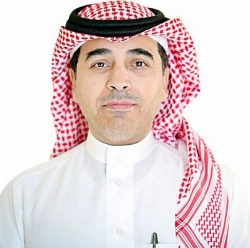
د. طريفة بنت صالح الملحم
الاستثمار في التعليم: من كلفة آنية إلى محرك للنمو المستدام
5 سبتمبر 2025 - 00:00
|
آخر تحديث 5 سبتمبر 2025 - 00:00


تابع قناة عكاظ على الواتساب
Investment in education is no longer just a line item in public budgets or traditional social spending; it has become a strategic lever that reshapes human capital and connects it to the economic cycle. Today, education is viewed as a long-term investment asset and a primary driver of sustainable development, determining countries' positions in the global competitiveness race and enhancing their ability to grow amid rapid technological transformations.
The Global Education Monitoring Report by UNESCO (December 2024) highlighted that economies directing their investments towards innovative, technology-based education and research partnerships achieve higher competitiveness rates and take faster steps towards national transformation. In this context, the Education World Forum (EWF 2025), held in London from May 18 to 21, 2025, emphasized that education is not a current cost but a long-term strategic investment. This forum is the largest annual gathering of education ministers and educational policy representatives worldwide, and it stressed the seriousness of the global funding gap estimated at around $97 billion, calling for the adoption of innovative financing tools such as blended finance, impact investing, and debt swap mechanisms to help mobilize resources efficiently and effectively.
This understanding was recognized early on by major countries and advanced economies, and historical experiences have shown that investing in quality education generates economic returns that extend beyond the individual to encompass the entire community. Asian models, such as South Korea and Singapore, have made education a primary gateway to transitioning to a knowledge economy, where the quality of education is linked to the growth of technology industries and increased national productivity. In the United States, partnerships between universities and the private sector have contributed to the creation of major innovation platforms, such as Silicon Valley, which has become a global model for indirect investment in education.
The Kingdom of Saudi Arabia, as part of Vision 2030, is following the same path, having taken serious steps towards linking education with the knowledge economy, recognizing its pivotal role in achieving sustainable development. This is reflected in a range of practices that have made education a lever for economic development, most notably the external scholarship program, which is the largest investment in human capital to equip national competencies with global experiences that return to nourish the national economy, and the "Study in Saudi Arabia" program, which attracts international students and enhances the Kingdom's position as a regional educational hub. Additionally, the Research, Development, and Innovation Authority (RDI) represents the strategic arm linking higher education and scientific research to the economy with national priorities in vital areas such as energy, artificial intelligence, health, and the environment, by transforming knowledge into tangible economic value and ensuring that investment in research and innovation reflects on development, economic diversification, and global competitiveness.
Moreover, initiatives to integrate artificial intelligence and programming into curricula starting in 2025 have contributed to preparing a generation proficient in digital economy tools. The Kingdom has also strengthened the role of technology valleys and research centers in transforming academic research into commercial innovations and startups. It has expanded technical and vocational education and enhanced partnerships between universities and the private sector, ensuring that educational outputs translate into direct economic value that supports the transition towards a knowledge-based economy.
Through these policies, the Kingdom is shifting from viewing education as an expenditure item to considering it a strategic investment area that enhances GDP, nourishes the knowledge economy, and empowers future generations to lead national transformation.
Education, at its core, is the hidden infrastructure that determines nations' positions on the global economic map. Those who see it merely as a cost will remain captive to challenges, while those who treat it as a strategic investment asset will possess the tools of the future and shape an economy capable of sustainability and growth.
Thus, it becomes clear that the value of investing in education is not measured by the size of the resources allocated to it but rather depends on the quality of implementation and the rigor of governance in translating plans and policies into practical actions with tangible impact. International experiences have proven that spending alone is insufficient to achieve the expected returns unless strategies are translated into realistic programs that respond to the specificities of the educational system and its national needs. Hence, true value is realized when the national vision integrates with effective implementation mechanisms and strict governance frameworks, while intelligently leveraging international experiences as a supportive reference, rather than a substitute for local policies that keep education at the heart of sustainable development and qualify it to be a long-term national investment.
The Global Education Monitoring Report by UNESCO (December 2024) highlighted that economies directing their investments towards innovative, technology-based education and research partnerships achieve higher competitiveness rates and take faster steps towards national transformation. In this context, the Education World Forum (EWF 2025), held in London from May 18 to 21, 2025, emphasized that education is not a current cost but a long-term strategic investment. This forum is the largest annual gathering of education ministers and educational policy representatives worldwide, and it stressed the seriousness of the global funding gap estimated at around $97 billion, calling for the adoption of innovative financing tools such as blended finance, impact investing, and debt swap mechanisms to help mobilize resources efficiently and effectively.
This understanding was recognized early on by major countries and advanced economies, and historical experiences have shown that investing in quality education generates economic returns that extend beyond the individual to encompass the entire community. Asian models, such as South Korea and Singapore, have made education a primary gateway to transitioning to a knowledge economy, where the quality of education is linked to the growth of technology industries and increased national productivity. In the United States, partnerships between universities and the private sector have contributed to the creation of major innovation platforms, such as Silicon Valley, which has become a global model for indirect investment in education.
The Kingdom of Saudi Arabia, as part of Vision 2030, is following the same path, having taken serious steps towards linking education with the knowledge economy, recognizing its pivotal role in achieving sustainable development. This is reflected in a range of practices that have made education a lever for economic development, most notably the external scholarship program, which is the largest investment in human capital to equip national competencies with global experiences that return to nourish the national economy, and the "Study in Saudi Arabia" program, which attracts international students and enhances the Kingdom's position as a regional educational hub. Additionally, the Research, Development, and Innovation Authority (RDI) represents the strategic arm linking higher education and scientific research to the economy with national priorities in vital areas such as energy, artificial intelligence, health, and the environment, by transforming knowledge into tangible economic value and ensuring that investment in research and innovation reflects on development, economic diversification, and global competitiveness.
Moreover, initiatives to integrate artificial intelligence and programming into curricula starting in 2025 have contributed to preparing a generation proficient in digital economy tools. The Kingdom has also strengthened the role of technology valleys and research centers in transforming academic research into commercial innovations and startups. It has expanded technical and vocational education and enhanced partnerships between universities and the private sector, ensuring that educational outputs translate into direct economic value that supports the transition towards a knowledge-based economy.
Through these policies, the Kingdom is shifting from viewing education as an expenditure item to considering it a strategic investment area that enhances GDP, nourishes the knowledge economy, and empowers future generations to lead national transformation.
Education, at its core, is the hidden infrastructure that determines nations' positions on the global economic map. Those who see it merely as a cost will remain captive to challenges, while those who treat it as a strategic investment asset will possess the tools of the future and shape an economy capable of sustainability and growth.
Thus, it becomes clear that the value of investing in education is not measured by the size of the resources allocated to it but rather depends on the quality of implementation and the rigor of governance in translating plans and policies into practical actions with tangible impact. International experiences have proven that spending alone is insufficient to achieve the expected returns unless strategies are translated into realistic programs that respond to the specificities of the educational system and its national needs. Hence, true value is realized when the national vision integrates with effective implementation mechanisms and strict governance frameworks, while intelligently leveraging international experiences as a supportive reference, rather than a substitute for local policies that keep education at the heart of sustainable development and qualify it to be a long-term national investment.