بلغ الأمير محمد بن سلمان عامه الأربعين قبل يومين، لكن الأثر الذي تركه في السياسة السعودية والعربية والدولية يبدو أكبر من العمر وأوسع من التوقعات. لقد واجه تحديات متراكمة منذ عقود، وقرر أن يقفز بالسعودية إلى ما وراء الشرق المتعب والمثقل بالأزمات، ليضعها في مصاف الدول المؤثرة عالمياً.
منذ اللحظة الأولى، لم يعد اسم السعودية يرتبط فقط بكونها دولة مركزية في الشرق الأوسط، بل باتت منافساً عالمياً حقيقياً، ذات مصداقية سياسية وحضور وازن في الملفات الكبرى.
داخلياً، خاض الأمير معركة شرسة مع التشدّد الذي سيطر على المجتمع لعقود. كثيرون، وأنا منهم، كانوا يعتقدون أن التخلص من إرث التشدّد سيحتاج إلى عشر سنوات أو أكثر، لكننا فوجئنا بقدرة هذا الرجل على إنجاز المهمة في وقت أقصر وبأسلوب حاسم.
الكمال صفة إلهية، لكن الإصلاح وتطوير الأفكار من خصال البشر الشجعان. ومحمد بن سلمان اختار أن يكون في مقدمة هؤلاء، لا يكتفي بإدارة دولة مترامية الأطراف، بل يقود مشروعاً نهضوياً شاملاً يعيد تشكيل ملامح السعودية الحديثة.
تحت قيادته تغيّرت حياة ملايين السعوديات اللواتي دخلن سوق العمل والفضاء العام بكامل حقوقهن. لم يعد المستقبل السعودي غامضاً، بل صار مفتوحاً على احتمالات رحبة، بمشاريع عملاقة مثل «نيوم» و«رؤية 2030»، التي رسّخت فكرة أن التنمية ليست مجرد خطط ورقية، بل رؤية متكاملة تصنعها الإرادة.
لكن ما فعله الأمير محمد لا يقتصر على الداخل. ففكره السياسي ترك أثراً عميقاً في العالم العربي. لقد بدّد الصورة التقليدية عن الخليج بوصفه تابعاً أو متأخراً عن النماذج الأخرى. غيّر الفكرة اليسارية العربية التي طالما صوّرت الحداثة باعتبارها شأناً غربياً بعيداً عن ثقافتنا، وقلب المعادلة بإظهار أن الخليج قادر على إنتاج نموذج تنموي وسياسي مستقل وفاعل.
الأمير محمد بن سلمان أنهى عملياً ما يعرف بمرحلة «الصحوة»، التي حاولت عسكرة رجال الدين وتحزيبهم، فأضعفت المجتمعات وأربكت استقرارها. اليوم، أعاد الأمير الاعتبار لفكرة الدولة الوطنية السعودية الكبرى، التي تضع مصالح مواطنيها في المقام الأول وتمنحهم شعوراً بالانتماء لمشروع حضاري جديد.
واحدة من أبرز سمات نهج الأمير هي النفحة «الشركاتية» في الإدارة، حيث لم يعد مسموحاً للبيروقراطية أن تقتل المشاريع، بل صارت الحكومة تعمل بعقلية القطاع الخاص، تركّز على النتائج والسرعة والكفاءة. هذه الروح هي التي جعلت من مشاريع كبرى مثل «القدية» و«البحر الأحمر» و«ذا لاين» واقعاً يتشكّل على الأرض، لا مجرد أحلام في المخططات.
أما على المستوى الدولي، فقد ربح الأمير محمد بن سلمان احترام العالم؛ لأنه بدأ الإصلاح من الداخل وبالمسؤولين الكبار. حين طالت يد المحاسبة شخصيات نافذة كانت تعد عصية على المساءلة، أدرك العالم أن الرجل جاد، وأنه يملك الشجاعة ليفعل ما لم يفعله أحد قبله. هذه المصداقية هي التي جعلت السعودية لاعباً صعباً في السياسة العالمية، سواء في أسواق الطاقة أو في الملفات الأمنية أو في المبادرات الإنسانية.
في عيد ميلاده الأربعين، يبدو الأمير محمد بن سلمان رمزاً لجيل كامل يؤمن أن السعودية تستحق مكانها بين الكبار. مشروعه ليس مجرد رؤية اقتصادية، بل نهضة شاملة تعزز فكر الحداثة والتجديد، وتعيد إلى المنطقة ثقتها بنفسها.
الرمز السري لبوابة المستقبل السعودية صار عنواناً لمرحلة تاريخية جديدة ستذكرها الأجيال.
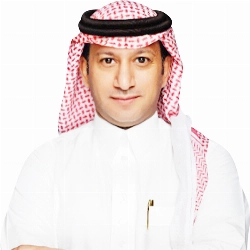
سلطان السعد القحطاني
محمد بن سلمان.. تحية إلى الرجل الشجاع
4 سبتمبر 2025 - 00:09
|
آخر تحديث 4 سبتمبر 2025 - 00:09


تابع قناة عكاظ على الواتساب
Prince Mohammed bin Salman celebrated his fortieth birthday two days ago, but the impact he has made on Saudi, Arab, and international politics seems greater than his age and broader than expectations. He has faced accumulated challenges for decades and decided to leap Saudi Arabia beyond the weary East burdened by crises, placing it among the influential countries globally.
From the very first moment, the name Saudi Arabia is no longer associated solely with being a central state in the Middle East; it has become a true global competitor, with political credibility and a significant presence in major issues.
Internally, the prince has fought a fierce battle against the extremism that has dominated society for decades. Many, including myself, believed that ridding the country of the legacy of extremism would take ten years or more, but we were surprised by this man's ability to accomplish the task in a shorter time and with a decisive approach.
Perfection is a divine attribute, but reform and the development of ideas are qualities of brave humans. Mohammed bin Salman chose to be at the forefront of these individuals, not content with managing a sprawling state, but leading a comprehensive renaissance project that reshapes the features of modern Saudi Arabia.
Under his leadership, the lives of millions of Saudi women have changed as they entered the labor market and public space with full rights. The Saudi future is no longer ambiguous; it has become open to vast possibilities, with giant projects like "NEOM" and "Vision 2030," which have solidified the idea that development is not just paper plans, but an integrated vision shaped by will.
However, what Prince Mohammed has done is not limited to the domestic front. His political thought has left a profound impact on the Arab world. He has dispelled the traditional image of the Gulf as subordinate or lagging behind other models. He changed the Arab leftist idea that has long portrayed modernity as a Western affair distant from our culture, flipping the equation by showing that the Gulf is capable of producing an independent and effective developmental and political model.
Prince Mohammed bin Salman has practically ended what is known as the "Awakening" phase, which attempted to militarize and politicize religious figures, weakening societies and confusing their stability. Today, the prince has restored the concept of a great Saudi national state that prioritizes the interests of its citizens and gives them a sense of belonging to a new civilizational project.
One of the most prominent features of the prince's approach is the "corporate" touch in management, where bureaucracy is no longer allowed to kill projects; instead, the government operates with a private sector mentality, focusing on results, speed, and efficiency. This spirit is what has made major projects like "Qiddiya," "The Red Sea," and "The Line" a reality taking shape on the ground, not just dreams in plans.
On the international level, Prince Mohammed bin Salman has earned the world's respect because he started reform from within and with senior officials. When accountability reached influential figures who were considered untouchable, the world realized that the man is serious and has the courage to do what no one before him had done. This credibility is what has made Saudi Arabia a tough player in global politics, whether in energy markets, security issues, or humanitarian initiatives.
On his fortieth birthday, Prince Mohammed bin Salman appears as a symbol of an entire generation that believes Saudi Arabia deserves its place among the greats. His project is not just an economic vision, but a comprehensive renaissance that enhances the spirit of modernity and renewal, restoring the region's confidence in itself.
The secret symbol of the Saudi future gateway has become a title for a new historical phase that generations will remember.
From the very first moment, the name Saudi Arabia is no longer associated solely with being a central state in the Middle East; it has become a true global competitor, with political credibility and a significant presence in major issues.
Internally, the prince has fought a fierce battle against the extremism that has dominated society for decades. Many, including myself, believed that ridding the country of the legacy of extremism would take ten years or more, but we were surprised by this man's ability to accomplish the task in a shorter time and with a decisive approach.
Perfection is a divine attribute, but reform and the development of ideas are qualities of brave humans. Mohammed bin Salman chose to be at the forefront of these individuals, not content with managing a sprawling state, but leading a comprehensive renaissance project that reshapes the features of modern Saudi Arabia.
Under his leadership, the lives of millions of Saudi women have changed as they entered the labor market and public space with full rights. The Saudi future is no longer ambiguous; it has become open to vast possibilities, with giant projects like "NEOM" and "Vision 2030," which have solidified the idea that development is not just paper plans, but an integrated vision shaped by will.
However, what Prince Mohammed has done is not limited to the domestic front. His political thought has left a profound impact on the Arab world. He has dispelled the traditional image of the Gulf as subordinate or lagging behind other models. He changed the Arab leftist idea that has long portrayed modernity as a Western affair distant from our culture, flipping the equation by showing that the Gulf is capable of producing an independent and effective developmental and political model.
Prince Mohammed bin Salman has practically ended what is known as the "Awakening" phase, which attempted to militarize and politicize religious figures, weakening societies and confusing their stability. Today, the prince has restored the concept of a great Saudi national state that prioritizes the interests of its citizens and gives them a sense of belonging to a new civilizational project.
One of the most prominent features of the prince's approach is the "corporate" touch in management, where bureaucracy is no longer allowed to kill projects; instead, the government operates with a private sector mentality, focusing on results, speed, and efficiency. This spirit is what has made major projects like "Qiddiya," "The Red Sea," and "The Line" a reality taking shape on the ground, not just dreams in plans.
On the international level, Prince Mohammed bin Salman has earned the world's respect because he started reform from within and with senior officials. When accountability reached influential figures who were considered untouchable, the world realized that the man is serious and has the courage to do what no one before him had done. This credibility is what has made Saudi Arabia a tough player in global politics, whether in energy markets, security issues, or humanitarian initiatives.
On his fortieth birthday, Prince Mohammed bin Salman appears as a symbol of an entire generation that believes Saudi Arabia deserves its place among the greats. His project is not just an economic vision, but a comprehensive renaissance that enhances the spirit of modernity and renewal, restoring the region's confidence in itself.
The secret symbol of the Saudi future gateway has become a title for a new historical phase that generations will remember.