في فضاء الإعلام الجديد، وتحديداً على منصات التواصل الاجتماعي، تتجلى واحدة من أشرس المعارك الفكرية والسياسية التي تواجه المملكة العربية السعودية.
فالمغرد السعودي لم يعد مجرد فرد عادي يعبّر عن رأيه، بل أصبح لاعباً أساسياً في تشكيل الرأي العام، وواجهة وطنية تعكس ثبات الهوية ووحدة الصف.
ومنذ سنوات، حاولت حملات منظمة وممولة من جهات خارجية بثّ الفرقة والانقسام بين المغردين السعوديين، عبر أساليب متنوّعة تتراوح بين إثارة الخلافات الداخلية وصناعة الحسابات الوهمية وتمرير الروايات المضللة.
غير أنّ هذه المحاولات باءت بالفشل، إذ أثبت المغرد السعودي أنّ وعيه الجمعي أقوى من أن يُخترق، وأن انتماءه الوطني أعمق من أن يُزعزع.
حين عجزت هذه الجهات عن شق الصفوف بين المغردين السعوديين، انتقلت إلى مرحلة أكثر خطورة: استهداف الرموز الوطنية والشخصيات المؤثرة، فالهجوم على الرموز لا يهدف إلى تشويه أفراد بعينهم بقدر ما يسعى إلى ضرب المعنى الرمزي الذي يمثلونه، وتشكيك المجتمع في قدواته، وإحداث فراغ في مساحة التأثير.
إنها محاولة لاستهداف الثقة بين الشعب وقادته، وبين المجتمع ونخبه الفكرية والإعلامية والاجتماعية.
ومن هنا نفهم أن الحملات الأخيرة على شخصيات مؤثرة سعودية لم تكن عفوية، بل جزء من سردية مدروسة لتقويض الروح المعنوية للمغردين السعوديين وإضعاف جدار الثبات الوطني.
يعتمد المهاجمون على مجموعة من الأدوات التي تكشف بوضوح عن طابعهم المنظم، فهم يوظفون شبكات حسابات وهمية تبثّ الأكاذيب وتعيد تدوير الشائعات، ويستخدمون خطاباً متناقضاً يجمع بين المبالغة في التمجيد حين يخدم أجندتهم، والمبالغة في التجريح المفرط حين يقفون في صف الدفاع عن المملكة. كما يحاولون إظهار هجومهم على الرموز وكأنه «نقد موضوعي»، أو «مشاكل شخصية»، بينما هو في الحقيقة إساءة مقنّعة تهدف إلى كسر الهيبة الوطنية وزعزعة مكانة الشخصيات التي تحظى بثقة واسعة.
والأخطر أنّ هذه الحملات تُصاغ غالباً بلسان عربي أو بأسماء سعودية مزيفة، في محاولة لإيهام المتابع أن النقد صادر من الداخل، وأنه انعكاس «لحالة شعبية»، بينما هو في الحقيقة سيناريو يدار من الخارج ويُموَّل بأدوات إعلامية مشبوهة.
غير أنّ الوعي السعودي، شعباً وقيادةً، كان ولا يزال وسيبقى الدرع الحصين في مواجهة هذه الحملات، فالمواطن السعودي بات قادراً على التمييز بين النقد البنّاء الذي يصدر من داخل المجتمع بدافع الإصلاح، وبين النقد الموجّه الذي تُحركه أطراف معادية. كما أنّ المجتمع أدرك أن الرموز والشخصيات الوطنية المؤثرة لا تُهاجم لأنها ضعيفة؛ بل لأنها قوية وفاعلة وتمثل صوتاً وطنياً مسموعاً في الداخل والخارج.
لقد شهدنا، مراراً، كيف تتحول محاولات الإساءة إلى فرصة لزيادة الالتفاف الشعبي حول هذه الرموز، وكيف يُترجم التضامن الشعبي إلى رسائل مباشرة للخصوم مفادها: «إن هجومكم يزيدنا وحدة» وهذا ما يجعل الحملات المعادية تعود بالخسارة على أصحابها، إذ يكشفون نواياهم العدائية دون أن يحققوا أهدافهم.
الهجوم على الرموز لا ينفصل عن السياق الإستراتيجي الأشمل لمشاريع زعزعة استقرار المنطقة، فالمملكة العربية السعودية تمثل اليوم حجر الزاوية في استقرار الشرق الأوسط، وقوة صاعدة على المستويين الاقتصادي والسياسي. ومن الطبيعي أن تكون عُرضة لمحاولات استهداف إعلامي ونفسي يهدف إلى تشويه صورتها داخلياً وخارجياً.
إن استهداف الشخصيات السعودية المؤثرة هو في جوهره استهداف للرسالة السعودية ذاتها، وللدور المتنامي الذي تلعبه المملكة في صناعة القرار العالمي، فحين يُهاجَم المغرد الوطني البارز أو الإعلامي المؤثر أو رجل الدولة، فإن المستهدف ليس الفرد بحد ذاته، بل صورة المملكة التي يحملها ويمثلها.
لقد فشلوا في تفريق المغردين السعوديين، فتحولوا إلى مهاجمة رموزهم وشخصياتهم المؤثرة.
لكن هذا التحول يكشف عن ضعف لا عن قوة، وعن يأس لا عن إستراتيجية ناجحة، فالمغرد السعودي اليوم أكثر وعياً وصلابة من أي وقت مضى، والرموز السعودية أكثر ثباتاً وحضوراً في وجدان المجتمع.
إن معركة الوعي ليست معركة حسابات وهمية أو مقالات مأجورة، بل معركة قيم وهوية وانتماء، وفي هذه المعركة، أثبت السعوديون أن وعيهم هو السلاح الأقوى، وأن رموزهم باقية ما بقيت رسالتهم الوطنية، وأن أي محاولة للنيل منهم ستتحول إلى شاهد جديد على صلابة هذا الوطن ووحدة شعبه خلف قيادته.
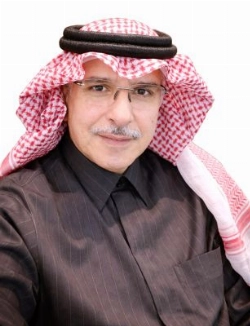
عبداللطيف آل الشيخ
لم يتمكنوا من تفريق المغردين السعوديين فاتجهوا لمهاجمة رموزهم
24 أغسطس 2025 - 00:10
|
آخر تحديث 24 أغسطس 2025 - 00:10


تابع قناة عكاظ على الواتساب
In the realm of new media, specifically on social media platforms, one of the fiercest intellectual and political battles facing the Kingdom of Saudi Arabia is unfolding.
The Saudi tweeter is no longer just an ordinary individual expressing an opinion; they have become a key player in shaping public opinion and a national front that reflects the steadfastness of identity and unity of purpose.
For years, organized and funded campaigns from external entities have attempted to sow discord and division among Saudi tweeters, using various methods ranging from stirring internal disputes to creating fake accounts and disseminating misleading narratives.
However, these attempts have failed, as the Saudi tweeter has proven that their collective awareness is too strong to be breached, and their national belonging is too deep to be shaken.
When these entities failed to divide the ranks among Saudi tweeters, they moved to a more dangerous phase: targeting national symbols and influential figures. The attack on symbols is not aimed at tarnishing specific individuals as much as it seeks to undermine the symbolic meaning they represent, instill doubt in the community about its role models, and create a vacuum in the sphere of influence.
This is an attempt to undermine the trust between the people and their leaders, and between the community and its intellectual, media, and social elites.
From this, we understand that the recent campaigns against influential Saudi figures were not spontaneous; rather, they are part of a calculated narrative aimed at undermining the morale of Saudi tweeters and weakening the wall of national steadfastness.
The attackers rely on a set of tools that clearly reveal their organized nature. They employ networks of fake accounts that spread lies and recycle rumors, and they use a contradictory discourse that oscillates between exaggeration in praise when it serves their agenda and excessive criticism when they stand in defense of the Kingdom. They also attempt to present their attacks on symbols as if they are "objective criticism" or "personal issues," while in reality, it is a veiled insult aimed at breaking national dignity and destabilizing the status of figures who enjoy wide trust.
What is more dangerous is that these campaigns are often crafted in Arabic or under fake Saudi names, in an attempt to mislead followers into believing that the criticism comes from within, and that it reflects a "popular sentiment," while in reality, it is a scenario managed from abroad and funded by dubious media tools.
However, Saudi awareness, both among the people and the leadership, has been, and will continue to be, the strong shield against these campaigns. The Saudi citizen has become capable of distinguishing between constructive criticism that comes from within the community out of a desire for reform, and directed criticism driven by hostile parties. The community has also realized that influential national symbols and figures are not attacked because they are weak; rather, it is because they are strong, effective, and represent a national voice that is heard both domestically and internationally.
We have repeatedly witnessed how attempts to insult turn into opportunities to increase popular support around these symbols, and how popular solidarity translates into direct messages to adversaries stating: "Your attack increases our unity." This is what causes hostile campaigns to backfire on their perpetrators, as they reveal their hostile intentions without achieving their goals.
The attack on symbols is inseparable from the broader strategic context of projects aimed at destabilizing the region. The Kingdom of Saudi Arabia today represents the cornerstone of stability in the Middle East and an emerging power on both economic and political levels. It is natural for it to be subjected to attempts of media and psychological targeting aimed at distorting its image both internally and externally.
Targeting influential Saudi figures is, at its core, an attack on the Saudi message itself and the growing role that the Kingdom plays in global decision-making. When a prominent national tweeter, influential media figure, or statesman is attacked, the target is not the individual per se, but rather the image of the Kingdom that they carry and represent.
They have failed to divide Saudi tweeters, so they have turned to attacking their symbols and influential figures.
But this shift reveals weakness, not strength, and despair, not a successful strategy. The Saudi tweeter today is more aware and resilient than ever, and Saudi symbols are more steadfast and present in the community's consciousness.
The battle of awareness is not a battle of fake accounts or paid articles; it is a battle of values, identity, and belonging. In this battle, Saudis have proven that their awareness is the strongest weapon, that their symbols will endure as long as their national message remains, and that any attempt to undermine them will turn into new evidence of the resilience of this nation and the unity of its people behind their leadership.
The Saudi tweeter is no longer just an ordinary individual expressing an opinion; they have become a key player in shaping public opinion and a national front that reflects the steadfastness of identity and unity of purpose.
For years, organized and funded campaigns from external entities have attempted to sow discord and division among Saudi tweeters, using various methods ranging from stirring internal disputes to creating fake accounts and disseminating misleading narratives.
However, these attempts have failed, as the Saudi tweeter has proven that their collective awareness is too strong to be breached, and their national belonging is too deep to be shaken.
When these entities failed to divide the ranks among Saudi tweeters, they moved to a more dangerous phase: targeting national symbols and influential figures. The attack on symbols is not aimed at tarnishing specific individuals as much as it seeks to undermine the symbolic meaning they represent, instill doubt in the community about its role models, and create a vacuum in the sphere of influence.
This is an attempt to undermine the trust between the people and their leaders, and between the community and its intellectual, media, and social elites.
From this, we understand that the recent campaigns against influential Saudi figures were not spontaneous; rather, they are part of a calculated narrative aimed at undermining the morale of Saudi tweeters and weakening the wall of national steadfastness.
The attackers rely on a set of tools that clearly reveal their organized nature. They employ networks of fake accounts that spread lies and recycle rumors, and they use a contradictory discourse that oscillates between exaggeration in praise when it serves their agenda and excessive criticism when they stand in defense of the Kingdom. They also attempt to present their attacks on symbols as if they are "objective criticism" or "personal issues," while in reality, it is a veiled insult aimed at breaking national dignity and destabilizing the status of figures who enjoy wide trust.
What is more dangerous is that these campaigns are often crafted in Arabic or under fake Saudi names, in an attempt to mislead followers into believing that the criticism comes from within, and that it reflects a "popular sentiment," while in reality, it is a scenario managed from abroad and funded by dubious media tools.
However, Saudi awareness, both among the people and the leadership, has been, and will continue to be, the strong shield against these campaigns. The Saudi citizen has become capable of distinguishing between constructive criticism that comes from within the community out of a desire for reform, and directed criticism driven by hostile parties. The community has also realized that influential national symbols and figures are not attacked because they are weak; rather, it is because they are strong, effective, and represent a national voice that is heard both domestically and internationally.
We have repeatedly witnessed how attempts to insult turn into opportunities to increase popular support around these symbols, and how popular solidarity translates into direct messages to adversaries stating: "Your attack increases our unity." This is what causes hostile campaigns to backfire on their perpetrators, as they reveal their hostile intentions without achieving their goals.
The attack on symbols is inseparable from the broader strategic context of projects aimed at destabilizing the region. The Kingdom of Saudi Arabia today represents the cornerstone of stability in the Middle East and an emerging power on both economic and political levels. It is natural for it to be subjected to attempts of media and psychological targeting aimed at distorting its image both internally and externally.
Targeting influential Saudi figures is, at its core, an attack on the Saudi message itself and the growing role that the Kingdom plays in global decision-making. When a prominent national tweeter, influential media figure, or statesman is attacked, the target is not the individual per se, but rather the image of the Kingdom that they carry and represent.
They have failed to divide Saudi tweeters, so they have turned to attacking their symbols and influential figures.
But this shift reveals weakness, not strength, and despair, not a successful strategy. The Saudi tweeter today is more aware and resilient than ever, and Saudi symbols are more steadfast and present in the community's consciousness.
The battle of awareness is not a battle of fake accounts or paid articles; it is a battle of values, identity, and belonging. In this battle, Saudis have proven that their awareness is the strongest weapon, that their symbols will endure as long as their national message remains, and that any attempt to undermine them will turn into new evidence of the resilience of this nation and the unity of its people behind their leadership.