لا تزال نخبة من الجامعات السعودية تتقدّم وتسجّل أرقاماً قياسية في التصنيفات العالمية، ولا تزال هذه الجامعات تحقق إنجازات علمية مهمة، تحديداً في مجالات البحث العلمي والابتكار. فقد حققت جامعة الملك عبدالعزيز وجامعة الملك سعود وجامعة الملك فيصل وجامعة الملك فهد وجامعة الملك عبدالله أرقاماً وإنجازات ولا تزال تسجل المزيد من النجاحات حسب التصنيفات العالمية.
في المقابل هناك ما يقارب 40 جامعة سعودية (حكومية وخاصة) خارج دائرة المنافسات العالمية أو شبه خارجة عن المنافسات ويقتصر دورها على التدريس وتخريج الطلبة والطالبات فقط. بل إن أغلب جامعات المناطق ليس لها منافس؛ لأنها الوحيدة في المنطقة التي تتواجد فيها، وتكتفي بطلاب المنطقة.
موضوع الهوية الأكاديمية البحثية المتميّزة لكل جامعة سعودية حكومية ليس ترفاً ووجاهةً اجتماعيةً، فالمجتمع المحلي والمؤسسات تجاوزت ثقافة الكم وتجاوزت ثقافة النوع، وهي الآن في مرحلة قياس الأثر. ولا يجوز أن تبقى الغالبية من جامعاتنا منعزلة بذاتها وتتسبّب بعزل أساتذتها ومنسوبيها وطلابها عن دوائر المنافسة.
إن تحديد الهوية الأكاديمية البحثية لكل جامعة حكومية سعودية يتطلب وقفة وقراراً عاجلاً وحاسماً ليس على مستوى الجامعة وحدها، وليس على مستوى الوزارة، مع كل الاحترام والتقدير لمقام الوزارة ولكل الجامعات، لكن هذا القرار في تصوري لا بد أن تتم دراسته ومراجعته وتقييمه واتخاذ القرارات بشأنه في مجلس الشؤون الاقتصادية والتنمية، لما له من أهمية على الحراك الأكاديمي والبحثي وصناعة الابتكار مباشرة ولانعكاساته العلمية والاقتصادية والتنموية والاستثمارية على مستهدفات رؤية المملكة 2023 والنهضة الشاملة التي تعيشها المملكة ككل.
أرى أن يتم تحديد هوية كل جامعة سعودية لم تستطع حتى الآن أن تبني أو تحدد وتصنع هويتها الأكاديمية-البحثية، وفقاً لاعتبارات منها مجتمع الجامعة وسوقها المستهدف، فجامعات المناطق لا بد أن تتبنى كل جامعة اقتصاد المنطقة التي تتواجد فيها. فالمنطقة الزراعية لا بد أن تتشكّل هوية جامعتها بالصبغة الزراعية، وكذلك المنطقة السياحية والصناعية والتقنية والبترولية والمعادن والغاز وكذلك المشاعر. وهذا لا يلغي بطبيعة الحال التخصصات الأخرى للجامعة التي يتطلبها السوق، لكنها تكون ضمن نطاق هوية الجامعة.
هناك بعد آخر أراه جوهرياً في صناعة الهوية الأكاديمي-البحثية للجامعة، وهو الأهداف السبعة عشر للتنمية المستدامة أو أهمها. هذه الأهداف تشمل مختلف القطاعات والاهتمامات البشرية، ولا بد أن يكون لدينا مرجعيات علمية أكاديمية-بحثية تتخذ فيه كل جامعة هدفاً من أهداف التنمية هوية ومرجعية لهذا الهدف، وهذا لا يتناقض مع الاقتصاد المحلي الذي تعمل فيه الجامعة وتستهدفه في هويتها، بمعنى آخر، يمكن أن تجمع كل جامعة في صناعتها لهويتها بين السوق المحلي المستهدف لها والهدف التنموي المناسب لهويتها العلمية الأكاديمية البحثية.

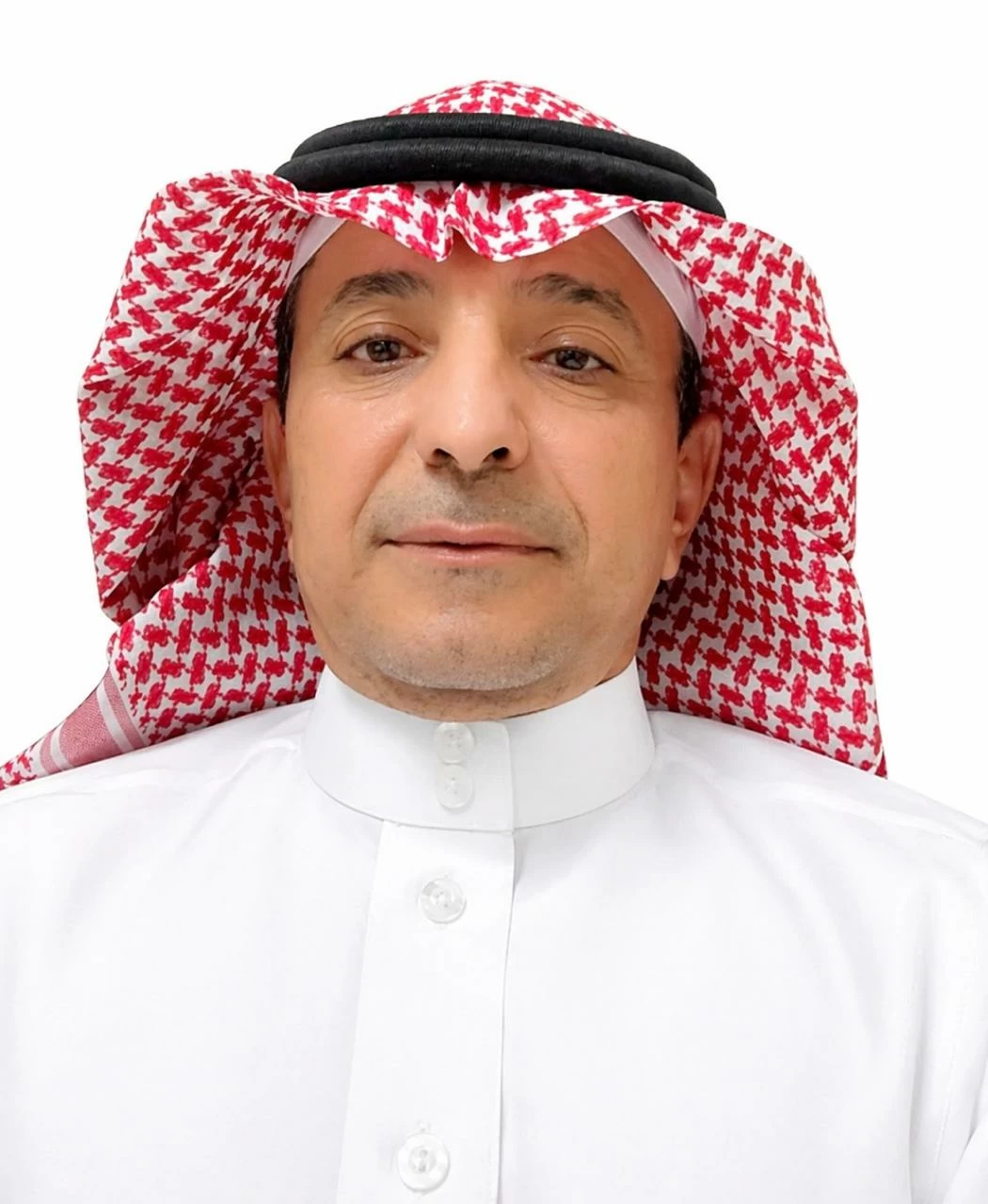
عبداللطيف الضويحي
أهداف التنمية الـ17 وصناعة هويات جامعاتنا أكاديمياً
19 أغسطس 2025 - 00:08
|
آخر تحديث 19 أغسطس 2025 - 00:08


تابع قناة عكاظ على الواتساب
A select group of Saudi universities continues to advance and record record numbers in global rankings, and these universities are still achieving significant scientific accomplishments, particularly in the fields of scientific research and innovation. King Abdulaziz University, King Saud University, King Faisal University, King Fahd University, and King Abdullah University have achieved remarkable numbers and accomplishments and continue to record more successes according to global rankings.
On the other hand, there are approximately 40 Saudi universities (public and private) that are outside the realm of global competition or are somewhat outside of it, limiting their role to teaching and graduating students only. In fact, most universities in the regions have no competitors; they are the only ones in their respective areas and rely solely on local students.
The topic of a distinguished academic research identity for each public Saudi university is not a luxury or a social status; the local community and institutions have moved beyond a culture of quantity and have surpassed a culture of quality, and they are now in a phase of measuring impact. The majority of our universities should not remain isolated and cause their faculty, staff, and students to be disconnected from competitive circles.
Defining the academic research identity for each public Saudi university requires a decisive and urgent stance, not only at the university level but also at the ministry level, with all due respect and appreciation for the ministry and all universities. However, in my view, this decision must be studied, reviewed, evaluated, and made in the Economic and Development Affairs Council, due to its importance for academic and research movement and innovation directly, as well as its scientific, economic, developmental, and investment implications on the objectives of Saudi Vision 2023 and the comprehensive renaissance that the Kingdom is experiencing as a whole.
I believe that the identity of each Saudi university that has not yet been able to build or define and create its academic-research identity should be determined based on considerations such as the university community and its target market. Regional universities must adopt the economy of the area in which they are located. For instance, an agricultural region should shape the identity of its university with an agricultural character, as should tourist, industrial, technological, petroleum, mineral, and gas regions, as well as the holy sites. This does not negate, of course, the other specializations that the market requires, but they should fall within the scope of the university's identity.
There is another aspect that I see as essential in shaping the academic-research identity of the university, which is the seventeen sustainable development goals or the most important among them. These goals encompass various sectors and human interests, and we must have academic-research scientific references in which each university adopts one of the development goals as an identity and reference for that goal. This does not contradict the local economy in which the university operates and targets in its identity. In other words, each university can combine its identity between the local market it targets and the developmental goal that suits its scientific academic research identity.
On the other hand, there are approximately 40 Saudi universities (public and private) that are outside the realm of global competition or are somewhat outside of it, limiting their role to teaching and graduating students only. In fact, most universities in the regions have no competitors; they are the only ones in their respective areas and rely solely on local students.
The topic of a distinguished academic research identity for each public Saudi university is not a luxury or a social status; the local community and institutions have moved beyond a culture of quantity and have surpassed a culture of quality, and they are now in a phase of measuring impact. The majority of our universities should not remain isolated and cause their faculty, staff, and students to be disconnected from competitive circles.
Defining the academic research identity for each public Saudi university requires a decisive and urgent stance, not only at the university level but also at the ministry level, with all due respect and appreciation for the ministry and all universities. However, in my view, this decision must be studied, reviewed, evaluated, and made in the Economic and Development Affairs Council, due to its importance for academic and research movement and innovation directly, as well as its scientific, economic, developmental, and investment implications on the objectives of Saudi Vision 2023 and the comprehensive renaissance that the Kingdom is experiencing as a whole.
I believe that the identity of each Saudi university that has not yet been able to build or define and create its academic-research identity should be determined based on considerations such as the university community and its target market. Regional universities must adopt the economy of the area in which they are located. For instance, an agricultural region should shape the identity of its university with an agricultural character, as should tourist, industrial, technological, petroleum, mineral, and gas regions, as well as the holy sites. This does not negate, of course, the other specializations that the market requires, but they should fall within the scope of the university's identity.
There is another aspect that I see as essential in shaping the academic-research identity of the university, which is the seventeen sustainable development goals or the most important among them. These goals encompass various sectors and human interests, and we must have academic-research scientific references in which each university adopts one of the development goals as an identity and reference for that goal. This does not contradict the local economy in which the university operates and targets in its identity. In other words, each university can combine its identity between the local market it targets and the developmental goal that suits its scientific academic research identity.