في سباق عالمي محموم على امتلاك مفاتيح الذكاء الاصطناعي، باتت بعض الدول تتحرك بسرعة البرق لتطوير نماذجها الوطنية، مدركة أن هذه التقنية لم تعد مجرد أداة برمجية، بل سلاح ناعم يغيّر موازين القوى، ويحمي أو يهدّد أمنها المعرفي والاقتصادي والثقافي. وفي هذا السباق، لا ينتظر أحد من يتأخر... فالفرص تضيع، والمكانة تُحجز للأسرع والأجرأ.
الاعتماد على منصات ذكاء اصطناعي أجنبية مفتوحة يضعنا أمام معادلة خطيرة: بياناتنا ومحتوياتنا الوطنية تُدار من خارج حدودنا، وتخضع لقوانين ومعايير لا نشارك في صياغتها، ولا نعرف على وجه اليقين كيف تُخزّن أو تُستخدم لاحقاً. الأسوأ من ذلك أن هذه النماذج، مهما بلغت قوتها التقنية، لا تفهم السياق السعودي بكل تفاصيله: لا في اللغة، ولا في الثقافة، ولا في الأنظمة، ما قد ينتج عنه مخرجات غير دقيقة أو غير ملائمة.
على المدى البعيد، استمرار هذا الوضع يعني أننا نُعمّق تبعيتنا التقنية، ونسمح بتسرّب المعرفة الوطنية إلى خارج بيئتها، ونخاطر بأن تُبنى صورة عن المملكة بمدخلات لا نتحكم فيها. كل هذا يضعف سيادتنا الرقمية، ويؤثر على موقعنا في الاقتصاد العالمي الذي ستحكمه، خلال سنوات قليلة، خوارزميات يفهمها ويملكها من صنعها.
في المقابل، فإن امتلاك نموذج ذكاء اصطناعي بلسان سعودي، يخضع لحوكمة وتنظيم وطني، يفتح أمام المملكة آفاقاً إستراتيجية لا تقدر بثمن:
• في الأمن الوطني، تظل المعلومات داخل حدودنا، محمية بمعاييرنا.
• في التعليم، تقدّم منصات تفاعلية تعرف لغة الطالب السعودي، وفهمه، وسياقه الثقافي.
• في التجارة والأعمال، تمنح المستثمرين أدوات تحليل سوقية دقيقة تستند إلى بيانات محلية حقيقية.
• في الإعلام والثقافة، تضمن أن المحتوى يعكس صورتنا وقيمنا، لا صورة من يرانا من بعيد.
• في البحث العلمي، توفر بيئة ذكية تدعم الباحث المحلي بمصادر موثوقة دون اختلاطها ببيانات لا نعرف أصولها.
المملكة تملك اليوم كل مقوّمات هذه الخطوة: بنية تحتية رقمية متقدمة، مراكز بيانات حديثة، كوادر تقنية مبدعة، ورؤية وطنية تجعل من الأمن السيبراني والتحّول الرقمي مرتكزين أساسيين. لكن الفارق بين أن نمتلك زمام المبادرة أو نبقى مستخدمين لتقنية غيرنا، هو قرار سياسي وتقني يبدأ اليوم... لا غداً.
المقترحات العملية:
1- إطلاق برنامج وطني لتطوير GPT سعودي:
• يعتمد على بيانات محلية وخليجية وعربية مختارة بعناية، مع دمج مصادر عالمية موثوقة، ويخضع لإشراف جهة وطنية لضمان الجودة والأمان.
2- إنشاء مكتبة بيانات سعودية معيارية:
• تضم الأنظمة، اللوائح، الإحصاءات، الدراسات، والمحتوى الثقافي المحلي، لتدريب النموذج على فهم السياق الوطني.
3- وضع بروتوكولات استخدام للجهات الحكومية والخاصة:
• تحدد الضوابط متى وكيف يستخدم الذكاء الاصطناعي، وتمنع إدخال أي بيانات مصنّفة أو حسّاسة في منصات أجنبية.
4- إقامة شراكات محلية ودولية بشروط السيادة:
• التعاون مع شركات عالمية في جوانب تقنية محددة، مع ضمان ملكية المملكة للبنية والبيانات.
5- توطين القدرات التقنية:
• تنفيذ برامج تدريبية متقدّمة لإعداد مهندسي بيانات وخبراء ذكاء اصطناعي محليين قادرين على تطوير وصيانة النموذج.
إن بناء ذكاء اصطناعي بلسان سعودي ليس خياراً من ضمن قائمة الكماليات، بل هو ركيزة أساسية لسيادتنا الرقمية وحضورنا العالمي. وفي سباق الأمم، من يتأخر اليوم، قد يخسر فرصة القيادة في الغد القريب.
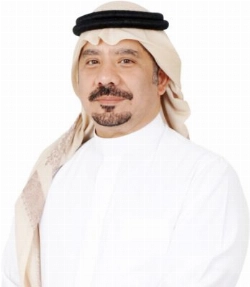
فراس طرابلسي
لماذا نحتاج إلى ذكاء اصطناعي بلسان سعودي؟
15 أغسطس 2025 - 00:08
|
آخر تحديث 15 أغسطس 2025 - 00:08


تابع قناة عكاظ على الواتساب
In a frantic global race to possess the keys to artificial intelligence, some countries are moving at lightning speed to develop their national models, realizing that this technology is no longer just a software tool, but a soft weapon that changes the balance of power and protects or threatens their cognitive, economic, and cultural security. In this race, no one waits for those who lag behind... opportunities are lost, and positions are reserved for the fastest and the boldest.
Relying on foreign open AI platforms places us in a dangerous equation: our data and national content are managed from outside our borders, subject to laws and standards we do not participate in formulating, and we do not know for certain how they are stored or used later. Worse still, these models, no matter how powerful their technology, do not understand the Saudi context in all its details: neither in language, nor in culture, nor in regulations, which may result in inaccurate or inappropriate outputs.
In the long term, the continuation of this situation means that we deepen our technological dependency, allow the leakage of national knowledge outside its environment, and risk having an image of the Kingdom built on inputs we do not control. All of this weakens our digital sovereignty and affects our position in the global economy, which will be governed, in a few years, by algorithms understood and owned by those who created them.
On the other hand, possessing an AI model with a Saudi tongue, governed by national regulation and oversight, opens up invaluable strategic horizons for the Kingdom:
• In national security, information remains within our borders, protected by our standards.
• In education, interactive platforms understand the language of the Saudi student, his comprehension, and his cultural context.
• In commerce and business, they provide investors with precise market analysis tools based on real local data.
• In media and culture, they ensure that the content reflects our image and values, not the image of those who see us from afar.
• In scientific research, they provide an intelligent environment that supports local researchers with reliable sources without mixing them with data whose origins we do not know.
The Kingdom today possesses all the components for this step: advanced digital infrastructure, modern data centers, creative technical personnel, and a national vision that makes cybersecurity and digital transformation essential pillars. However, the difference between taking the initiative or remaining users of others' technology is a political and technical decision that starts today... not tomorrow.
Practical proposals:
1- Launch a national program to develop a Saudi GPT:
• Based on carefully selected local, Gulf, and Arab data, integrating reliable global sources, and subject to oversight by a national entity to ensure quality and security.
2- Establish a standard Saudi data library:
• Including regulations, laws, statistics, studies, and local cultural content, to train the model to understand the national context.
3- Set usage protocols for government and private entities:
• Defining controls on when and how AI is used, and preventing the input of any classified or sensitive data into foreign platforms.
4- Establish local and international partnerships under sovereignty conditions:
• Collaborating with global companies in specific technical aspects, ensuring the Kingdom's ownership of the infrastructure and data.
5- Localize technical capabilities:
• Implementing advanced training programs to prepare local data engineers and AI experts capable of developing and maintaining the model.
Building AI with a Saudi tongue is not an option among a list of luxuries, but a fundamental pillar of our digital sovereignty and global presence. In the race of nations, those who lag today may lose the opportunity to lead in the near future.
Relying on foreign open AI platforms places us in a dangerous equation: our data and national content are managed from outside our borders, subject to laws and standards we do not participate in formulating, and we do not know for certain how they are stored or used later. Worse still, these models, no matter how powerful their technology, do not understand the Saudi context in all its details: neither in language, nor in culture, nor in regulations, which may result in inaccurate or inappropriate outputs.
In the long term, the continuation of this situation means that we deepen our technological dependency, allow the leakage of national knowledge outside its environment, and risk having an image of the Kingdom built on inputs we do not control. All of this weakens our digital sovereignty and affects our position in the global economy, which will be governed, in a few years, by algorithms understood and owned by those who created them.
On the other hand, possessing an AI model with a Saudi tongue, governed by national regulation and oversight, opens up invaluable strategic horizons for the Kingdom:
• In national security, information remains within our borders, protected by our standards.
• In education, interactive platforms understand the language of the Saudi student, his comprehension, and his cultural context.
• In commerce and business, they provide investors with precise market analysis tools based on real local data.
• In media and culture, they ensure that the content reflects our image and values, not the image of those who see us from afar.
• In scientific research, they provide an intelligent environment that supports local researchers with reliable sources without mixing them with data whose origins we do not know.
The Kingdom today possesses all the components for this step: advanced digital infrastructure, modern data centers, creative technical personnel, and a national vision that makes cybersecurity and digital transformation essential pillars. However, the difference between taking the initiative or remaining users of others' technology is a political and technical decision that starts today... not tomorrow.
Practical proposals:
1- Launch a national program to develop a Saudi GPT:
• Based on carefully selected local, Gulf, and Arab data, integrating reliable global sources, and subject to oversight by a national entity to ensure quality and security.
2- Establish a standard Saudi data library:
• Including regulations, laws, statistics, studies, and local cultural content, to train the model to understand the national context.
3- Set usage protocols for government and private entities:
• Defining controls on when and how AI is used, and preventing the input of any classified or sensitive data into foreign platforms.
4- Establish local and international partnerships under sovereignty conditions:
• Collaborating with global companies in specific technical aspects, ensuring the Kingdom's ownership of the infrastructure and data.
5- Localize technical capabilities:
• Implementing advanced training programs to prepare local data engineers and AI experts capable of developing and maintaining the model.
Building AI with a Saudi tongue is not an option among a list of luxuries, but a fundamental pillar of our digital sovereignty and global presence. In the race of nations, those who lag today may lose the opportunity to lead in the near future.