على امتداد التاريخ العربي الحديث، ومع كل نكسة أو هزيمة عسكرية، تتكرر الجملة ذاتها على ألسنة من قادوا تلك المغامرات السياسية أو العسكرية: «لو كنت أعلم لما فعلت». وهي عبارة تختزل التبرير الشائع الذي يلجأ إليه المسؤولون بعد أن تنكشف النتائج الكارثية لمغامراتهم. قد تكون العبارة صادقة من حيث الشعور الإنساني بالندم، لكنها – وبكل أسف – لا تعيد الموتى، ولا تشفي الجرحى، ولا تبني البيوت المهدمة، ولا تمحو الألم من ذاكرة الشعوب.
على مدى أكثر من ستة عقود، خاض العالم العربي سلسلة من المغامرات السياسية والعسكرية التي لم تجلب سوى مزيد من الخسائر، وانكماش الرقعة الجغرافية، وتنازلٍ تدريجي عن ثوابت كانت في يوم من الأيام خطوطاً حمراء. وتكمن المأساة الكبرى في أن الشعوب هي التي تدفع ثمن هذه القرارات، بينما ينجو صانع القرار غالباً من تبعات مغامرته، ويستمر في موقعه أو يجد لنفسه مخرجاً مشرّفاً.
إن ما ينقص العالم العربي ليس كثرة السياسيين، فهؤلاء موجودون في كل زاوية، بل هو غياب القادة الحقيقيين. القائد الحق هو من يضع مصلحة شعبه ووطنه فوق كل اعتبار، مع إدراكه الواقعي لأدواته وقدراته، وفهمه العميق للظروف الدولية والإقليمية المحيطة، ومعرفته بموقع بلاده في ميزان القوى. مثل هذا القائد يختار خطواته بحذر، ويتحرك في الاتجاه الآمن، أو ينتظر اللحظة المناسبة حين تميل الظروف لصالحه، بدلاً من الزج بشعبه في معركة خاسرة سلفاً.
في عالم السياسة والعلاقات الدولية، هناك قاعدة بديهية: الطرف الأضعف لا يستطيع فرض إرادته على الطرف الأقوى ما لم يمتلك الأدوات والقدرات اللازمة لذلك. تجاهل هذه الحقيقة يفتح الباب أمام كوارث جديدة، ويجعل الأوطان رهينة قرارات انفعالية أو شعارات فارغة من المضمون.
عندما نتأمل أطروحات قادة ما يُسمى بـ«الإسلام السياسي» وبعض بقايا اليسار العربي، نجد أنهم يعيشون في عالم موازٍ، يفتقر إلى الفهم الواقعي لموازين القوى، وإلى القدرة على قراءة التحولات الدولية قراءة عقلانية. هذه العقليات تتعامل مع السياسة وكأنها خطب حماسية أو معارك رمزية، غير مدركة أن خصومها يخططون بدقة ويعملون وفق استراتيجيات طويلة المدى.
والنتيجة الحتمية لهذه الرؤية القاصرة هي استمرار الدمار، وتبديد الجهود التي كان يمكن أن تُوظَّف في خدمة القضايا العربية العادلة بأساليب أكثر فاعلية وواقعية. لقد آن الأوان لأن يستخلص العالم العربي الدرس الأكبر من تاريخه المعاصر: أن الانتصار لا يتحقق بالشعارات ولا بالمغامرات، بل ببناء القوة الحقيقية، وتحقيق التنمية الداخلية، وصياغة استراتيجية عقلانية تستند إلى قراءة واعية للواقع الدولي.
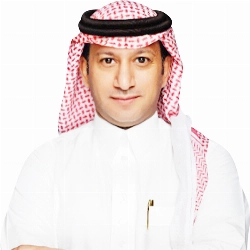
سلطان السعد القحطاني
حكمة الهزيمة العربية: «لو كنت أعلم»
14 أغسطس 2025 - 00:07
|
آخر تحديث 14 أغسطس 2025 - 00:07


تابع قناة عكاظ على الواتساب
Throughout modern Arab history, with every setback or military defeat, the same phrase is repeated by those who led those political or military adventures: “If I had known, I would not have done it.” This phrase encapsulates the common justification that officials resort to after the catastrophic results of their adventures are revealed. The phrase may be sincere in terms of the human feeling of regret, but unfortunately, it does not bring back the dead, heal the wounded, rebuild the destroyed homes, or erase the pain from the memories of nations.
For more than six decades, the Arab world has undergone a series of political and military adventures that have brought nothing but further losses, a shrinking geographical area, and a gradual concession of constants that were once red lines. The greatest tragedy lies in the fact that it is the people who pay the price for these decisions, while the decision-makers often escape the consequences of their adventures, remaining in their positions or finding themselves an honorable exit.
What the Arab world lacks is not a multitude of politicians, as they are present in every corner, but rather the absence of true leaders. A true leader is one who places the interest of his people and his country above all else, with a realistic understanding of his tools and capabilities, a deep understanding of the surrounding international and regional circumstances, and knowledge of his country’s position in the balance of power. Such a leader chooses his steps carefully, moves in a safe direction, or waits for the right moment when circumstances tilt in his favor, instead of dragging his people into a pre-determined losing battle.
In the world of politics and international relations, there is an obvious rule: the weaker party cannot impose its will on the stronger party unless it possesses the necessary tools and capabilities to do so. Ignoring this fact opens the door to new disasters and makes nations hostages to impulsive decisions or empty slogans.
When we contemplate the propositions of the leaders of what is called “political Islam” and some remnants of the Arab left, we find that they live in a parallel world, lacking a realistic understanding of the balance of power and the ability to read international transformations rationally. These mentalities treat politics as if it were passionate speeches or symbolic battles, unaware that their opponents plan meticulously and operate according to long-term strategies.
The inevitable result of this limited vision is the continuation of destruction and the squandering of efforts that could have been employed in service of just Arab causes through more effective and realistic methods. It is time for the Arab world to learn the greatest lesson from its contemporary history: that victory is not achieved through slogans or adventures, but by building real strength, achieving internal development, and formulating a rational strategy based on a conscious reading of international reality.
For more than six decades, the Arab world has undergone a series of political and military adventures that have brought nothing but further losses, a shrinking geographical area, and a gradual concession of constants that were once red lines. The greatest tragedy lies in the fact that it is the people who pay the price for these decisions, while the decision-makers often escape the consequences of their adventures, remaining in their positions or finding themselves an honorable exit.
What the Arab world lacks is not a multitude of politicians, as they are present in every corner, but rather the absence of true leaders. A true leader is one who places the interest of his people and his country above all else, with a realistic understanding of his tools and capabilities, a deep understanding of the surrounding international and regional circumstances, and knowledge of his country’s position in the balance of power. Such a leader chooses his steps carefully, moves in a safe direction, or waits for the right moment when circumstances tilt in his favor, instead of dragging his people into a pre-determined losing battle.
In the world of politics and international relations, there is an obvious rule: the weaker party cannot impose its will on the stronger party unless it possesses the necessary tools and capabilities to do so. Ignoring this fact opens the door to new disasters and makes nations hostages to impulsive decisions or empty slogans.
When we contemplate the propositions of the leaders of what is called “political Islam” and some remnants of the Arab left, we find that they live in a parallel world, lacking a realistic understanding of the balance of power and the ability to read international transformations rationally. These mentalities treat politics as if it were passionate speeches or symbolic battles, unaware that their opponents plan meticulously and operate according to long-term strategies.
The inevitable result of this limited vision is the continuation of destruction and the squandering of efforts that could have been employed in service of just Arab causes through more effective and realistic methods. It is time for the Arab world to learn the greatest lesson from its contemporary history: that victory is not achieved through slogans or adventures, but by building real strength, achieving internal development, and formulating a rational strategy based on a conscious reading of international reality.