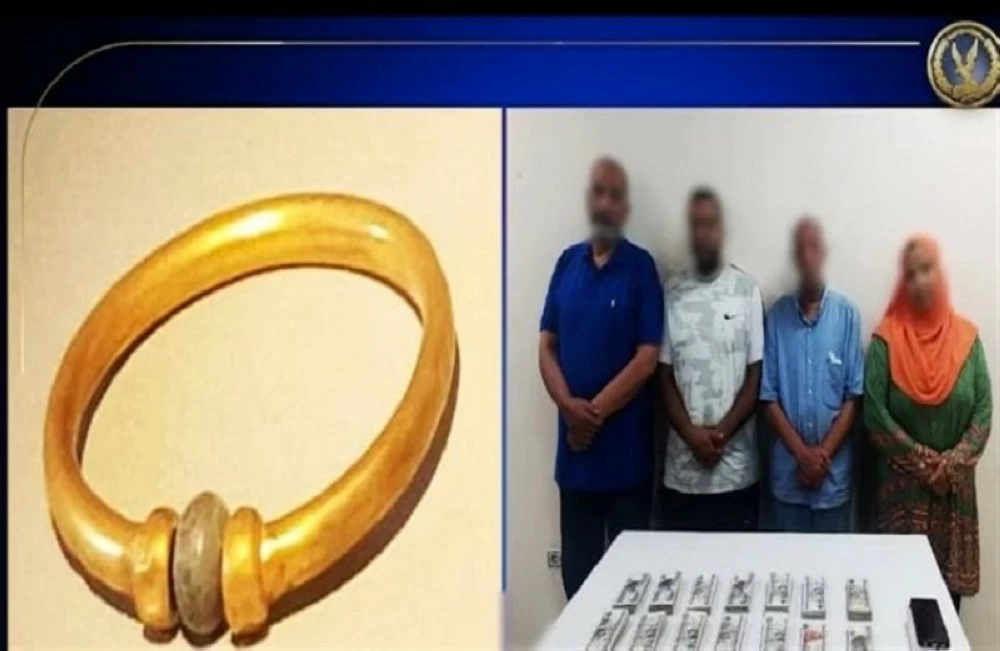
أصدرت محكمة جنايات القاهرة أحكاماً مشددة بحق المتهمين في قضية سرقة سوار ذهبي أثري نادر من داخل معمل الترميم بالمتحف المصري بالتحرير، في قضية أثارت ضجة واسعة في مصر.
وقضت المحكمة بمعاقبة المتهم الأول (أخصائية الترميم بالمتحف) والمتهم الثاني بالسجن المشدد لمدة 15 سنة، فيما قررت تغريم المتهمين الثالث والرابع مبلغ 5 آلاف جنيه لكل منهما.
بدأت القضية في سبتمبر الماضي، عندما تلقت الأجهزة الأمنية بلاغاً رسمياً من وكيل المتحف وأخصائي ترميم باكتشاف اختفاء سوار ذهبي أثري يعود إلى العصر المتأخر (الأسرة الفرعونية الـ21 تقريباً)، وهي قطعة نادرة محفوظة داخل خزينة حديدية بمعمل الترميم.
وكشفت التحريات الأمنية، بإشراف وزارة الداخلية، أن المتهمة الأولى (أخصائية الترميم) استغلت موقعها الوظيفي يوم 9 سبتمبر 2025، وقامت بسرقة السوار بأسلوب «المغافلة» أثناء عملها. ثم سارعت بالتواصل مع أحد معارفها، وهو صاحب محل فضيات في منطقة السيدة زينب بالقاهرة (المتهم الثاني)، الذي باع القطعة بدوره إلى مالك ورشة ذهب بمنطقة الصاغة مقابل 180 ألف جنيه.
ضبط المبالغ المالية
وبعد ذلك، باع مالك الورشة القطعة إلى عامل بمسبك ذهب مقابل 194 ألف جنيه، ليتم صهرها ضمن مصوغات أخرى وإعادة تشكيلها، ما أدى إلى فقدان قيمتها الأثرية بشكل نهائي.
وأقر المتهمون خلال التحقيقات بتفاصيل الواقعة، وضبطت المبالغ المالية المتحصلة من البيع بحوزتهم. وأكدت التحقيقات أن بعض المتهمين اللاحقين تعاملوا مع القطعة على أنها ذهب عادي دون علم بطبيعتها الأثرية، بينما ثبت تورط المتهمة الأولى والمتهم الثاني بشكل مباشر في السرقة والبيع.
تُعد هذه الواقعة واحدة من الحوادث النادرة التي تستهدف قطعة أثرية داخل المتحف نفسه، وقد أثارت جدلاً واسعاً حول أمن المتاحف المصرية، خصوصاً في ظل الاستعدادات لافتتاح المتحف المصري الكبير وتشديد الدولة على حماية التراث الفرعوني.
The Cairo Criminal Court issued strict sentences against the defendants in the case of the theft of a rare ancient gold bracelet from the restoration laboratory at the Egyptian Museum in Tahrir, in a case that has caused widespread uproar in Egypt.
The court sentenced the first defendant (the museum's restoration specialist) and the second defendant to 15 years of hard labor, while it decided to fine the third and fourth defendants 5,000 Egyptian pounds each.
The case began last September when security authorities received an official report from the museum's agent and a restoration specialist about the discovery of the disappearance of a rare ancient gold bracelet dating back to the Late Period (approximately the 21st Dynasty), which was preserved inside a safe in the restoration laboratory.
Investigations, supervised by the Ministry of Interior, revealed that the first defendant (the restoration specialist) exploited her position on September 9, 2025, and stole the bracelet using the method of "deception" while at work. She then hurried to contact an acquaintance of hers, who is the owner of a silver shop in the Sayyida Zaynab area of Cairo (the second defendant), who in turn sold the piece to the owner of a gold workshop in the gold market for 180,000 Egyptian pounds.
Seizure of Financial Amounts
After that, the workshop owner sold the piece to a worker at a gold foundry for 194,000 Egyptian pounds, to be melted down with other items and reshaped, which led to the permanent loss of its archaeological value.
The defendants admitted during the investigations the details of the incident, and the financial amounts obtained from the sale were seized in their possession. Investigations confirmed that some subsequent defendants dealt with the piece as ordinary gold without knowledge of its archaeological nature, while the first and second defendants were found to be directly involved in the theft and sale.
This incident is considered one of the rare occurrences targeting an archaeological piece within the museum itself, and it has sparked widespread debate about the security of Egyptian museums, especially in light of preparations for the opening of the Grand Egyptian Museum and the state's emphasis on protecting Pharaonic heritage.