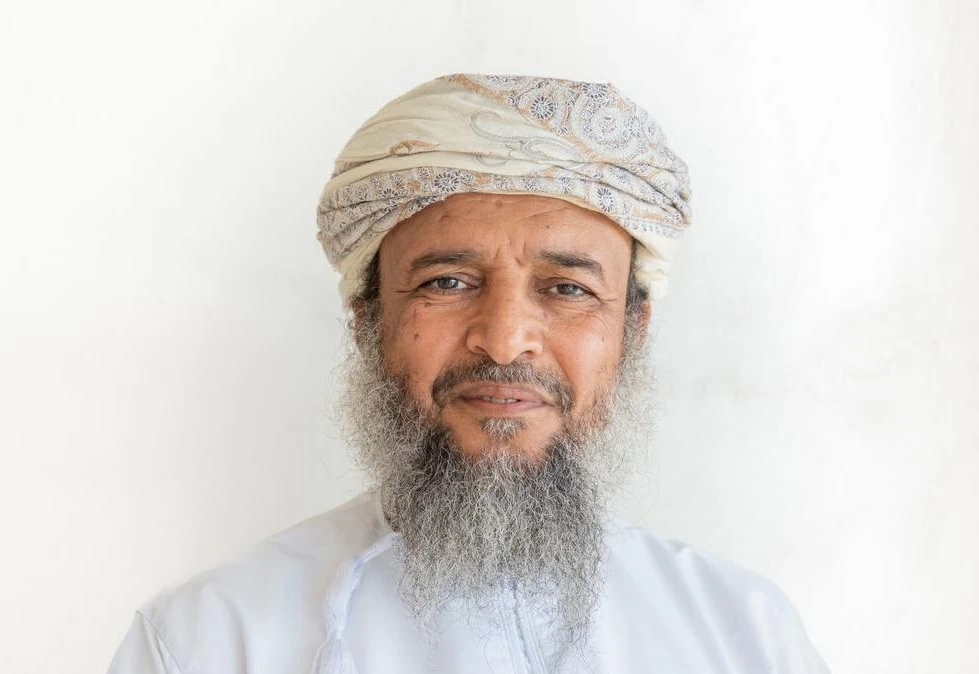
الشاعر والناقد والأديب المصري الأستاذ أحمد عبدالمعطي حجازي كتب في الشرق الأوسط بعنوان «ليست واقعاً فهل هي هدف؟».
يقول أشعر بأننا حتى الآن لم نفكر كما يجب في حاجتنا لثقافة قومية نشارك جميعاً نحن العرب في إنتاجها، ونجعلها هدفاً مشتركاً نلتزم بأدائه، ونستعد له بما نكتشفه وندعمه وننميه من المواهب، وبما نبنيه من مؤسسات، ونوفره من أجهزة وأدوات، وبما ننظمه من نشاط مشترك نتبادل فيه الخبرة، ونحقق به التكامل الذي تتحقق به وحدتنا الثقافية. هذا النشاط لا يزال مفتقَداً حتى الآن. وأنا أنظر إلى الماضي القريب وأقارن ما كانت عليه ثقافتنا القومية، قبل نصف قرن من اليوم بما صارت إليه الآن، فأجد أننا فقدنا كثيراً مما حققناه من قبل.
هذه حقيقة، فقد عشت تلك الفترة الذهبية من تلاقح الثقافات وتبادل المعارف وتكوين خلفية ثقافية حافلة بشتى المعرفة مقارنة بما عليه الحال الآن.
لذا، أشاركه مخاوفه، فعلى الرغم من اتساع الفضاء الإعلامي، وتعدد المنصات التي تسمح بالتواصل الفوري بين الأفراد والمجتمعات، فإن الثقافة القومية العربية تبدو في حالة انحسار وتراجع لم تشهده منذ عقود.
والمفارقة الموجعة أن هذه الظاهرة تأتي في زمن تتقاطع فيه الحواضر العربية افتراضياً أكثر من أي وقت مضى، بينما تتباعد فعلياً على مستوى الفعل الثقافي المشترك، والرؤية الجامعة، والمشروع الحضاري المتكامل.
لقد شهد العالم العربي في منتصف القرن العشرين وبداياته نهضة ثقافية متشابكة الحلقات، صنعت ملامح ما يمكن أن نطلق عليه «ثقافة قومية عربية». كانت هذه النهضة نتيجة جهود واعية، ومبادرات مؤسساتية وأهلية، تضافرت فيها حركة الترجمة، وازدهرت الصحافة والمسرح والفنون، كانت الثقافة حاضرة والتاريخ قائم والمناظرات لا تتوقف في الشعر والنثر والأدب، إضافة إلى الملاحق الأدبية والثقافية، وتفتحت صلات معرفية بين المشرق والمغرب العربيين.
كانت القاهرة وبيروت ودمشق وبغداد وتونس والرباط مراكز متفاعلة، يجتمع فيها المبدعون من مختلف الأقطار، فتخرج الأعمال والنتاجات بروح عربية جامعة، تتجاوز الحدود السياسية وتخاطب وجدان الأمة جمعاء. غير أن المشهد اليوم يكاد يخلو من هذا التفاعل العميق.
انكفأت الأقطار العربية على إنتاج ثقافي محلي الطابع، موجّه في أغلبه لجمهور داخلي محدود، مع افتقار إلى المنابر العابرة للحدود التي كانت فيما مضى تجسّد وحدة الخطاب الثقافي.
وإذا كان الماضي قد شهد صحفاً ومجلات مثل مجلة العربي الكويتية، والمنهل والفيصل والعرب والدرعية السعودية، والمعارف وروز اليوسف وصباح الخير والمصور وآخر ساعة المصرية، والحوادث والشراع والصياد اللبنانية، وغيرها من الملاحق الأدبية والثقافية والسياسية، إضافة إلى مؤسسات تعليمية ذات امتداد عربي واسع، فإن الحاضر يعج بمنصات إعلامية ومنابر رقمية تفتقر إلى المشروع الجامع، وتكتفي بالتغطيات المتفرقة والاحتفالات الرسمية التي لا تترك أثراً يتجاوز زمنها ومكانها.
لا يمكن إنكار أن الوسائل التقنية فتحت آفاقاً غير مسبوقة للتواصل والتبادل الثقافي.
لكن هذه الإمكانات بقيت، في الغالب، رهينة الاستهلاك الفردي السريع، ولم تتحول إلى أدوات لصياغة مشروع ثقافي قومي مشترك. فالمنصات الرقمية الكبرى، وإن كانت تسمح بنشر المحتوى على نطاق واسع، غالباً ما تحكمها خوارزميات تكرّس الانغلاق داخل الدوائر المحلية أو الأيديولوجية الضيقة، وتغذي التشتت بدلاً من التلاقي.
أما الإنتاج الثقافي المنظَّم، القادر على حمل قيم وهوية مشتركة، فقد تراجع لصالح مشاريع فردية أو تجارية إعلانية لا تضع البعد القومي في حساباتها.
يعود هذا الانحسار إلى جملة من الأسباب البنيوية والسياسية والاجتماعية.
تراجعت في العقود الأخيرة أولوية الثقافة في السياسات العامة، وأصبح الاستثمار فيها هامشياً مقارنة بالقطاعات الأخرى. كما أن النزاعات والانقسامات الداخلية بين الدول العربية خلقت بيئة من العزلة المتبادلة، وأضعفت الثقة اللازمة لقيام مشاريع مشتركة طويلة المدى.
يضاف إلى ذلك غياب التخطيط الإستراتيجي الثقافي على المستوى العربي، وضعف المؤسسات القادرة على جمع الطاقات والمواهب في إطار رؤية موحدة.
إن انحسار الثقافة القومية لا يعني غياب الإبداع العربي، فالمواهب الفردية ما زالت تتوهج في مجالات الأدب والفنون والعلوم. لكن هذه الطاقات تبقى متناثرة، تفتقر إلى البنية المؤسسية التي تمنحها الاستمرارية والانتشار والتأثير الواسع. وكثير من المبدعين يجدون أنفسهم مضطرين للبحث عن منصات خارج الفضاء العربي لتقديم أعمالهم، الأمر الذي يعمّق فجوة الانفصال بين الإنتاج الثقافي العربي وجمهوره الطبيعي.
المفارقة أن الظروف التقنية التي نعيشها اليوم كان يمكن أن تشكّل فرصة ذهبية لتجاوز العقبات القديمة. فالاتصال الرقمي، وتبادل المحتوى الفوري، والقدرة على تنظيم فعاليات افتراضية عابرة للقارات، كلها أدوات كفيلة بخلق شبكة ثقافية عربية متجددة. غير أن غياب الرؤية والقيادة الثقافية الفاعلة جعل هذه الإمكانات تتبدد في مبادرات فردية متناثرة، أو تُستغل في مجالات ترفيهية استهلاكية لا تعزز الوعي الجمعي.
ولإعادة الاعتبار للثقافة القومية العربية في زمن الفضاء المفتوح، نحتاج إلى جملة من الخطوات لصياغة مشروع ثقافي عربي مشترك، يتبناه اتحاد أو مجلس ثقافي عربي مستقل، يضع أهدافاً محددة وخططاً زمنية، ويربط بين المبدعين والمؤسسات في كل الأقطار. مع الاستثمار في منصات رقمية قومية قادرة على استضافة المحتوى الإبداعي وتوزيعه على نطاق واسع، مع ضمان وصوله إلى الجمهور في كل بلد عربي.
ولا ننسى دعم التبادل الثقافي المنتظم عبر ورش عمل، مهرجانات، معارض كتاب وبرامج تبادل فني وأكاديمي، بحيث تتخطى الطابع الاحتفالي إلى بناء شراكات حقيقية مستدامة. وإعادة تفعيل حركة الترجمة والنشر على مستوى عربي موحد، لتبادل الإنتاج الفكري بين الدول، وإيصاله للجمهور بلغة مفهومة وأسلوب معاصر.
والعمل على تأسيس صندوق تمويل ثقافي عربي يموّل المشاريع الإبداعية ذات البعد القومي، ويشجع على إنتاج محتوى يخاطب الوجدان العربي المشترك.
الثقافة القومية ليست شعاراً عاطفياً، بل هي مشروع بناء متكامل، لا يكتمل إلا حين يصبح هدفاً مشتركاً لكل دولة ومؤسسة ومبدع عربي.
وإذا كنا قد نجحنا قبل سبعين عاماً في صياغة نهضة ثقافية، بوسائل أكثر تواضعاً وإمكانات محدودة، فلا مبرر اليوم أن نعجز عن استعادة ذلك الزخم ونحن نملك فضاءً مفتوحاً، وأدوات اتصال هائلة، وجمهوراً متعطشاً لما يوحده ويعبّر عن هويته.
التحدي الحقيقي أمام الثقافة القومية العربية اليوم ليس نقص الإمكانات، بل غياب الإرادة والرؤية الثقافية.
فإذا استطعنا أن نعيد صياغة هاتين الركيزتين، فإن الفضاء المفتوح لن يكون ساحة للتشتت والانغلاق، بل منصة لانبعاث حضاري جديد، يربط الماضي الزاهر بالحاضر المتغير، ويؤسس لمستقبل تتكامل فيه الجهود، وتلتقي فيه المواهب، وتُبنى فيه وحدة ثقافية عربية قادرة على أن تحيا وتزدهر رغم كل التحديات.
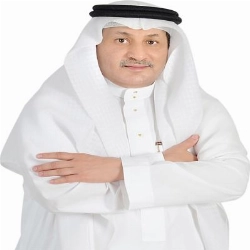
نجيب يماني
لماذا انحسرت الثقافة القومية العربية؟
14 أغسطس 2025 - 00:07
|
آخر تحديث 14 أغسطس 2025 - 00:07


تابع قناة عكاظ على الواتساب
The Egyptian poet, critic, and writer, Professor Ahmed Abd al-Mu'ti Hijazi, wrote in Al-Middle East titled "Is It Not Reality, So Is It a Goal?"
He says, "I feel that we have not yet thought as we should about our need for a national culture that we, as Arabs, all participate in producing, making it a common goal that we commit to achieving, preparing for it with what we discover, support, and develop in terms of talents, with what we build in terms of institutions, and what we provide in terms of tools and devices, along with what we organize in terms of joint activities where we exchange experiences, achieving the integration that realizes our cultural unity. This activity is still lacking until now. As I look at the recent past and compare what our national culture was like half a century ago to what it has become now, I find that we have lost much of what we had previously achieved."
This is a fact; I lived through that golden period of cultural cross-fertilization, knowledge exchange, and the formation of a rich cultural background compared to the current situation.
Therefore, I share his concerns; despite the vast media space and the multitude of platforms that allow for immediate communication between individuals and communities, Arab national culture seems to be in a state of retreat and decline that it has not witnessed for decades.
The painful paradox is that this phenomenon occurs at a time when Arab metropolises intersect virtually more than ever, while they are actually distancing themselves on the level of joint cultural action, collective vision, and integrated civilizational project.
The Arab world witnessed a cultural renaissance in the mid-twentieth century, characterized by interconnected phases that shaped what we can call "Arab National Culture." This renaissance was the result of conscious efforts, institutional and community initiatives, where the translation movement flourished, and journalism, theater, and the arts thrived. Culture was present, history was alive, and debates were ongoing in poetry, prose, and literature, in addition to literary and cultural supplements, and knowledge connections opened between the Arab East and West.
Cairo, Beirut, Damascus, Baghdad, Tunis, and Rabat were interactive centers where creators from various countries gathered, producing works and outputs with a unifying Arab spirit that transcended political borders and addressed the collective conscience of the nation. However, the scene today is almost devoid of this deep interaction.
The Arab countries have retreated into producing locally characterized cultural output, mostly directed at a limited internal audience, lacking the cross-border platforms that once embodied the unity of cultural discourse.
While the past saw newspapers and magazines such as Al-Arabi from Kuwait, Al-Manhal, Al-Faisal, Al-Arab, and Al-Dhariyah from Saudi Arabia, Al-Ma'arif, Rose al-Yusuf, Sabah al-Khayr, Al-Masour, and Akher Sa'a from Egypt, Al-Hawadith, Al-Shiraa, and Al-Sayyad from Lebanon, among others, along with educational institutions with a wide Arab reach, the present is filled with media platforms and digital forums that lack a unifying project, contenting themselves with scattered coverage and official celebrations that leave no lasting impact beyond their time and place.
It cannot be denied that technological means have opened unprecedented horizons for communication and cultural exchange.
However, these possibilities have remained, for the most part, hostage to rapid individual consumption and have not transformed into tools for shaping a shared national cultural project. Major digital platforms, while allowing for widespread content dissemination, are often governed by algorithms that reinforce closure within local or narrow ideological circles, feeding fragmentation instead of convergence.
As for organized cultural production, capable of carrying shared values and identity, it has declined in favor of individual or commercial advertising projects that do not consider the national dimension in their calculations.
This retreat is due to a number of structural, political, and social reasons.
In recent decades, the priority of culture in public policies has diminished, and investment in it has become marginal compared to other sectors. Additionally, internal conflicts and divisions among Arab countries have created an environment of mutual isolation and weakened the trust necessary for the establishment of long-term joint projects.
Moreover, there is a lack of strategic cultural planning at the Arab level and a weakness in institutions capable of gathering energies and talents within a unified vision.
The decline of national culture does not mean the absence of Arab creativity; individual talents continue to shine in the fields of literature, arts, and sciences. However, these energies remain scattered, lacking the institutional framework that grants them continuity, dissemination, and wide influence. Many creators find themselves compelled to seek platforms outside the Arab space to present their works, deepening the gap of disconnection between Arab cultural production and its natural audience.
The paradox is that the technological conditions we live in today could have formed a golden opportunity to overcome old obstacles. Digital communication, instant content exchange, and the ability to organize virtual events that cross continents are all tools capable of creating a renewed Arab cultural network. However, the absence of a vision and effective cultural leadership has caused these potentials to dissipate into scattered individual initiatives or to be exploited in consumer entertainment fields that do not enhance collective awareness.
To restore the status of Arab national culture in the age of open space, we need a series of steps to formulate a joint Arab cultural project, adopted by an independent Arab cultural union or council, that sets specific goals and timelines, linking creators and institutions in all countries. This includes investing in national digital platforms capable of hosting creative content and distributing it widely, ensuring its accessibility to audiences in every Arab country.
We should also support regular cultural exchange through workshops, festivals, book fairs, and artistic and academic exchange programs, so that they transcend a celebratory nature to build real, sustainable partnerships. Reactivating the translation and publishing movement at a unified Arab level is essential for exchanging intellectual production between countries and delivering it to the audience in an understandable language and contemporary style.
Additionally, working on establishing an Arab cultural funding fund to finance creative projects with a national dimension and encourage the production of content that addresses the shared Arab conscience.
National culture is not an emotional slogan; it is a comprehensive building project that is only complete when it becomes a common goal for every Arab state, institution, and creator.
If we succeeded seventy years ago in shaping a cultural renaissance with more modest means and limited capabilities, there is no justification today for our inability to regain that momentum when we possess an open space, immense communication tools, and an audience eager for what unites and expresses its identity.
The real challenge facing Arab national culture today is not a lack of resources but the absence of will and cultural vision.
If we can reshape these two pillars, the open space will not be a field for fragmentation and closure but a platform for a new civilizational revival that connects the flourishing past with the changing present and establishes a future where efforts are integrated, talents meet, and an Arab cultural unity is built that can live and thrive despite all challenges."
He says, "I feel that we have not yet thought as we should about our need for a national culture that we, as Arabs, all participate in producing, making it a common goal that we commit to achieving, preparing for it with what we discover, support, and develop in terms of talents, with what we build in terms of institutions, and what we provide in terms of tools and devices, along with what we organize in terms of joint activities where we exchange experiences, achieving the integration that realizes our cultural unity. This activity is still lacking until now. As I look at the recent past and compare what our national culture was like half a century ago to what it has become now, I find that we have lost much of what we had previously achieved."
This is a fact; I lived through that golden period of cultural cross-fertilization, knowledge exchange, and the formation of a rich cultural background compared to the current situation.
Therefore, I share his concerns; despite the vast media space and the multitude of platforms that allow for immediate communication between individuals and communities, Arab national culture seems to be in a state of retreat and decline that it has not witnessed for decades.
The painful paradox is that this phenomenon occurs at a time when Arab metropolises intersect virtually more than ever, while they are actually distancing themselves on the level of joint cultural action, collective vision, and integrated civilizational project.
The Arab world witnessed a cultural renaissance in the mid-twentieth century, characterized by interconnected phases that shaped what we can call "Arab National Culture." This renaissance was the result of conscious efforts, institutional and community initiatives, where the translation movement flourished, and journalism, theater, and the arts thrived. Culture was present, history was alive, and debates were ongoing in poetry, prose, and literature, in addition to literary and cultural supplements, and knowledge connections opened between the Arab East and West.
Cairo, Beirut, Damascus, Baghdad, Tunis, and Rabat were interactive centers where creators from various countries gathered, producing works and outputs with a unifying Arab spirit that transcended political borders and addressed the collective conscience of the nation. However, the scene today is almost devoid of this deep interaction.
The Arab countries have retreated into producing locally characterized cultural output, mostly directed at a limited internal audience, lacking the cross-border platforms that once embodied the unity of cultural discourse.
While the past saw newspapers and magazines such as Al-Arabi from Kuwait, Al-Manhal, Al-Faisal, Al-Arab, and Al-Dhariyah from Saudi Arabia, Al-Ma'arif, Rose al-Yusuf, Sabah al-Khayr, Al-Masour, and Akher Sa'a from Egypt, Al-Hawadith, Al-Shiraa, and Al-Sayyad from Lebanon, among others, along with educational institutions with a wide Arab reach, the present is filled with media platforms and digital forums that lack a unifying project, contenting themselves with scattered coverage and official celebrations that leave no lasting impact beyond their time and place.
It cannot be denied that technological means have opened unprecedented horizons for communication and cultural exchange.
However, these possibilities have remained, for the most part, hostage to rapid individual consumption and have not transformed into tools for shaping a shared national cultural project. Major digital platforms, while allowing for widespread content dissemination, are often governed by algorithms that reinforce closure within local or narrow ideological circles, feeding fragmentation instead of convergence.
As for organized cultural production, capable of carrying shared values and identity, it has declined in favor of individual or commercial advertising projects that do not consider the national dimension in their calculations.
This retreat is due to a number of structural, political, and social reasons.
In recent decades, the priority of culture in public policies has diminished, and investment in it has become marginal compared to other sectors. Additionally, internal conflicts and divisions among Arab countries have created an environment of mutual isolation and weakened the trust necessary for the establishment of long-term joint projects.
Moreover, there is a lack of strategic cultural planning at the Arab level and a weakness in institutions capable of gathering energies and talents within a unified vision.
The decline of national culture does not mean the absence of Arab creativity; individual talents continue to shine in the fields of literature, arts, and sciences. However, these energies remain scattered, lacking the institutional framework that grants them continuity, dissemination, and wide influence. Many creators find themselves compelled to seek platforms outside the Arab space to present their works, deepening the gap of disconnection between Arab cultural production and its natural audience.
The paradox is that the technological conditions we live in today could have formed a golden opportunity to overcome old obstacles. Digital communication, instant content exchange, and the ability to organize virtual events that cross continents are all tools capable of creating a renewed Arab cultural network. However, the absence of a vision and effective cultural leadership has caused these potentials to dissipate into scattered individual initiatives or to be exploited in consumer entertainment fields that do not enhance collective awareness.
To restore the status of Arab national culture in the age of open space, we need a series of steps to formulate a joint Arab cultural project, adopted by an independent Arab cultural union or council, that sets specific goals and timelines, linking creators and institutions in all countries. This includes investing in national digital platforms capable of hosting creative content and distributing it widely, ensuring its accessibility to audiences in every Arab country.
We should also support regular cultural exchange through workshops, festivals, book fairs, and artistic and academic exchange programs, so that they transcend a celebratory nature to build real, sustainable partnerships. Reactivating the translation and publishing movement at a unified Arab level is essential for exchanging intellectual production between countries and delivering it to the audience in an understandable language and contemporary style.
Additionally, working on establishing an Arab cultural funding fund to finance creative projects with a national dimension and encourage the production of content that addresses the shared Arab conscience.
National culture is not an emotional slogan; it is a comprehensive building project that is only complete when it becomes a common goal for every Arab state, institution, and creator.
If we succeeded seventy years ago in shaping a cultural renaissance with more modest means and limited capabilities, there is no justification today for our inability to regain that momentum when we possess an open space, immense communication tools, and an audience eager for what unites and expresses its identity.
The real challenge facing Arab national culture today is not a lack of resources but the absence of will and cultural vision.
If we can reshape these two pillars, the open space will not be a field for fragmentation and closure but a platform for a new civilizational revival that connects the flourishing past with the changing present and establishes a future where efforts are integrated, talents meet, and an Arab cultural unity is built that can live and thrive despite all challenges."