حينما تتبدل المفاهيم وتعلو رايات العدل والإنصاف، يشرق الحق كفجر جديد ويعلو نداء التمكين لكل الفئات. هنا وفي بلادنا المباركة تتجلى قضية دمج ذوي الإعاقة، علامة من علامات الرقي وهي دليل على أن القلوب الكبيرة تصنع الأوطان الكبيرة وشاهدة على إنسانية المجتمع وعمق التزامه بالتكافل... وقد شاركت هذه الفئة الغالية على قلوبنا في فضاءات وطنية وحضارية عديدة ومنحتهم فرصًا متساوية للتعبير والمشاركة والعطاء، بلا تمييز أو استثناء.
وأشير بدوري هنا كما بدأت في مقالي هذا الذي جاء بعنوان «إعاقتي ليست نهايتي».. هي بداية طريق تتلاقى فيه الإرادة مع الفرص وتصنع فيه البيئة الحاضنة إنجازات تليق بعظمة هذا الوطن، حيث تمثل المعارض والمؤتمرات منصات حضارية راقية ينبغي أن تكون فضاء رحبا للتعبير والمشاركة والتفاعل لجميع أفراد المجتمع، دون تمييز أو استثناء. وفي هذا السياق يبرز دور منظمي المعارض والمؤتمرات، باعتبارهم صناع البيئات الحاضنة والمسؤولين عن ترسيخ قيم الشمول، وتحقيق الدمج الفعلي، فالشمول في قطاع المعارض لا يقتصر على تهيئة المرافق والبنى التحتية بل يمتد ليشمل السياسات التنظيمية والمحتوى المقدم وطبيعة التجربة التي يعيشها الزائر والمشارك على حد سواء، فالشخص ذو الإعاقة ليس ضيفا خاصا يحضر بالاستثناء بل هو جزء مهم من جمهور الفعالية وعنصر فاعل في طاقمها ومبدعيها، وغيابه لا يعني فقدان زائر بل خسارة تجربة إنسانية عميقة وانتقاصا من قيمة الحدث وعدالته المجتمعية.
وفي خضم النهضة الوطنية التي تعيشها المملكة العربية السعودية ومع تسارع خطواتها نحو تحقيق رؤية 2030 يبرز دمج الأشخاص ذوي الإعاقة في قطاع المعارض والمؤتمرات كأحد المرتكزات الأساسية لبناء مجتمع حيوي شامل ومتماسك، فالمعارض في هذا الوطن تمثل مساحات اجتماعية تعكس وعي المجتمع وعمق التزامه بقيم العدالة والتكافؤ وأي إقصاء لهذه الفئة الغالية يعد إخلالا بمبادئ التمكين والتنوع، التي تقوم عليها مسيرة المملكة نحو الريادة. كما ينطلق دور منظمي المعارض من الالتزام الصارم بالمعايير الهندسية والتنظيمية التي تضمن سهولة الوصول وانسيابية التنقل، عبر توفير ممرات ملائمة، ومصاعد مهيأة، ودورات مياه مجهزة بأعلى المواصفات، ولافتات مكتوبة بلغة برايل تتناسب مع جميع الاحتياجات، ولكن هذا الالتزام، على أهميته، لا يكتمل إلا إذا احتُضن داخل إطار أوسع يُعرف بالتجربة الشاملة التي تتطلب بُعدًا إنسانيًا عميقا ورؤية تشغيلية متكاملة تراعي كافة جوانب دمج ذوي الإعاقة.
لقد سبقت العديد من الدول المتقدمة في تحقيق هذا المثل الأعلى، حيث أصبحت كبرى الفعاليات العالمية، كمعرض CES في الولايات المتحدة وITB Berlin في ألمانيا، تخضع لتقييمات دقيقة تتناول مدى شموليتها والتزامها الصارم بمعايير الدمج، وتُمنح شهادات اعتماد دولية تعكس مدى احترافيتها ورقي تنظيمها، وقد تحول هذا تحول إلى معيار مهني رفيع يعكس جودة الفعالية وسمو تجربتها.
وفي ظل ما يشهده قطاع المعارض في المملكة من نمو متسارع واهتمام حكومي واستثماري متزايد، أصبح اعتماد نهج الدمج والشمول أولوية تنموية وإنسانية، تتطلب من الجهات المنظمة وصناع القرار اتخاذ خطوات عملية واضحة. فالشمول الحقيقي لا يتحقق بالشعارات، إنما بالممارسات المؤسسية والسياسات التي تكرس قيم العدالة والاحترام والتمكين، وتجعل من المعارض منصات مفتوحة للجميع دون استثناء، تعكس مجتمعًا يسير بثبات نحو الرقي الإنساني والتميز الحضاري.
وأخيراً..
إعاقتي ليست نهايتي..
هي رسالة تحمل دعوة للتأمل وإحداث التغيير، وإعادة النظر في المفاهيم السائدة تجاه الأشخاص ذوي الإعاقة، باعتبارهم شركاء فاعلين في البناء والعطاء، لا مجرد متلقين للرعاية، وعندما تُفتح أمامهم الأبواب للمشاركة الكاملة في تصميم المعارض وتنظيمها وزيارتها، فإننا لا نطبق مبدأ العدالة فحسب، نحن نعزز قيم التنوع والتمكين، ونساهم في بناء معارض أكثر شمولية، ومجتمع أكثر إنسانية، لا يقصي أحدًا ولا يغفل صوتًا، إنها خطوة في الطريق الصحيح نحو حضارة تعترف بالجميع وتحتضن الجميع.
لقد قيل إن الإعاقة قيد لكن الحياة قالت إن الإرادة جناح وإن البيئة الحاضنة تصنع المعجزات، وإن العزيمة إذا سارت في درب النور تجاوزت كل العثرات.
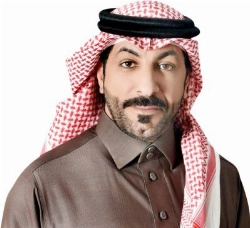
سلمان بن سهيل العطاوي
إعاقتي ليست نهايتي.. نحو معارض أكثر شمولاً..
11 أغسطس 2025 - 00:06
|
آخر تحديث 11 أغسطس 2025 - 00:06


تابع قناة عكاظ على الواتساب
When concepts change and the banners of justice and fairness rise, the truth shines like a new dawn, and the call for empowerment for all groups grows louder. Here, in our blessed country, the issue of integrating people with disabilities manifests as a sign of sophistication, a testament that big hearts build great nations, and a witness to the humanity of society and its deep commitment to solidarity... This cherished group in our hearts has participated in numerous national and cultural spaces, granting them equal opportunities for expression, participation, and contribution, without discrimination or exception.
In this context, I would like to refer back to the title of this article, "My Disability is Not My End"… it is the beginning of a path where will meets opportunity, creating a nurturing environment for achievements worthy of the greatness of this nation. Exhibitions and conferences represent elevated cultural platforms that should be a spacious arena for expression, participation, and interaction for all members of society, without discrimination or exception. In this regard, the role of exhibition and conference organizers becomes prominent, as they are the creators of nurturing environments and responsible for instilling values of inclusivity and achieving real integration. Inclusivity in the exhibition sector does not only involve preparing facilities and infrastructure but extends to organizational policies, the content presented, and the nature of the experience lived by both visitors and participants alike. A person with a disability is not a special guest attending by exception; rather, they are an important part of the event's audience and an active element in its team and creators. Their absence does not mean losing a visitor but rather losing a profound human experience and diminishing the value and social justice of the event.
Amid the national renaissance that the Kingdom of Saudi Arabia is experiencing and with its accelerating steps towards achieving Vision 2030, the integration of people with disabilities in the exhibition and conference sector emerges as one of the fundamental pillars for building a vibrant, inclusive, and cohesive society. Exhibitions in this nation represent social spaces that reflect the community's awareness and deep commitment to the values of justice and equality. Any exclusion of this cherished group is a violation of the principles of empowerment and diversity upon which the Kingdom's journey towards leadership is based. The role of exhibition organizers also stems from a strict commitment to engineering and organizational standards that ensure ease of access and smooth mobility by providing suitable pathways, equipped elevators, restrooms with the highest specifications, and signs written in Braille that cater to all needs. However, this commitment, no matter how important, is not complete unless it is embraced within a broader framework known as the comprehensive experience, which requires a deep human dimension and an integrated operational vision that considers all aspects of integrating people with disabilities.
Many advanced countries have preceded in achieving this ideal, where major global events, such as CES in the United States and ITB Berlin in Germany, are subject to precise evaluations regarding their inclusivity and strict adherence to integration standards, receiving international accreditation certificates that reflect their professionalism and the sophistication of their organization. This has transformed into a high professional standard that reflects the quality of the event and the excellence of its experience.
In light of the rapid growth and increasing governmental and investment interest in the exhibition sector in the Kingdom, adopting an approach of integration and inclusivity has become a developmental and humanitarian priority that requires organizing bodies and decision-makers to take clear, practical steps. True inclusivity is not achieved through slogans, but through institutional practices and policies that reinforce the values of justice, respect, and empowerment, making exhibitions open platforms for everyone without exception, reflecting a society that steadily moves towards human advancement and cultural excellence.
Finally…
My disability is not my end…
It is a message carrying a call for reflection and change, urging a reconsideration of prevailing concepts regarding people with disabilities, viewing them as active partners in building and contributing, not merely recipients of care. When doors are opened for them to fully participate in designing, organizing, and visiting exhibitions, we are not only applying the principle of justice; we are enhancing the values of diversity and empowerment, contributing to building more inclusive exhibitions and a more humane society that excludes no one and overlooks no voice. It is a step in the right direction towards a civilization that recognizes and embraces everyone.
It has been said that disability is a constraint, but life has said that will is a wing, and that a nurturing environment creates miracles. When determination walks the path of light, it overcomes all obstacles.
In this context, I would like to refer back to the title of this article, "My Disability is Not My End"… it is the beginning of a path where will meets opportunity, creating a nurturing environment for achievements worthy of the greatness of this nation. Exhibitions and conferences represent elevated cultural platforms that should be a spacious arena for expression, participation, and interaction for all members of society, without discrimination or exception. In this regard, the role of exhibition and conference organizers becomes prominent, as they are the creators of nurturing environments and responsible for instilling values of inclusivity and achieving real integration. Inclusivity in the exhibition sector does not only involve preparing facilities and infrastructure but extends to organizational policies, the content presented, and the nature of the experience lived by both visitors and participants alike. A person with a disability is not a special guest attending by exception; rather, they are an important part of the event's audience and an active element in its team and creators. Their absence does not mean losing a visitor but rather losing a profound human experience and diminishing the value and social justice of the event.
Amid the national renaissance that the Kingdom of Saudi Arabia is experiencing and with its accelerating steps towards achieving Vision 2030, the integration of people with disabilities in the exhibition and conference sector emerges as one of the fundamental pillars for building a vibrant, inclusive, and cohesive society. Exhibitions in this nation represent social spaces that reflect the community's awareness and deep commitment to the values of justice and equality. Any exclusion of this cherished group is a violation of the principles of empowerment and diversity upon which the Kingdom's journey towards leadership is based. The role of exhibition organizers also stems from a strict commitment to engineering and organizational standards that ensure ease of access and smooth mobility by providing suitable pathways, equipped elevators, restrooms with the highest specifications, and signs written in Braille that cater to all needs. However, this commitment, no matter how important, is not complete unless it is embraced within a broader framework known as the comprehensive experience, which requires a deep human dimension and an integrated operational vision that considers all aspects of integrating people with disabilities.
Many advanced countries have preceded in achieving this ideal, where major global events, such as CES in the United States and ITB Berlin in Germany, are subject to precise evaluations regarding their inclusivity and strict adherence to integration standards, receiving international accreditation certificates that reflect their professionalism and the sophistication of their organization. This has transformed into a high professional standard that reflects the quality of the event and the excellence of its experience.
In light of the rapid growth and increasing governmental and investment interest in the exhibition sector in the Kingdom, adopting an approach of integration and inclusivity has become a developmental and humanitarian priority that requires organizing bodies and decision-makers to take clear, practical steps. True inclusivity is not achieved through slogans, but through institutional practices and policies that reinforce the values of justice, respect, and empowerment, making exhibitions open platforms for everyone without exception, reflecting a society that steadily moves towards human advancement and cultural excellence.
Finally…
My disability is not my end…
It is a message carrying a call for reflection and change, urging a reconsideration of prevailing concepts regarding people with disabilities, viewing them as active partners in building and contributing, not merely recipients of care. When doors are opened for them to fully participate in designing, organizing, and visiting exhibitions, we are not only applying the principle of justice; we are enhancing the values of diversity and empowerment, contributing to building more inclusive exhibitions and a more humane society that excludes no one and overlooks no voice. It is a step in the right direction towards a civilization that recognizes and embraces everyone.
It has been said that disability is a constraint, but life has said that will is a wing, and that a nurturing environment creates miracles. When determination walks the path of light, it overcomes all obstacles.