دعونا نعترف أن «الإعلام» عموماً أصيب بصدمة «وسائل التواصل»، التي جعلته يترنح حتى لحظة كتابة هذه الأسطر، صدمة أفقدته توازنه وربما مكانته، وليس هناك جهات بعينها عملت على ذلك، بل الاندفاع الحقيقي لعالم التقنية وما يعرف بالذكاء الاصطناعي، عالم البث المفتوح الذي وجدت فيه شركات العلاقات العامة والتسويق فرصة حقيقية لانتزاع قدرات «السلطة الرابعة» وانتزاع أنيابها وتحطيم سطوتها والظفر بجماهيرها واحتلال مكانها.
لقد تأثرت إمبراطورية الصحافة الرياضية بشكل مباشر، ووجدت نفسها في مواجهة حقيقية أمام تغير المفاهيم «الإعلامية» وبقيت طيلة خمسة عشر عاماً الماضية تقبل بالكثير من التنازلات في سبيل البقاء ولو على هامش الأحداث، وفعل بها التسويق فعلته حين حوّل الفرد «الإعلاني» الذي يتمتع بالفهلوة الى «إعلامي» وسحب السجادة الحمراء من تحت أقدامنا في وقت كنا فيه لأمس الحاجة من أجل البقاء، حتى لو دون تلك السجادة، فلم يسعفنا الأمر للدفاع عن الفكرة الأكبر التي يملكها الإعلامي عن الإعلاني على الأقل، وأصبحنا أمام شباك التذاكر كأننا عارضو أزياء يمتازون هم فيه عنا بالألوان البراقة ونتمسك نحن بالإتيكيت.
أعرف أن هذه الموجة ما هي إلا بداية لتغيرات كبيرة، لكن على الأقل دعونا نحاول إنعاش صحافتنا الرياضية واستغلال أدوات التقنية وعالم الاتصال المباشر ونظام العمل عن بُعد.
دعونا نفكر بصوتٍ عالٍ ونحن الذين كسبنا جولة الإعلام سلفاً حينما استطعنا تصدير صحافة رياضية متخصصة، وامتلكنا سيناريو سرد الخبر وتصوير المشهد، دعونا الآن لا نفكر في تحقيق مكاسب مادية بقدر تفكيرنا في ضرورة العمل على تقاسم «رغيف الخبز» والبقاء أمام هذا الواقع الجديد، فمهنة الإعلامي- وأقصد الرياضي مكاني وموطني الذي نشأت وترعرعت فيه- يتحول من بين يدي الى كائن مختلف ومكان مهجور من أساتذته، له طريقته وأدواته وفي المقابل أعرف جوهرة، ومعكم أبحث طريقة ابتكارية تعيد له مسرح أحداثه بعد انهيار كبرى المؤسسات الإعلامية واختفاء أخرى ليحتل مكان عظمتها مؤسسات تسويقية صغيرة ومنتشرة وبأقل التكاليف ويرى الجمهور أنها تفي بالغرض.
الإعلامي مهنة تكاد تشبه «صائغ المجوهرات»، وهي أغنى مهنة وأكثرها جمالاً لكنها من المهن التي اندثرت ولو رجعنا لتاريخها لم يتبقَّ من الأسماء الكبرى سوى تلك التي تحولت من عمل فردي إلى شركة ومن الأفراد إلى الآلات، وأنا في روح كتابتي لا أعنى شغف الإعلام الرياضي بقدر ما أعنى مصادر دخله في مهنة أضحت مختلفة جدّاً ولها أدوات مختلفة جدّاً مهنة أصبحت ترتهن للهاشتاق والترند، وهو ما يدفعها نحو الوجه الذي كنا نتجنبه طيلة مشاويرنا وجه الخط الفاصل بين الأصفر وبقية الألوان.
لقد اختفى «الدباغ» و«الصباغ» و«الحطاب» وغيرهم من أصحاب الحرف اليدوية التي تميز عمل الفرد عن غيره من أقرانه، وفي الطريق هناك مهن أخرى ستختفي، وهذه حقيقية لا بد أن نتقبلها ونعترف بها، ومن ضمنها الإعلام الرياضي، فاللاعب يستطيع أن يصنع قصته وكذلك المدرب والإداري وينشرها، ومثله كل مكونات العمل الرياضي؛ لذك بدأت أفتّش عن بعض الأفكار التي يمكن أن تؤجل هذا أو تخلق منه واقعاً جديداً مثل أن تتشكل مجموعات إعلامية رياضية يقودها الاتحاد الدولي للصحافة الرياضية على الأقل من خلال تنويره بما يحدث من حوله عبر جلساته ومنصته لاستغلال أدوات التقنية والعالم المفتوح والعمل عن بُعد نحو صنع كيانات ووكالات أنباء رياضية صغيرة لمحرر في الصين ومصور في إيطاليا ومنتج في أمريكا ومبدع هنا في جدة ينقّبون عن المعلومة كما ينقّب الصائغ عن الحجر الكريم، ويكتب بعين الميدان لا بلسان الدعاية كأن يعرف متى يصمت ليمنح الحدث هيبته، ومتى يتكلم ليمنح الرأي قيمته.
لقد سلّم الإعلامي الرياضي- وهو محور حديثي- بعضاً من أدواره لمن لا يجيد سوى الترويج، فاختلطت المهنة بالوظيفة، وغابت الحدود بين (الإعلامي) و(الإعلاني)، فاختفت الروح وبقيت الصورة، اختفت اللغة الناعمة والقوة الناعمة وبناء العلاقات وتشييد الانطباعات وتمثيل المناسبات بما يعطيها ثقلاً معنويّاً لأن تصبح مجرد مناسبة تسويقية لا أكثر يتحكم بها المال والدلال.
أصدقكم القول اليوم، لم يعد الإعلامي في قلب المعركة، في قلب الحدث، بل أصبح على هامش كل شيء، وأصبحت كل المهن تتسارع للانتقام منه وممن يمثلونه، في عالم يقيس النجاح بعدد المشاهدات بغض النظر عن المشهد طبيعته أهميته تأثيره.
لم يكن التحوّل الذي تعيشه الصحافة الرياضية سلساً، بل جاء عنيفاً وقاسياً فقد أُقصي المراسل الذي كان يعد تقاريره من قلب الحدث ليحل محله محتوى سريع وواجهات براقة، واستُبدل الكاتب الذي كان يقضي ساعات بين السطور بنص آلي يُنجز في ثوانٍ. لم يعد يُطلب من الإعلامي أن يُبدع، بل أن يُكرر ما يقال، ولا يُناقش، وأن يملأ الفراغ دون إثارة الأسئلة.
وسط هذا الواقع الضبابي أجدني مندهشاً «أبحث عني فلا أجدني»، أتساءل كيف يمكن لنا على الأقل مجاراة ما يحدث بالذات لمن هم مثلي ليس لهم مهنة سوى هذه المهنة؟ وأنظر لمن هم في أول الطريق وكأني سأصرخ: لا تكمل الخطوة يا بني، إنه طريق غير آمن.
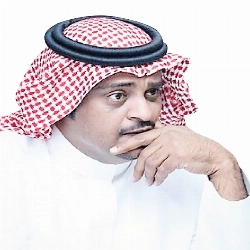
فواز الشريف
إعادة إمبراطورية الصحافة الرياضية
21 يوليو 2025 - 00:13
|
آخر تحديث 21 يوليو 2025 - 00:13


تابع قناة عكاظ على الواتساب
Let's admit that "the media" in general has been shaken by the "social media" phenomenon, which has left it reeling even as I write these lines—a shock that has stripped it of its balance and perhaps its status. There are no specific entities responsible for this; rather, it is the genuine momentum of the tech world and what is known as artificial intelligence, an open broadcasting realm where public relations and marketing companies have found a real opportunity to wrestle the powers of the "fourth estate," to strip it of its fangs, shatter its dominance, capture its audiences, and occupy its place.
The empire of sports journalism has been directly affected, finding itself in a real confrontation with changing "media" concepts. For the past fifteen years, it has accepted many concessions in order to survive, even on the margins of events. Marketing has taken its toll by transforming the "advertising" individual, who possesses a certain savvy, into a "journalist," pulling the red carpet from under our feet at a time when we were desperately in need of survival, even without that carpet. This situation has not helped us defend the larger idea that journalists have over advertisers, at least, and we now stand at the ticket counter as if we are fashion models who are distinguished by shiny colors while we cling to etiquette.
I know that this wave is just the beginning of significant changes, but at the very least, let us try to revive our sports journalism and utilize the tools of technology, direct communication, and remote work systems.
Let us think aloud as we, who have already won the media round by managing to export specialized sports journalism and owning the narrative scenario and scene depiction, now refrain from thinking about achieving material gains as much as we think about the necessity of working to share the "bread" and remain in front of this new reality. The profession of a journalist—specifically the sports journalist, which is my place and homeland where I grew up—is transforming from within my hands into a different being and an abandoned place from its masters, with its own methods and tools. In return, I know of a gem, and with you, I seek an innovative way to restore its stage after the collapse of major media institutions and the disappearance of others, allowing smaller and more widespread marketing institutions to take their place at a lower cost, which the audience sees as sufficient.
The journalist's profession is akin to that of a "jewelry designer," one of the richest and most beautiful professions, yet it is among those that have faded away. If we look back at its history, only those names that have transformed from individual work into companies, and from individuals into machines, remain. In the spirit of my writing, I do not mean the passion for sports journalism as much as I mean its income sources in a profession that has become very different and has very different tools—a profession that has become beholden to hashtags and trends, which drives it toward the face we have been avoiding throughout our journeys, the dividing line between yellow and other colors.
The "tanner," "dyer," "woodcutter," and others from the artisans who distinguished individual work from that of their peers have disappeared, and along the way, there are other professions that will vanish. This is a reality we must accept and acknowledge, including sports journalism. The player can create his story, as can the coach and the administrator, and publish it, just like all components of sports work. Therefore, I began to search for some ideas that could postpone this or create a new reality, such as forming sports media groups led by the International Sports Press Association, at least by enlightening them about what is happening around them through its sessions and platform to exploit the tools of technology and the open world, and remote work to create small news agencies for a reporter in China, a photographer in Italy, a producer in America, and a creative here in Jeddah, who dig for information as a jeweler digs for precious stones, writing with the eye of the field, not with the tongue of advertising, knowing when to be silent to give the event its dignity, and when to speak to give the opinion its value.
The sports journalist—who is the focus of my discussion—has handed over some of his roles to those who only excel at promotion, leading to a blurring of the lines between (journalist) and (advertiser). The spirit has vanished, leaving only the image; the soft language, soft power, relationship building, and impression construction have disappeared, transforming events into mere marketing occasions controlled by money and indulgence.
To be honest with you today, the journalist is no longer at the heart of the battle, at the center of the event; instead, he has become on the margins of everything, and all professions are racing to take revenge on him and those he represents, in a world that measures success by the number of views, regardless of the nature, importance, or impact of the scene.
The transformation that sports journalism is undergoing has not been smooth; rather, it has been violent and harsh. The reporter who used to prepare his reports from the heart of the event has been replaced by quick content and flashy interfaces, and the writer who used to spend hours between the lines has been replaced by automated text produced in seconds. Journalists are no longer required to be creative but to repeat what is said, not to discuss, and to fill the void without raising questions.
Amid this foggy reality, I find myself astonished, "searching for myself but not finding me." I wonder how we can at least keep pace with what is happening, especially for those like me who have no profession other than this one? I look at those who are at the beginning of the road, as if I want to scream: do not take another step, my son; it is an unsafe path.
The empire of sports journalism has been directly affected, finding itself in a real confrontation with changing "media" concepts. For the past fifteen years, it has accepted many concessions in order to survive, even on the margins of events. Marketing has taken its toll by transforming the "advertising" individual, who possesses a certain savvy, into a "journalist," pulling the red carpet from under our feet at a time when we were desperately in need of survival, even without that carpet. This situation has not helped us defend the larger idea that journalists have over advertisers, at least, and we now stand at the ticket counter as if we are fashion models who are distinguished by shiny colors while we cling to etiquette.
I know that this wave is just the beginning of significant changes, but at the very least, let us try to revive our sports journalism and utilize the tools of technology, direct communication, and remote work systems.
Let us think aloud as we, who have already won the media round by managing to export specialized sports journalism and owning the narrative scenario and scene depiction, now refrain from thinking about achieving material gains as much as we think about the necessity of working to share the "bread" and remain in front of this new reality. The profession of a journalist—specifically the sports journalist, which is my place and homeland where I grew up—is transforming from within my hands into a different being and an abandoned place from its masters, with its own methods and tools. In return, I know of a gem, and with you, I seek an innovative way to restore its stage after the collapse of major media institutions and the disappearance of others, allowing smaller and more widespread marketing institutions to take their place at a lower cost, which the audience sees as sufficient.
The journalist's profession is akin to that of a "jewelry designer," one of the richest and most beautiful professions, yet it is among those that have faded away. If we look back at its history, only those names that have transformed from individual work into companies, and from individuals into machines, remain. In the spirit of my writing, I do not mean the passion for sports journalism as much as I mean its income sources in a profession that has become very different and has very different tools—a profession that has become beholden to hashtags and trends, which drives it toward the face we have been avoiding throughout our journeys, the dividing line between yellow and other colors.
The "tanner," "dyer," "woodcutter," and others from the artisans who distinguished individual work from that of their peers have disappeared, and along the way, there are other professions that will vanish. This is a reality we must accept and acknowledge, including sports journalism. The player can create his story, as can the coach and the administrator, and publish it, just like all components of sports work. Therefore, I began to search for some ideas that could postpone this or create a new reality, such as forming sports media groups led by the International Sports Press Association, at least by enlightening them about what is happening around them through its sessions and platform to exploit the tools of technology and the open world, and remote work to create small news agencies for a reporter in China, a photographer in Italy, a producer in America, and a creative here in Jeddah, who dig for information as a jeweler digs for precious stones, writing with the eye of the field, not with the tongue of advertising, knowing when to be silent to give the event its dignity, and when to speak to give the opinion its value.
The sports journalist—who is the focus of my discussion—has handed over some of his roles to those who only excel at promotion, leading to a blurring of the lines between (journalist) and (advertiser). The spirit has vanished, leaving only the image; the soft language, soft power, relationship building, and impression construction have disappeared, transforming events into mere marketing occasions controlled by money and indulgence.
To be honest with you today, the journalist is no longer at the heart of the battle, at the center of the event; instead, he has become on the margins of everything, and all professions are racing to take revenge on him and those he represents, in a world that measures success by the number of views, regardless of the nature, importance, or impact of the scene.
The transformation that sports journalism is undergoing has not been smooth; rather, it has been violent and harsh. The reporter who used to prepare his reports from the heart of the event has been replaced by quick content and flashy interfaces, and the writer who used to spend hours between the lines has been replaced by automated text produced in seconds. Journalists are no longer required to be creative but to repeat what is said, not to discuss, and to fill the void without raising questions.
Amid this foggy reality, I find myself astonished, "searching for myself but not finding me." I wonder how we can at least keep pace with what is happening, especially for those like me who have no profession other than this one? I look at those who are at the beginning of the road, as if I want to scream: do not take another step, my son; it is an unsafe path.