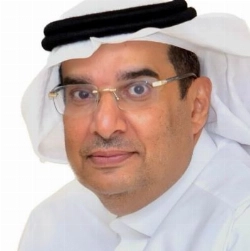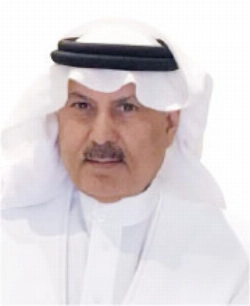
يمر لبنان اليوم بمنعطف تاريخي خطير، وسط تصاعد الضغوط الدولية والعربية عليه، وخصوصًا من الولايات المتحدة الأمريكية والمملكة العربية السعودية. أتت زيارتا المبعوث الأمريكي توم براك، والأمير السعودي يزيد بن فرحان إلى بيروت في هذا السياق الحسّاس، حيث حملا رسائل واضحة حول مستقبل لبنان وشروط الدعم الخارجي.
حمل المبعوث الأمريكي توم براك معه إلى بيروت ورقة أمريكية تتضمن خارطة طريق واضحة لإنهاء الأزمة اللبنانية. أبرز بنود هذه الورقة تتعلق بمصير سلاح «حزب الله» وضرورة حصر السلاح بيد الدولة اللبنانية، مقابل وعود بانسحاب إسرائيلي من الجنوب وبدء ورشة إعادة إعمار واسعة. كما تضمنت الورقة ضمانات دولية بوقف العمليات العسكرية الإسرائيلية، وإطلاق سراح الأسرى، والإفراج عن أموال إعادة الإعمار، بشرط التزام لبنان الكامل بتنفيذ المطالب الأمريكية.
حذّر براك المسؤولين اللبنانيين من أن هذه الفرصة قد لا تتكرر، مشدّدًا على أن المجتمع الدولي لن يدعم إعادة إعمار لبنان ما لم يتم تسليم السلاح للدولة، وأن أي تهاون أو مماطلة في الرد سيؤدي إلى عواقب وخيمة على مستقبل لبنان السياسي والاقتصادي.
تزامنًا مع زيارة براك، حضر الأمير السعودي يزيد بن فرحان إلى بيروت في لحظة سياسية دقيقة. حملت زيارته رسائل دعم مشروط من المملكة العربية السعودية، حيث أكد على ضرورة تنفيذ إصلاحات مالية واقتصادية حقيقية، والالتزام بمسار الاتفاق مع صندوق النقد الدولي، إضافة إلى معالجة ملف سلاح «حزب الله» وتطبيق اتفاق الطائف بكافة بنوده.
أشارت مصادر سياسية إلى أن السعودية، بالتنسيق مع الولايات المتحدة، تنتظر من لبنان خطوات عملية وجدية، معتبرة أن استمرار الوضع الحالي سيؤدي إلى وقف أي دعم مالي أو سياسي من الخليج للبنان، ما يعمق عزلته ويزيد من أزماته الداخلية.
واليوم أتى المبعوث الأمريكي توم براك مجدّداً إلى بيروت ليتسلم رد الدولة اللبنانية على الورقة الأمريكية، وبعد اجتماعه مع الرئيس اللبناني جوزيف عون، أعرب براك عن رضاه بأن الاجتماع كان بناءً ومرضيًا، وأكد على تقديره للهجة المتوازنة التي ظهرت في الرد على المطالب الأمريكية. وأشار إلى أن هناك فرصة متاحة، واللبنانيون أكثر من غيرهم قدرةً على اختيار السُبل الأمثل لاستغلالها، معبّرًا عن رضاه التام عن الرد اللبناني. وأضاف أنهم بحاجة إلى فترة للتفكير والتقييم، وعلى لبنان التعلم من دروس اتفاق الطائف، وأنّ الآلية التي كانت موجودة بين لبنان وإسرائيل لم تسر في المسار الصحيح.
فهو يشير هنا إلى أهمية الاستفادة من تجربة اتفاق الطائف كوثيقة وطنية أنهت الحرب الأهلية اللبنانية وأرست مبادئ الوحدة الوطنية وسيادة الدولة، مع التأكيد على أن الآليات أو الاتفاقات السابقة بين لبنان وإسرائيل لم تحقق النتائج المرجوة.
إن لبنان اليوم أمام «النداء الأخير»: إما الاستجابة لمطالب المجتمع الدولي والعربي، واتخاذ قرارات جريئة تضمن حصر السلاح بيد الدولة وتنفيذ الإصلاحات، أو مواجهة عزلة وانهيار قد يكونان الأخطر في تاريخه الحديث. الكرة في ملعب الدولة اللبنانية، والوقت يضيق أمام اتخاذ القرار المصيري.


تابع قناة عكاظ على الواتساب
Lebanon is currently at a dangerous historical turning point, amid escalating international and Arab pressures, particularly from the United States and Saudi Arabia. The visits of U.S. envoy Tom Barak and Saudi Prince Khalid bin Farhan to Beirut came in this sensitive context, carrying clear messages about Lebanon's future and the conditions for external support.
U.S. envoy Tom Barak brought with him to Beirut an American paper that includes a clear roadmap to end the Lebanese crisis. The main points of this paper concern the fate of Hezbollah's weapons and the necessity of restricting arms to the Lebanese state, in exchange for promises of an Israeli withdrawal from the south and the initiation of a large-scale reconstruction effort. The paper also included international guarantees to halt Israeli military operations, release prisoners, and free reconstruction funds, on the condition of Lebanon's full commitment to implementing U.S. demands.
Barak warned Lebanese officials that this opportunity may not be repeated, emphasizing that the international community will not support the reconstruction of Lebanon unless arms are handed over to the state, and that any leniency or delay in response will lead to dire consequences for Lebanon's political and economic future.
Coinciding with Barak's visit, Saudi Prince Khalid bin Farhan arrived in Beirut at a politically delicate moment. His visit carried messages of conditional support from the Kingdom of Saudi Arabia, where he stressed the need for genuine financial and economic reforms, adherence to the agreement with the International Monetary Fund, in addition to addressing the issue of Hezbollah's weapons and implementing the Taif Agreement in all its provisions.
Political sources indicated that Saudi Arabia, in coordination with the United States, is waiting for Lebanon to take practical and serious steps, considering that the continuation of the current situation will lead to the cessation of any financial or political support from the Gulf to Lebanon, deepening its isolation and exacerbating its internal crises.
Today, U.S. envoy Tom Barak returned to Beirut to receive the Lebanese state's response to the American paper, and after his meeting with Lebanese President Joseph Aoun, Barak expressed satisfaction that the meeting was constructive and satisfactory, and he emphasized his appreciation for the balanced tone that appeared in the response to the American demands. He noted that there is an available opportunity, and the Lebanese are more than anyone else capable of choosing the best ways to exploit it, expressing his complete satisfaction with the Lebanese response. He added that they need a period for reflection and evaluation, and Lebanon must learn from the lessons of the Taif Agreement, and that the mechanism that existed between Lebanon and Israel did not proceed in the right direction.
He refers here to the importance of benefiting from the experience of the Taif Agreement as a national document that ended the Lebanese civil war and established the principles of national unity and state sovereignty, while emphasizing that previous mechanisms or agreements between Lebanon and Israel did not achieve the desired results.
Lebanon today is facing the "last call": either respond to the demands of the international and Arab community and make bold decisions that ensure the restriction of arms to the state and implement reforms, or face isolation and collapse that could be the most dangerous in its modern history. The ball is in the court of the Lebanese state, and time is running out for making this fateful decision.
U.S. envoy Tom Barak brought with him to Beirut an American paper that includes a clear roadmap to end the Lebanese crisis. The main points of this paper concern the fate of Hezbollah's weapons and the necessity of restricting arms to the Lebanese state, in exchange for promises of an Israeli withdrawal from the south and the initiation of a large-scale reconstruction effort. The paper also included international guarantees to halt Israeli military operations, release prisoners, and free reconstruction funds, on the condition of Lebanon's full commitment to implementing U.S. demands.
Barak warned Lebanese officials that this opportunity may not be repeated, emphasizing that the international community will not support the reconstruction of Lebanon unless arms are handed over to the state, and that any leniency or delay in response will lead to dire consequences for Lebanon's political and economic future.
Coinciding with Barak's visit, Saudi Prince Khalid bin Farhan arrived in Beirut at a politically delicate moment. His visit carried messages of conditional support from the Kingdom of Saudi Arabia, where he stressed the need for genuine financial and economic reforms, adherence to the agreement with the International Monetary Fund, in addition to addressing the issue of Hezbollah's weapons and implementing the Taif Agreement in all its provisions.
Political sources indicated that Saudi Arabia, in coordination with the United States, is waiting for Lebanon to take practical and serious steps, considering that the continuation of the current situation will lead to the cessation of any financial or political support from the Gulf to Lebanon, deepening its isolation and exacerbating its internal crises.
Today, U.S. envoy Tom Barak returned to Beirut to receive the Lebanese state's response to the American paper, and after his meeting with Lebanese President Joseph Aoun, Barak expressed satisfaction that the meeting was constructive and satisfactory, and he emphasized his appreciation for the balanced tone that appeared in the response to the American demands. He noted that there is an available opportunity, and the Lebanese are more than anyone else capable of choosing the best ways to exploit it, expressing his complete satisfaction with the Lebanese response. He added that they need a period for reflection and evaluation, and Lebanon must learn from the lessons of the Taif Agreement, and that the mechanism that existed between Lebanon and Israel did not proceed in the right direction.
He refers here to the importance of benefiting from the experience of the Taif Agreement as a national document that ended the Lebanese civil war and established the principles of national unity and state sovereignty, while emphasizing that previous mechanisms or agreements between Lebanon and Israel did not achieve the desired results.
Lebanon today is facing the "last call": either respond to the demands of the international and Arab community and make bold decisions that ensure the restriction of arms to the state and implement reforms, or face isolation and collapse that could be the most dangerous in its modern history. The ball is in the court of the Lebanese state, and time is running out for making this fateful decision.