في مرآة حمزة شحاتة: كيف أضعنا حياتنا التي نحب.. لإرضاء الآخرين ؟
4 يوليو 2025 - 00:07
|
آخر تحديث 4 يوليو 2025 - 00:23


تابع قناة عكاظ على الواتساب
خالد الجارالله
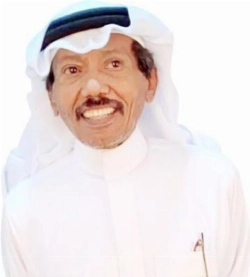
في كل مرة أعود إلى قراءة مقالات الراحل حمزة شحاتة، أشعر وكأنني ألتقيه فعلاً.
لا أملّ من الغوص في عباراته، ولا أكفّ عن ملاحقة تفاصيلنا في مقالاته ونصوصه. ليس لأنه أديب أو مفكر عميق وحسب، بل لأنه كان إنساناً صادقاً يرى الحياة بعمق، ويكتب عنها بصدق عارٍ من التزييف والخوف والتبعية المجتمعية.
حمزة شحاتة، الذي رحل عن هذا العالم قبل أن أولد بأعوام، لا يزال يتحدث عن أعماقنا كأنه جالس على طرف هذا الزمن، يتأمل ما آلت إليه أحوالنا، ويسأل نيابة عنا: هل نحن حقاً نعيش حياتنا كما هي تخصنا.. أم نعيشها كيفما يعجب الآخرين؟!
حين كتب حمزة شحاتة، مقاله «من أنا؟» لم يكن يخطّ معاناة شخصية بقدر ما كان يُفكك هندسة الوعي في مجتمعاتٍ تُرهق الشخصية الفردية الصافية، وتفرض الرتابة والالتزامات عليها، بحكم الحاجة والمستقبل والعادات ونظرات المجتمع على حساب جوهر الحرية الإنسانية.
لقد أدرك حمزة شحاته، في لحظة متأخرة أن حياته لم تكن «حياته»، بل سيرة تمّت كتابتها بفعل الآخرين من أسرة، مجتمع، منظومة، وظيفة، شهرة، تصورات عن النجاح والخير والشر..
فهل ندرك نحن ذلك مبكراً؟!
كم من موظف يعمل في غير تخصصه الذي درسه، ومُبدع قضى مسيرة دراسية طويلة من حياته في مجال لا يحبه، وكاتب لا يعبر عن قناعته، وأزواج اختاروا مصائرهم على حسابهم مشاعرهم وارتياحهم!
هل كسرنا ذلك القيد الذي رآه حمزة يلفّ العقل والخلق، ويحول السلوك إلى قيد أخلاقي مستحيل الفكاك؟
أم أن كل ما تغير منذ نصف قرن هو أن أدوات التقييد أصبحت رقمية؟
اليوم، نحن نعيش في زمن يمنحك ألف طريقة لتختار؛ وظيفتك، ملابسك، نوع قهوتك، زوجتك، بل وحتى اسمك.
لكن الحقيقة المرة: أن ما نسميه «حرية اختيار» عند غالبيتنا مرهون بالخوف من النتيجة، وليس سوى نسخة حديثة من الوهم ذاته الذي سخر منه شحاتة قبل عقود، وقدّم لنا وصفاً لحالنا نحن الذين تأخرنا في لقاء أنفسنا، أو ربما لم نلقها قط.
فالقلق الذي سكن كلماته، هو القلق ذاته الذي يعتصر أبناء هذا العصر: شعور دائم بأننا نُجبر بقناعة على مصائر لا تشبهنا من وظائف وحياة وقرارات وغيرها، وتدفعنا لتقمّص أدوار لا نؤمن بها، والركض في سباق لم نختر خط بدايته، ولا نعرف غايته.
نحن اليوم نُقيد أنفسنا طواعية، نخشى الصدق مع الذات، نخاف من المستقبل، نهرب إلى الضجيج، ونستمع للآراء أكثر من التفكير فيها.
فهل نحن نعيش أم نُستهلك؟ وهل نملك مصائرنا أم نمثلها في مسرح الآخرين؟
أسئلة بحاجة إلى أن نجيب عنها بوعي وصدق.
Every time I return to read the articles of the late Hamza Shahat, I feel as if I am truly meeting him.
I never tire of diving into his phrases, nor do I stop chasing our details in his articles and texts. Not only because he was a writer or a deep thinker, but because he was a sincere human being who saw life profoundly and wrote about it with a raw honesty free from falsification, fear, and societal conformity.
Hamza Shahat, who left this world before I was born by several years, still speaks of our depths as if he is sitting at the edge of this time, contemplating what our conditions have come to, and asking on our behalf: Are we really living our lives as they pertain to us... or are we living them as others please?!
When Hamza Shahat wrote his article "Who Am I?", he was not merely expressing a personal struggle but was deconstructing the architecture of consciousness in societies that burden the pure individual personality, imposing monotony and obligations upon it, due to necessity, future, customs, and societal perceptions at the expense of the essence of human freedom.
Hamza Shahat realized, at a late moment, that his life was not "his life," but rather a narrative written by others—family, society, systems, jobs, fame, and notions of success, good, and evil...
Do we recognize this early on?!
How many employees work in fields unrelated to what they studied, and how many creatives have spent a long academic journey in areas they do not love, and writers who do not express their convictions, and spouses who chose their fates at the expense of their feelings and comfort?!
Have we broken that chain that Hamza saw wrapping around the mind and character, turning behavior into an ethical constraint that is impossible to escape?
Or has everything that has changed in the past half-century been that the tools of constraint have become digital?
Today, we live in an era that offers you a thousand ways to choose; your job, your clothes, your type of coffee, your spouse, and even your name.
But the bitter truth is: what we call "freedom of choice" for most of us is tied to the fear of the outcome, and is nothing more than a modern version of the same illusion that Shahat mocked decades ago, providing us with a description of our state as those who have delayed meeting ourselves, or perhaps have never met ourselves at all.
The anxiety that inhabited his words is the same anxiety that grips the children of this age: a constant feeling that we are compelled by conviction towards fates that do not resemble us—jobs, lives, decisions, and more—that push us to impersonate roles we do not believe in, and to race in a competition whose starting line we did not choose, and whose goal we do not know.
Today, we voluntarily bind ourselves, fearing honesty with ourselves, afraid of the future, fleeing into noise, and listening to opinions more than thinking about them.
So, are we living or are we being consumed? Do we own our destinies or do we perform them on the stage of others?
Questions that need to be answered with awareness and honesty.