اختُتمت الأسبوع الماضي ورشة العمل التي نظمتها جمعية كتّاب الرأي، والتي توزّعت على ثلاث مدن رئيسية: جدة، الرياض، والخبر. وقد حملت الدورة الأخيرة عنوان «تحديات كاتب الرأي وما يجب عليه معرفته»، وجاءت غنية بتجارب نخبوية ونقاشات صريحة. لكن ما لفت الانتباه حقًا هو سؤال تكرّر بصوتٍ خافتٍ تارة، ومباشرٍ تارة أخرى: هل لا تزال مساحة التعبير محفوظة للكاتب حين يطرح رأياً صريحاً في شأنٍ عام؟
الإجابة لم تأتِ من القاعة، بل من خارجها، حين أدلى معالي وزير الإعلام بتصريح بالغ الأهمية قال فيه: «طالما نتحدث عن الحرية المنضبطة، بالعكس، نحن نشجع الإعلام على كشف العيوب، ومن حقهم على المواطنين أن يتحدثوا بالطريقة المناسبة التي يرونها في خدمة بلدهم. وسائل الإعلام عندما تتناول أداء جهة أو خدمة، فهذا جزء من واجبها، وهو يقدم خدمة للحكومة. نحن لا نعتبره سلوكًا سلبيًا، بل نراه واجبًا أصيلًا».
هذا التصريح، في جوهره، لا يبرّر المساحة المتاحة للرأي، بل يؤصّلها ضمن مفهوم رفيع: أن المسؤولية الإعلامية لا تنفصل عن الأمانة الوطنية، وأن الإشارة إلى أوجه الخلل حين تكون نزيهة، ليست خروجًا عن الصف، بل تماهٍ مع روح الدولة التي تريد أن ترى وتُرى.
وفي خضم الجدل الذي يُثار أحيانًا، من المهم التفريق بين «النقد» و«الانتقاد»؛ فالنقد فعلٌ بصيرٌ يُشير إلى الخلل دون أن يُلغِي الإنجاز، بينما الانتقاد نزعة عدميّة لا ترى في المشهد إلا ما يُعكّره. فالأول يبني، والثاني يهدم. الأول إصلاح، والثاني انفعال.
ما نعيشه اليوم في المملكة ليس حالة من الانفتاح الإعلامي بالمفهوم الكلاسيكي، بل هو إعادة صياغة العلاقة بين الكاتب والمؤسسة. الكاتب لم يعد كيانًا موازيًا يعلّق من الخارج، بل شريكًا واعيًا يملك أدوات الرؤية، ويُسهم في ضبط المسار. لا يكتب من منطلق المواجهة، بل من رغبة صادقة في التحسين، ومن حسٍّ رفيع بالواجب تجاه وطنه.
«الحرية المنضبطة» ليست شعارًا تُكرره البيانات، بل رؤية واعية: تُقدّر الرأي حين يُبنى على معرفة، وتحترم الكلمة حين تُقال بنيّة الإصلاح لا التشهير. إنها ليست قيودًا ناعمة كما يتوهّم البعض، بل آداب ممارسة رفيعة تُحافظ على جمالية الطرح، ومكانة الكاتب، وهيبة الدولة معًا.
وفي ظل رؤية المملكة 2030، وما نشهده من انفتاح فكري وإعلامي غير مسبوق، تتّضح ملامح مرحلة جديدة: حرية الرأي ليست فقط مكفولة، بل موجهة نحو البناء، لا نحو التشهير. نحو كشف أوجه القصور دون طمس الإنجاز. فالمسؤولية لا تكتمل بالإشارة إلى الخلل فحسب، بل بتقديم الرؤية التي تُحسّن وتُضيف.
إننا نكتب لأننا ننتمي. نُشير لأننا نؤمن أن الأفضل ممكن. وفي ظل هذا الوعي، تصبح حرية الكاتب ليست امتيازًا ممنوحًا، بل مسؤولية وطنية تُمارَس بصدق، وبصيرة، ووفاء.
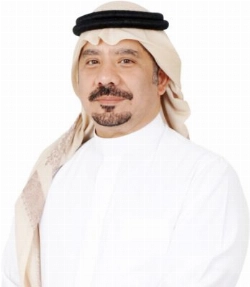
فراس طرابلسي
الحرية المنضبطة.. حقيقة وليست شعارات
27 يونيو 2025 - 00:03
|
آخر تحديث 27 يونيو 2025 - 00:03


تابع قناة عكاظ على الواتساب
Last week, the workshop organized by the Opinion Writers Association concluded, which was held in three major cities: Jeddah, Riyadh, and Khobar. The last session was titled "Challenges of the Opinion Writer and What They Should Know," and it was rich with elite experiences and candid discussions. However, what truly caught attention was a question that was repeated in a hushed tone at times and directly at others: Is the space for expression still preserved for the writer when they express a clear opinion on a public matter?
The answer did not come from the hall but from outside it, when the Minister of Media made a highly significant statement in which he said: "As long as we talk about regulated freedom, on the contrary, we encourage the media to expose flaws, and it is the right of citizens to speak in the appropriate manner they see fit to serve their country. When the media addresses the performance of an entity or service, this is part of its duty, and it serves the government. We do not consider it a negative behavior; rather, we see it as a fundamental duty."
This statement, in its essence, does not justify the available space for opinion but rather establishes it within a lofty concept: that media responsibility is inseparable from national integrity, and that pointing out flaws when it is done honestly is not a deviation from the norm, but rather an alignment with the spirit of the state that wants to see and be seen.
In the midst of the debates that sometimes arise, it is important to distinguish between "criticism" and "censorship"; for criticism is a discerning act that points out flaws without negating achievements, while censorship is a nihilistic tendency that sees only what tarnishes the scene. The former builds, while the latter destroys. The former is reform, while the latter is reaction.
What we are experiencing today in the Kingdom is not a case of media openness in the classical sense, but rather a redefinition of the relationship between the writer and the institution. The writer is no longer a parallel entity commenting from the outside, but a conscious partner who possesses the tools of vision and contributes to steering the course. They do not write from a standpoint of confrontation, but from a sincere desire for improvement and a refined sense of duty towards their country.
"Regulated freedom" is not a slogan repeated in statements, but a conscious vision: it values opinion when it is based on knowledge and respects the word when it is spoken with the intention of reform, not defamation. It is not soft constraints as some may imagine, but rather elevated practices that maintain the beauty of the discourse, the status of the writer, and the dignity of the state together.
In light of Vision 2030 for the Kingdom, and what we are witnessing of unprecedented intellectual and media openness, the outlines of a new phase become clear: freedom of opinion is not only guaranteed but directed towards building, not defamation. Towards revealing shortcomings without obscuring achievements. Responsibility is not complete by merely pointing out flaws, but by presenting a vision that improves and adds.
We write because we belong. We point out because we believe that better is possible. In light of this awareness, the freedom of the writer becomes not a granted privilege, but a national responsibility practiced with sincerity, insight, and loyalty.
The answer did not come from the hall but from outside it, when the Minister of Media made a highly significant statement in which he said: "As long as we talk about regulated freedom, on the contrary, we encourage the media to expose flaws, and it is the right of citizens to speak in the appropriate manner they see fit to serve their country. When the media addresses the performance of an entity or service, this is part of its duty, and it serves the government. We do not consider it a negative behavior; rather, we see it as a fundamental duty."
This statement, in its essence, does not justify the available space for opinion but rather establishes it within a lofty concept: that media responsibility is inseparable from national integrity, and that pointing out flaws when it is done honestly is not a deviation from the norm, but rather an alignment with the spirit of the state that wants to see and be seen.
In the midst of the debates that sometimes arise, it is important to distinguish between "criticism" and "censorship"; for criticism is a discerning act that points out flaws without negating achievements, while censorship is a nihilistic tendency that sees only what tarnishes the scene. The former builds, while the latter destroys. The former is reform, while the latter is reaction.
What we are experiencing today in the Kingdom is not a case of media openness in the classical sense, but rather a redefinition of the relationship between the writer and the institution. The writer is no longer a parallel entity commenting from the outside, but a conscious partner who possesses the tools of vision and contributes to steering the course. They do not write from a standpoint of confrontation, but from a sincere desire for improvement and a refined sense of duty towards their country.
"Regulated freedom" is not a slogan repeated in statements, but a conscious vision: it values opinion when it is based on knowledge and respects the word when it is spoken with the intention of reform, not defamation. It is not soft constraints as some may imagine, but rather elevated practices that maintain the beauty of the discourse, the status of the writer, and the dignity of the state together.
In light of Vision 2030 for the Kingdom, and what we are witnessing of unprecedented intellectual and media openness, the outlines of a new phase become clear: freedom of opinion is not only guaranteed but directed towards building, not defamation. Towards revealing shortcomings without obscuring achievements. Responsibility is not complete by merely pointing out flaws, but by presenting a vision that improves and adds.
We write because we belong. We point out because we believe that better is possible. In light of this awareness, the freedom of the writer becomes not a granted privilege, but a national responsibility practiced with sincerity, insight, and loyalty.