تولد صناعة الأجنحة في المعارض كفنٍ يمشي على خيط مشدود بين الإبداع والانضباط بمثابة عوالم تُصمم لتُدهش وتبقى في الذاكرة. وتعتبر صناعة الأجنحة في المعارض ركيزة أساسية في نجاح أي فعالية إذ لا يقتصر دورها على تقديم المساحات والديكورات، بل يتعداها إلى صناعة تجربة متكاملة تعكس هوية العلامة التجارية وتخدم أهداف العارض. فالمنظم هو مخرج التجربة يعرف كيف يختار فريق التنفيذ، أما المقاول فهو الحرفي الصامت الذي يقرأ بين خطوط التصميم وينفذ ويستدعي ذلك تناغمًا احترافيًا بين الطرفين لضمان الجودة والابتكار، حيث تشمل صناعة الأجنحة تصميم وبناء المساحات المخصصة للعارضين داخل المعارض والمؤتمرات، وهي عملية تجمع بين الإبداع الفني والهندسة التقنية ومتطلبات التسويق البصري. وتختلف الأجنحة في معارض المملكة بحسب نوع الفعالية والجمهور المستهدف، منها ما يخاطب المستثمر ومنها ما يُبهر الزائر ومنها ما يفتح أبواب المستقبل برؤية تتناغم مع طموحات رؤية 2030، فكل جناح يُبنى يحمل معه جزءاً من شخصية المملكة: التنوّع، العمق، القوة، والانبهار.
ويأتي دور المقاول محوراً أساسياً في هذا الإنجاز، وهو أيضاً شريك حقيقي في صياغة الصورة التي تُعرض أمام العالم والمسؤول عن قراءة التصاميم وتحليلها وتنفيذ الأعمال الخشبية والألومنيوم والديكور وأيضاً توريد الشاشات والإضاءة والأثاث والتقيّد بمعايير السلامة والجودة التي تليق باسم المملكة.
كما أن دور المنظم يلعب هنا ليكون الحارس الأول لجودة التجربة والبوصلة التي توجه كل تفصيل نحو الهدف الأكبر، وهو تمثيل المملكة بأبهى صورة في فضاء المنافسة الدولية، ويُبنى هذا الدور على ثلاث ركائز وطنية راسخة:
1- اختيار شركاء التنفيذ بعناية لا تقبل المجاملة، فالمنظم يختار المقاولين وفق كفاءتهم وخبرتهم وقدرتهم على مواكبة رؤية المعرض ورسالة الوطن خلفه.
2- وضع معايير تصميمية موحدة؛ لضمان الجمال البصري وتأكيد الهوية الوطنية الموحدة في كل جناح وكل زاوية من زوايا المعرض.
3- إدارة الجودة والمتابعة الميدانية، فالمنظم يتابع بنفسه سير العمل ويتأكد أن كل مرحلة تُنفذ وفق الجدول الزمني والدقة الفنية المطلوبة، كما يدير العلاقة بين العارض والمقاول بحكمة تضمن التكامل لا التضارب، وتتحقق أفضل النتائج حين تتحوّل العلاقة بين المنظم والمقاول إلى شراكة وطنية حقيقية تقوم على:
- وضوح الأدوار والمسؤوليات من البداية دون لبس أو اجتهاد.
- تواصل دائم ومرن لا يعرف التردد أو الانقطاع.
- التزام المقاول الصارم بمعايير الجودة التي تمثل سمعة الفعالية وواجهة الوطن.
- قدرة المنظم على فض النزاعات بحكمة وتقديم حلول ميدانية سريعة تحفظ سير العمل وتُجنب الفوضى.
هذا التكامل بين الفكر والتنفيذ هو ما يصنع الفرق وما يحوّل الجناح من مساحة صامتة إلى قصة تُروى بلغة الاحتراف وتُبهر بلغة الإنجاز.
ومن أبرز التحديات التي تواجه صناعة الأجنحة: ضغط الوقت وتغيّر الطلبات في اللحظات الأخيرة، تفاوت الميزانيات، وعدم وضوح التوقعات. وتتمثل الحلول في:
- وضع جداول زمنية واضحة ومُلزمة.
- التواصل المسبق مع العارضين لتحديد احتياجاتهم بدقة.
- تطوير أدلة تنفيذ موحدة (Production Manuals).
- الاستفادة من التقنيات الرقمية في التصور المسبق ثلاثي الأبعاد (3D Rendering).
ومع تسارع التحوّل الذي تشهده المملكة في قطاعاتها الحيوية تُصبح صناعة المعارض ركيزة من ركائز الاقتصاد الجديد ومستقبلها يُرسم اليوم عبر تطوير منظومة العمل بين المنظم والمقاول لتحقيق تجارب ذات قيمة مضافة لا تُقاس فقط بعدد الزوار، بل بمدى تأثير المعرض في تشكيل الانطباع عن وطن يتقن التنظيم ويجيد الحضور ويصنع الفرق.
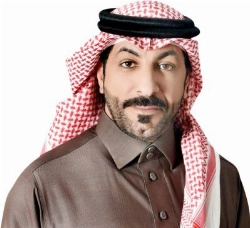
سلمان بن سهيل العطاوي
أجنحة المعارض.. تحويل الصامت إلى قصص تُروى..!
9 يونيو 2025 - 00:03
|
آخر تحديث 9 يونيو 2025 - 00:03


تابع قناة عكاظ على الواتساب
The wing industry in exhibitions is born as an art that walks on a tightrope between creativity and discipline, serving as worlds designed to amaze and remain in memory. The wing industry in exhibitions is considered a fundamental pillar in the success of any event, as its role extends beyond providing spaces and decorations to creating a comprehensive experience that reflects the brand identity and serves the exhibitor's goals. The organizer is the director of the experience who knows how to choose the execution team, while the contractor is the silent craftsman who reads between the lines of the design and implements it. This requires a professional harmony between the two parties to ensure quality and innovation, as the wing industry includes the design and construction of spaces allocated for exhibitors within exhibitions and conferences. It is a process that combines artistic creativity, technical engineering, and visual marketing requirements. The wings in the Kingdom's exhibitions vary according to the type of event and the target audience; some address investors, some amaze visitors, and some open doors to the future with a vision that resonates with the aspirations of Vision 2030. Each wing built carries with it a part of the Kingdom's personality: diversity, depth, strength, and wonder.
The contractor's role is central to this achievement, and he is also a true partner in shaping the image presented to the world. He is responsible for reading, analyzing the designs, executing the wooden and aluminum works, and the decoration, as well as supplying screens, lighting, and furniture while adhering to safety and quality standards befitting the Kingdom's name.
The organizer's role here is to be the first guardian of the quality of the experience and the compass that directs every detail toward the larger goal, which is to represent the Kingdom in the best light in the international competition arena. This role is built on three solid national pillars:
1- Carefully selecting execution partners without accepting flattery; the organizer chooses contractors based on their competence, experience, and ability to keep pace with the exhibition's vision and the nation's message behind it.
2- Establishing unified design standards to ensure visual beauty and affirm the unified national identity in every wing and every corner of the exhibition.
3- Quality management and field monitoring; the organizer personally follows the workflow and ensures that each phase is executed according to the timeline and the required technical precision. He also manages the relationship between the exhibitor and the contractor wisely to ensure integration rather than conflict. The best results are achieved when the relationship between the organizer and the contractor transforms into a true national partnership based on:
- Clarity of roles and responsibilities from the beginning without ambiguity or speculation.
- Continuous and flexible communication that knows no hesitation or interruption.
- The contractor's strict commitment to quality standards that represent the event's reputation and the nation's facade.
- The organizer's ability to resolve disputes wisely and provide quick field solutions that maintain workflow and avoid chaos.
This integration between thought and execution is what makes the difference and transforms the wing from a silent space into a story told in the language of professionalism and dazzles in the language of achievement.
Among the most prominent challenges facing the wing industry are: time pressure, last-minute changes in requests, budget variations, and unclear expectations. Solutions include:
- Establishing clear and binding timelines.
- Pre-communication with exhibitors to accurately determine their needs.
- Developing unified execution guides (Production Manuals).
- Utilizing digital technologies in three-dimensional pre-visualization (3D Rendering).
With the rapid transformation witnessed by the Kingdom in its vital sectors, the exhibition industry becomes a pillar of the new economy, and its future is being shaped today through the development of the work system between the organizer and the contractor to achieve experiences with added value that are not only measured by the number of visitors but by the extent of the exhibition's impact in shaping the impression of a nation that excels in organization, masters presence, and makes a difference.
The contractor's role is central to this achievement, and he is also a true partner in shaping the image presented to the world. He is responsible for reading, analyzing the designs, executing the wooden and aluminum works, and the decoration, as well as supplying screens, lighting, and furniture while adhering to safety and quality standards befitting the Kingdom's name.
The organizer's role here is to be the first guardian of the quality of the experience and the compass that directs every detail toward the larger goal, which is to represent the Kingdom in the best light in the international competition arena. This role is built on three solid national pillars:
1- Carefully selecting execution partners without accepting flattery; the organizer chooses contractors based on their competence, experience, and ability to keep pace with the exhibition's vision and the nation's message behind it.
2- Establishing unified design standards to ensure visual beauty and affirm the unified national identity in every wing and every corner of the exhibition.
3- Quality management and field monitoring; the organizer personally follows the workflow and ensures that each phase is executed according to the timeline and the required technical precision. He also manages the relationship between the exhibitor and the contractor wisely to ensure integration rather than conflict. The best results are achieved when the relationship between the organizer and the contractor transforms into a true national partnership based on:
- Clarity of roles and responsibilities from the beginning without ambiguity or speculation.
- Continuous and flexible communication that knows no hesitation or interruption.
- The contractor's strict commitment to quality standards that represent the event's reputation and the nation's facade.
- The organizer's ability to resolve disputes wisely and provide quick field solutions that maintain workflow and avoid chaos.
This integration between thought and execution is what makes the difference and transforms the wing from a silent space into a story told in the language of professionalism and dazzles in the language of achievement.
Among the most prominent challenges facing the wing industry are: time pressure, last-minute changes in requests, budget variations, and unclear expectations. Solutions include:
- Establishing clear and binding timelines.
- Pre-communication with exhibitors to accurately determine their needs.
- Developing unified execution guides (Production Manuals).
- Utilizing digital technologies in three-dimensional pre-visualization (3D Rendering).
With the rapid transformation witnessed by the Kingdom in its vital sectors, the exhibition industry becomes a pillar of the new economy, and its future is being shaped today through the development of the work system between the organizer and the contractor to achieve experiences with added value that are not only measured by the number of visitors but by the extent of the exhibition's impact in shaping the impression of a nation that excels in organization, masters presence, and makes a difference.