نعايش اليوم ولادة مفاهيم مختلفة، فالطيران ما عاد يكتفي بنقل المسافر من محطة إلى محطة، بل صار يسعى لمرافقته في رحلة أطول؛ من الفضول إلى السؤال إلى الانبهار، ومن بطاقة الصعود إلى المخيّلة إلى السحاب.
لعقود، ظل الطيران وسيلة نقل حديثة، لكنّه في السنوات الأخيرة تجاوز نقل الأجساد والمواد وأصبح وسطاً نشطاً لحمل الثقافات وتبادل الفنون وتعزيز القيم الحضارية المشتركة بين الشعوب؛ لذا سعدتُ وأنا أقرأ قبل يومين خبر توقيع اتفاقية تعاون إستراتيجية بين طيران الرياض ووزارة الثقافة، هذا الالتقاء بين الأجنحة والفكر يبشّر بالتحليق نحو آفاق جديدة من المعنى.
فكرة التعاون بين شركات الطيران والمؤسسات الثقافية ليست جديدة، فعلى سبيل المثال أطلقت الخطوط السعودية العام الماضي مبادرة «فنجال القهوة السعودية» بالتعاون مع وزارة الثقافة، وهي قبل ذلك بسنوات طويلة جسّدت هويتنا بتفاصيل خلّاقة كالمصلّى ودعاء السفر والقهوة والتمر، خارجياً نجد أن طيران الاتحاد ارتبط بعلاقه إستراتيجية مع متحف لوفر أبوظبي، ولدى الخطوط اليابانية مبادرات كثيرة لترويج التقاليد اليابانية، كما تعاونت الخطوط الفنلندية مع متحف «آلتو» لتزيين طائراتها من الداخل برسوم مستوحاة من الفن الاسكندنافي، والأمثلة كثيرة غير أن الأبرز هو «مهرجان طيران الإمارات للآداب» الذي أقيمت نسخته السابعة عشرة في فبراير الماضي وضم مئات الفعاليات، و36 جلسة شارك بها 160 كاتباً وحضرها الآلاف.
شركات الطيران الكبرى فهمت أن المنافسة لم تعد على المقاعد والرفاهية إنما أصبحت تشمل أيضاً الانتماء وخلق الدهشة، كما أن (الشراكات الثقافية) هي جزء من صناعة الصورة الذهنية للناقل، وكذلك جزء من إستراتيجية أعمق تهدف لنحت الذاكرة البصرية والوجدانية داخل المسافر.
لم تعد الطائرات أجساماً معدنية تحلّق في الأجواء، بل قطع من الوطن تحملُ معها لونه وعطرة وموسيقاه، لقد صار الطيران تعبيراً عن شخصيات البلدان وصورتها، ولم يعد ربط الطيران بالثقافة ترفاً أو دعاية، بل منهج يسهم في تشكيل القوة الناعمة للدول.
في السعودية، ومع تسارع التحولات، تبدو الفرصة مواتية لتوسيع هذا التعاون واستثماره بشكل أفضل، فالمملكة بما تمثله من ثقل تاريخي وثقافي وحضاري، وبما تعيشه من نهضة هي الأجدر بأن تكون نموذجاً عالمياً في هذا المسار، وأتمنى أن تكون الصورة مكتملة لدى وزارة الثقافة والهيئة العامة للطيران المدني، فهناك الكثير من المكاسب الوطنية داخل الإطار.
يمكن لكل مطار أن يكون محطة حضارية متكاملة، ويمكن لكل رحلة تقلع من الرياض أو جدة أو العلا أو نيوم أو البحر الأحمر أو أبها أن تكون بمثابة «سفير ثقافي متنقل» يرى فيه العالم هويتنا الراسخة المتجددة وموروثنا الأصيل المتنوع، وإنسان هذه الأرض الذي يطاول بطموحاته عنان السماء.
يجب أن يكون هناك تناغم بين الجهات المسؤولة في الطيران والثقافة والسياحة والرياضة والترفيه وغيرها؛ لأن التجربة لا يمكن أن تكون فعّالة ما لم يؤمن الجميع بأن الطيران ليس بنية تحتية أو تقنية فقط، بل هو أيضا بنية وجدانية، إنه أحد أكبر المسارح اليومية التي تمر عليها ملايين الأنفس.. فلماذا لا نضيء خشبته؟
لنمنح الطيران لغته الجديدة بوصفه تجربة ثقافية حيّة، ولنترك للمحركات أن تحكي، وللسماء أن تكتب، فهناك بين غيمتين وطن صغير يُحلِّق بثقافتنا.
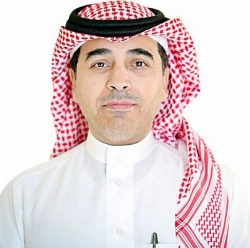
منيف الحربي
الطيران والثقافة.. السفر في ذاكرة الغيم
28 مايو 2025 - 00:06
|
آخر تحديث 28 مايو 2025 - 00:06


تابع قناة عكاظ على الواتساب
Today, we are witnessing the birth of different concepts; aviation is no longer just about transporting passengers from one station to another, but it now seeks to accompany them on a longer journey—from curiosity to questioning to wonder, and from boarding passes to imagination to the clouds.
For decades, aviation remained a modern means of transportation, but in recent years, it has transcended the mere transport of bodies and goods to become an active medium for carrying cultures, exchanging arts, and enhancing shared civilizational values among peoples. Therefore, I was delighted to read two days ago about the signing of a strategic cooperation agreement between Riyadh Airlines and the Ministry of Culture; this meeting between wings and thought heralds soaring towards new horizons of meaning.
The idea of cooperation between airlines and cultural institutions is not new. For example, Saudi Airlines launched the "Saudi Coffee Cup" initiative last year in collaboration with the Ministry of Culture, and long before that, it embodied our identity with creative details such as the prayer area, the travel prayer, coffee, and dates. Externally, Etihad Airways has established a strategic relationship with the Louvre Abu Dhabi, and Japan Airlines has many initiatives to promote Japanese traditions. Finnish Airlines collaborated with the "Alto" Museum to decorate their planes' interiors with designs inspired by Scandinavian art. There are many examples, but the most prominent is the "Emirates Airline Festival of Literature," which held its seventeenth edition last February and included hundreds of events, with 36 sessions featuring 160 writers and attended by thousands.
Major airlines have understood that competition is no longer just about seats and luxury; it now also includes belonging and creating wonder. Moreover, cultural partnerships are part of the mental image of the carrier and also part of a deeper strategy aimed at shaping the visual and emotional memory within the traveler.
Planes are no longer just metal bodies flying in the skies; they are pieces of the homeland carrying its color, fragrance, and music. Aviation has become an expression of the personalities and images of countries, and linking aviation to culture is no longer a luxury or mere advertising, but a methodology that contributes to shaping the soft power of nations.
In Saudi Arabia, with the acceleration of transformations, the opportunity seems ripe to expand this cooperation and invest in it more effectively. The Kingdom, with its historical, cultural, and civilizational weight, and the renaissance it is experiencing, is more than capable of being a global model in this path. I hope that the Ministry of Culture and the General Authority of Civil Aviation have a complete vision, as there are many national gains within this framework.
Every airport can be a comprehensive cultural station, and every flight departing from Riyadh, Jeddah, AlUla, Neom, the Red Sea, or Abha can serve as a "mobile cultural ambassador" through which the world sees our enduring, renewed identity and our rich, authentic heritage, and the people of this land who aspire to reach the skies with their ambitions.
There must be harmony among the responsible entities in aviation, culture, tourism, sports, entertainment, and others; because the experience cannot be effective unless everyone believes that aviation is not just infrastructure or technology, but also an emotional structure. It is one of the largest daily stages that millions of souls pass through... so why not illuminate its stage?
Let us give aviation its new language as a living cultural experience, and let the engines tell the story, and the skies write it, for there is a small homeland soaring with our culture between two clouds.
For decades, aviation remained a modern means of transportation, but in recent years, it has transcended the mere transport of bodies and goods to become an active medium for carrying cultures, exchanging arts, and enhancing shared civilizational values among peoples. Therefore, I was delighted to read two days ago about the signing of a strategic cooperation agreement between Riyadh Airlines and the Ministry of Culture; this meeting between wings and thought heralds soaring towards new horizons of meaning.
The idea of cooperation between airlines and cultural institutions is not new. For example, Saudi Airlines launched the "Saudi Coffee Cup" initiative last year in collaboration with the Ministry of Culture, and long before that, it embodied our identity with creative details such as the prayer area, the travel prayer, coffee, and dates. Externally, Etihad Airways has established a strategic relationship with the Louvre Abu Dhabi, and Japan Airlines has many initiatives to promote Japanese traditions. Finnish Airlines collaborated with the "Alto" Museum to decorate their planes' interiors with designs inspired by Scandinavian art. There are many examples, but the most prominent is the "Emirates Airline Festival of Literature," which held its seventeenth edition last February and included hundreds of events, with 36 sessions featuring 160 writers and attended by thousands.
Major airlines have understood that competition is no longer just about seats and luxury; it now also includes belonging and creating wonder. Moreover, cultural partnerships are part of the mental image of the carrier and also part of a deeper strategy aimed at shaping the visual and emotional memory within the traveler.
Planes are no longer just metal bodies flying in the skies; they are pieces of the homeland carrying its color, fragrance, and music. Aviation has become an expression of the personalities and images of countries, and linking aviation to culture is no longer a luxury or mere advertising, but a methodology that contributes to shaping the soft power of nations.
In Saudi Arabia, with the acceleration of transformations, the opportunity seems ripe to expand this cooperation and invest in it more effectively. The Kingdom, with its historical, cultural, and civilizational weight, and the renaissance it is experiencing, is more than capable of being a global model in this path. I hope that the Ministry of Culture and the General Authority of Civil Aviation have a complete vision, as there are many national gains within this framework.
Every airport can be a comprehensive cultural station, and every flight departing from Riyadh, Jeddah, AlUla, Neom, the Red Sea, or Abha can serve as a "mobile cultural ambassador" through which the world sees our enduring, renewed identity and our rich, authentic heritage, and the people of this land who aspire to reach the skies with their ambitions.
There must be harmony among the responsible entities in aviation, culture, tourism, sports, entertainment, and others; because the experience cannot be effective unless everyone believes that aviation is not just infrastructure or technology, but also an emotional structure. It is one of the largest daily stages that millions of souls pass through... so why not illuminate its stage?
Let us give aviation its new language as a living cultural experience, and let the engines tell the story, and the skies write it, for there is a small homeland soaring with our culture between two clouds.