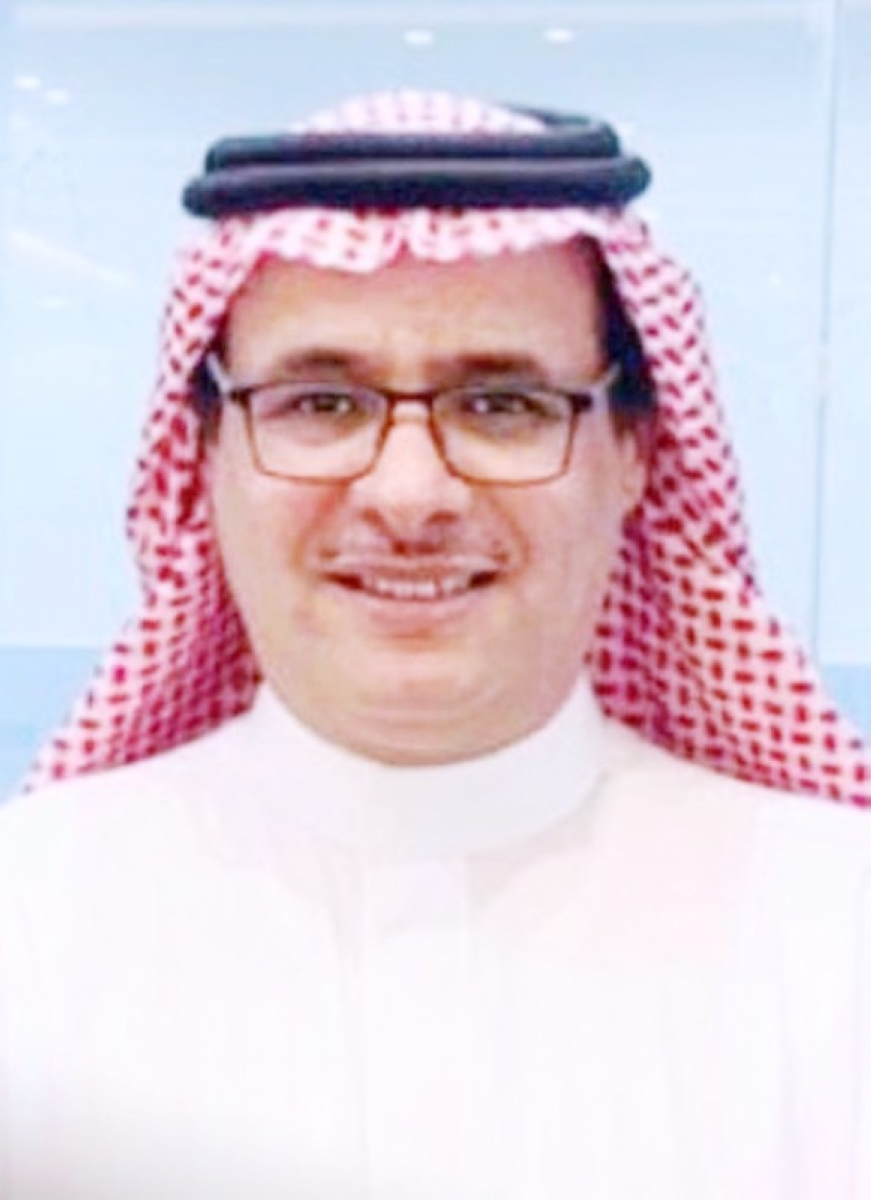
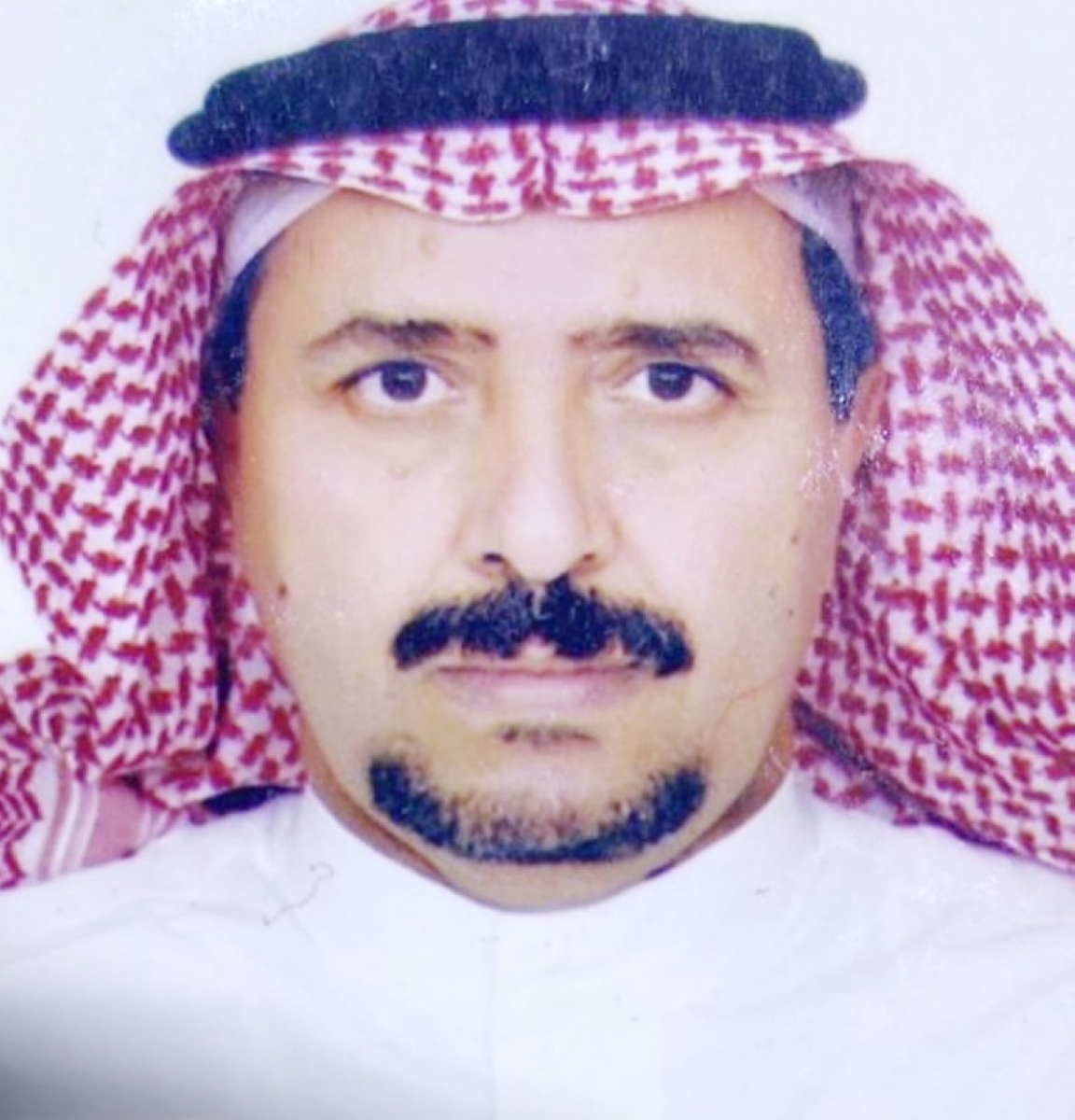
تشهدت بعض مناسبات الزواج ظواهر مرهقة ومزعجة، فأصبحت البهرجة في الولائم وما يتبعها من تكاليف مادية كبيرة، والدعوات المبالغ فيها، وشعراء المدح والثناء حديث المجالس. وأعرب عدد من رواد هذه المناسبات عن انزعاجهم لهذه المظاهر وتمنّوا تطويق مثل هذه الظواهر التي بدت تنتشر بصورة مقلقة. ويرى المستشار المتقاعد بندر آل مفرح، أن ما يحدث في معظم مناسبات الزواجات «مؤلم ومظاهر كاذبة» لا تمت بصلة لعادات الآباء والأجداد؛ لأنها أخذت بُعداً غريباً وعجيباً بشعراء مدّاحين، وفرق شعبية وموسيقية، وولائم فاخرة، وطاقم أجنبي للضيافة، وتبذير علني، فكثيرون كانوا يتشوقون لحضور مناسبات الزواجات، وعندما يُكتب في بعض دعوات المناسبات «الدعوة عامة»، ويُعلن اسم المتزوج وموقع الزواج وتاريخ إقامته في مواقع التواصل الاجتماعي، فهذا يعني حضور كُل من «هب ودب». يؤسفني كما يؤسف الكثيرين أنه في معظم مناسبات الزواجات ضيوف المناسبة لا يجدون مكاناً يجلسون فيه ولا مقعداً على المائدة. وتساءل آل مفرح عن الدور الحقيقي للآباء والقدوات ومشايخ القبائل للحدّ من هذه التصرفات الدخيلة؟ أما عضو المجلس البلدي سابقاً في محافظة أحد رفيدة علي بن هذال فقال لـ«عكاظ»: إن الهياط أصبح سمة بعض المناسبات، خصوصاً في الزواجات، هناك مبالغة في التكاليف لأجل لفت الأنظار والتفاخر والاستعراض، فأصبحت الحفلات تكلف مبالغ كبيرة، والمتزوجون يكبلون بديون تثقلهم في أول يوم، والسبب في القاعات الفخمة، والذبائح بالعشرات، والفقرات الاستعراضية والدعوات الكثيرة، وجميعها ليست لها قيمة بعد ما تنتهي الحفلة، والأسوأ يتمثل في الدعوات التي يتم توجيهها لخارج نطاق الأقارب والجيران والأصدقاء لأجل ملء قاعات الزواجات. ومن الهياط المبالغ فيه تجهيز (المايكات)، ليتحدث المدعوون لمدح أهل المناسبة أمام عدسات السناب. ويضيف ابن هذال: ارتفعت مبالغ (العانية) أو (النفعة)، وأصبحت من أبواب الهياط، شاهدنا الحرص على التصوير بالسناب، عند تقديم مبالغ كبيرة أو مدح أو ثناء، مع أنها تعبّر عن مجاملات نابعة من طيب نفس. فالهياط لن يرفع قيمة الشخص ولا يضمن سعادة الزوجين، فالفرح الحقيقي هو الذي يبقى بعد ما تطفأ أنوار القاعة والبهرجة، وتذهب الكاميرات، والزواج ليس ليلة واحدة، بل حياة تستمر، وأساسها البساطة والتفاهم.
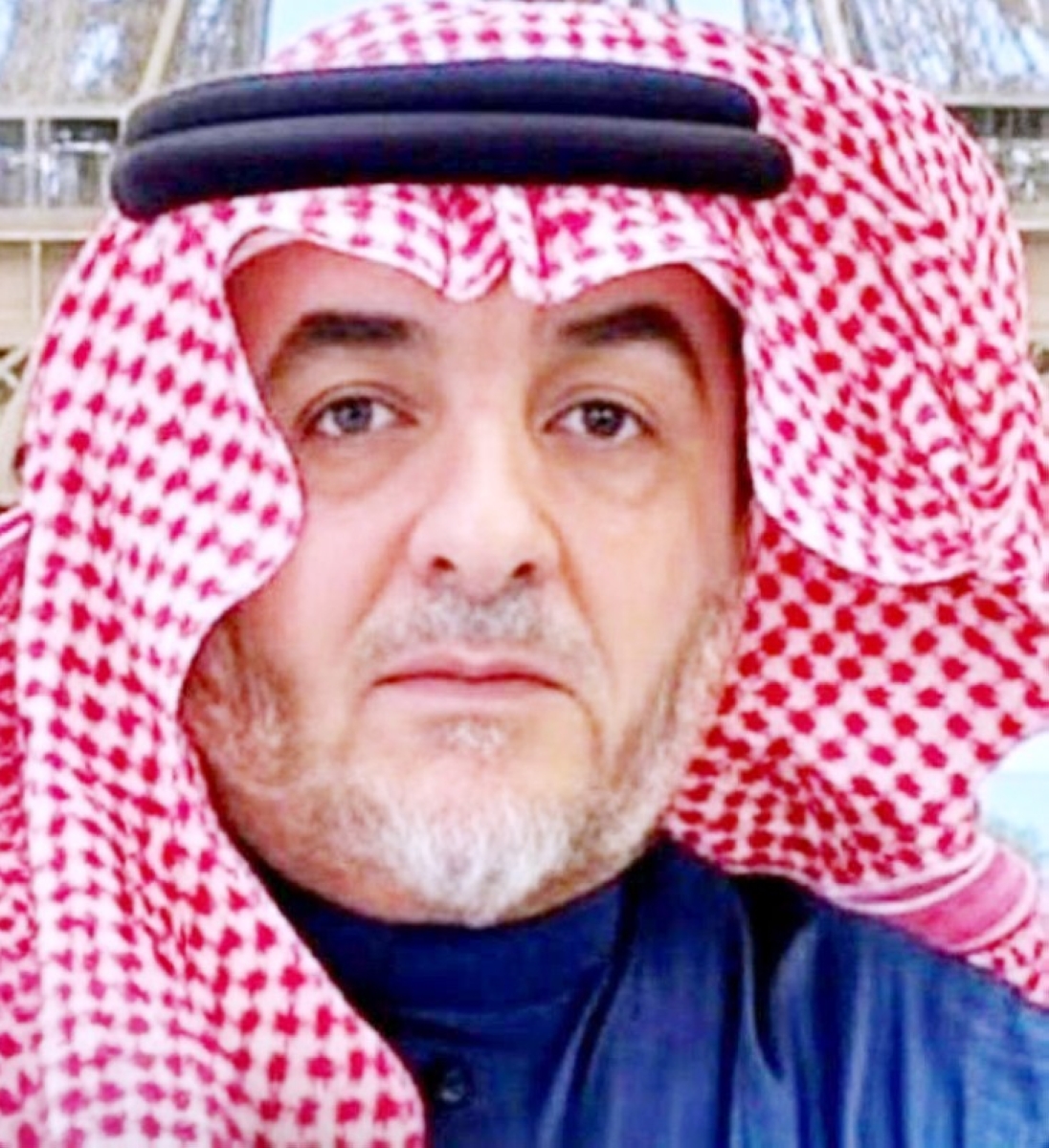
وفي رأي الإعلامي سلمان آل مقرح، ما نعيشه اليوم من خلال ما يقوم به بعض الناس من ملاحقة التجار والوجهاء، بدافع المظاهر الاجتماعية، وليس بدافع الود الصادق أو التقدير، فيسارعون لإقامة الولائم وجمع الشعراء والسنابيين ورجال الأعمال طمعاً في السمعة وكثرة الثناء، وهذه الظاهرة تتكرر في كل صيف، وتستوجب منا مراجعة جادة بعيدة عن المجاملة. كثيرون يظنون أن مثل هذه الأفعال صورة من صور الكرم وهي حقيقتها مظاهر جوفاء تخلو من الإخلاص وتختلط بالرياء. ومن يقوم بذلك قد يغفل عن أقاربه الفقراء وجيرانه البسطاء وربما أقرب الناس إليه، واقترح فرض رسوم على هؤلاء وتقديمها للجمعيات الخيرية، والمحتاجين.
Some wedding occasions have witnessed exhausting and annoying phenomena, as the extravagance in banquets and the subsequent large financial costs, exaggerated invitations, and poets of praise and commendation have become the talk of the gatherings. A number of attendees at these events expressed their discomfort with these manifestations and wished to contain such phenomena that seemed to be spreading in a concerning manner. Retired consultant Bandar Al-Mufarrah believes that what happens at most wedding occasions is "painful and false appearances" that have no connection to the traditions of parents and grandparents; because it has taken on a strange and bizarre dimension with flattering poets, popular and musical bands, lavish banquets, foreign hospitality staff, and public wastefulness. Many used to look forward to attending weddings, and when some invitations state "the invitation is public," and the name of the newlywed, the wedding location, and the date are announced on social media, this means the attendance of anyone and everyone. It saddens me, as it saddens many, that at most wedding occasions, the guests do not find a place to sit or a seat at the table. Al-Mufarrah questioned the true role of parents, role models, and tribal leaders in curbing these intrusive behaviors. Meanwhile, former municipal council member in the province of Ahad Rufaida, Ali bin Hithal, told "Okaz": that ostentation has become a hallmark of some occasions, especially weddings, where there is an exaggeration in costs to attract attention and boastfulness, leading to parties costing large amounts, and newlyweds being burdened with debts from day one, due to lavish halls, dozens of sacrifices, extravagant performances, and numerous invitations, all of which hold no value after the party ends. The worst part is the invitations directed outside the circle of relatives, neighbors, and friends to fill the wedding halls. Among the excessive ostentation is the preparation of microphones for invited guests to praise the hosts in front of Snapchat cameras. Bin Hithal adds: The amounts for "aniyah" or "naf'ah" have risen and have become a form of ostentation. We have seen the eagerness to take pictures on Snapchat when presenting large sums or praise, even though it reflects compliments stemming from goodwill. Ostentation will not elevate a person's value nor guarantee the happiness of the couple; true joy is what remains after the lights of the hall and the extravagance are turned off, and the cameras are gone. Marriage is not just one night, but a life that continues, based on simplicity and understanding.
In the opinion of media figure Salman Al-Muqrah, what we are experiencing today through the actions of some people chasing after merchants and dignitaries, driven by social appearances rather than sincere affection or appreciation, leads them to hastily hold banquets and gather poets, Snapchat users, and businessmen in hopes of reputation and abundant praise. This phenomenon recurs every summer and requires us to conduct a serious review far from flattery. Many believe that such actions are a form of generosity, while in reality, they are hollow displays devoid of sincerity and mixed with hypocrisy. Those who do this may overlook their poor relatives and simple neighbors, perhaps even those closest to them, and I suggest imposing fees on these individuals and donating them to charitable organizations and those in need.