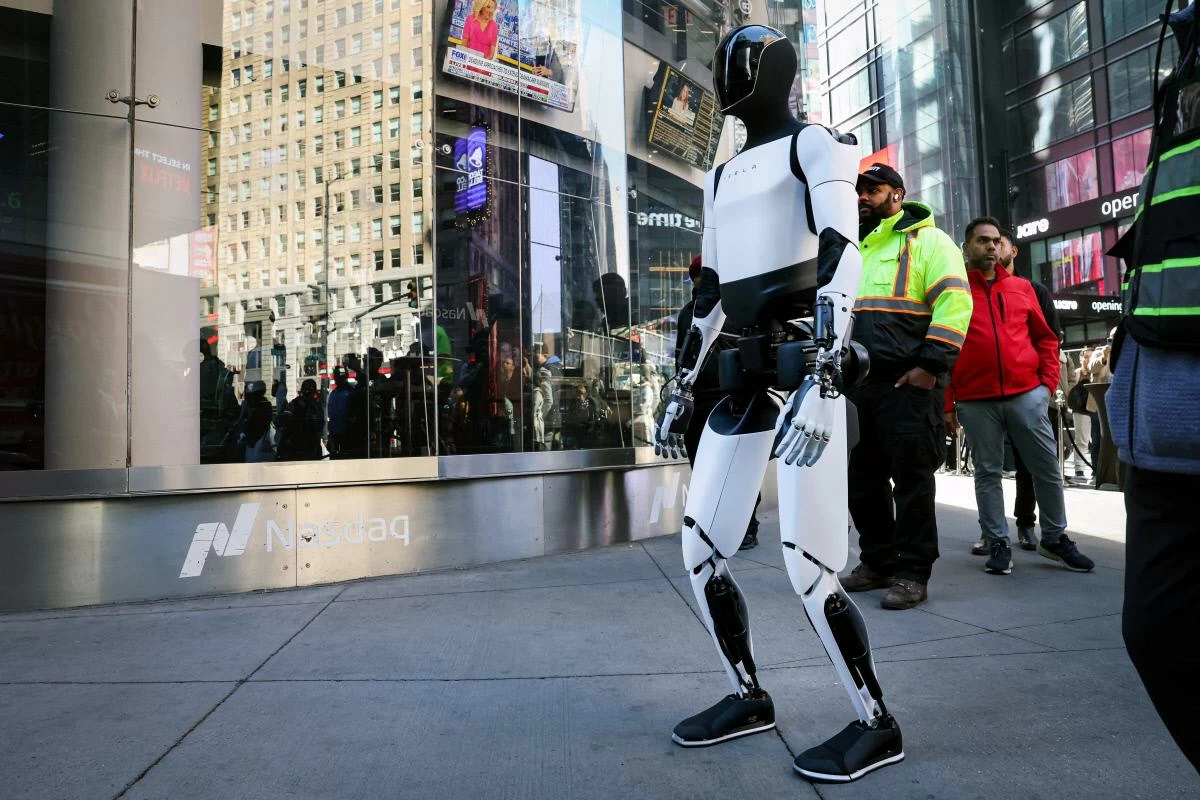
توقع بنك «جي بي مورغان» أن يصل إنتاج الروبوتات الشبيهة بالبشر في الولايات المتحدة إلى ما بين 300 و400 ألف روبوت سنوياً بحلول عام 2030، على أن يرتفع إلى نحو 1.5 مليون روبوت سنوياً بحلول 2035، مع تسارع التحول من النماذج التجريبية إلى الاستخدام التجاري الفعلي.
وأوضح البنك، في تقرير نقلته وكالة «رويترز» اليوم (الخميس)، أن نقص العمالة وتحسن الجدوى الاقتصادية وزيادة القدرات الإنتاجية تدفع الشركات نحو التوسع في استخدام الروبوتات البشرية، خصوصاً في قطاعات التصنيع والخدمات اللوجستية والمستودعات، لتنفيذ المهام المتكررة.
توفير 100 ألف دولار سنوياً
وأشار التقرير إلى أن تكلفة تشغيل الروبوتات البشرية تقترب من تكلفة العمالة التقليدية، متوقعاً أن يسهم تشغيلها على مدار ورديات متعددة في تحقيق وفورات تصل إلى نحو 100 ألف دولار سنوياً لكل عميل.
وبيّن أن معظم الشركات الأمريكية المصنعة للروبوتات البشرية، باستثناء «تسلا»، تستهدف إنتاج ما بين 10 آلاف و30 ألف وحدة سنوياً، في ظل التحديات المرتبطة بتطوير المكونات والقدرات التصنيعية.
تحديات تعيق التوسع
وحدد البنك أبرز العقبات التي تواجه انتشار الروبوتات البشرية، وتشمل تطوير الأيدي والمكونات المسؤولة عن الحركة، وتحسين أنظمة الذكاء الاصطناعي، وتوفير بيانات التدريب والقدرات الحاسوبية، إلى جانب توسيع الطاقة الإنتاجية.
وتوقع أن تقترب قيمة سوق المكونات الأساسية للروبوتات، بما فيها المحركات وأنظمة الحركة والرؤية، من 30 مليار دولار بحلول عام 2035.
شركات تتنافس على السوق
وسلط التقرير الضوء على عدد من الشركات الأمريكية العاملة في تطوير الروبوتات البشرية، أبرزها «تسلا» من خلال روبوت «أوبتيموس»، و«بوسطن ديناميكس» بروبوت «أطلس»، و«أجيليتي روبوتكس» بروبوت «ديجيت»، إلى جانب شركتي «فيغر إيه آي» و«أبترونيك».
ورجح البنك أن تنتقل فرص النمو تدريجياً من الشركات الموردة للمكونات إلى الشركات المصنعة للروبوتات ومطوري الأنظمة المتكاملة، مع اتساع نطاق استخدامها التجاري خلال السنوات المقبلة.
J.P. Morgan Bank expects that the production of human-like robots in the United States will reach between 300,000 and 400,000 robots annually by 2030, rising to about 1.5 million robots annually by 2035, as the shift from prototype models to actual commercial use accelerates.
The bank explained in a report quoted by Reuters today (Thursday) that labor shortages, improved economic feasibility, and increased production capabilities are driving companies to expand the use of human-like robots, particularly in manufacturing, logistics, and warehousing sectors, to perform repetitive tasks.
Saving $100,000 Annually
The report indicated that the operating cost of human-like robots is approaching that of traditional labor, predicting that operating them across multiple shifts could achieve savings of about $100,000 annually for each client.
It showed that most American companies manufacturing human-like robots, except for Tesla, aim to produce between 10,000 and 30,000 units annually, amid challenges related to developing components and manufacturing capabilities.
Challenges Hindering Expansion
The bank identified the main obstacles facing the spread of human-like robots, which include developing hands and components responsible for movement, improving artificial intelligence systems, providing training data and computational capabilities, in addition to expanding production capacity.
It is expected that the value of the core components market for robots, including motors, movement systems, and vision, will approach $30 billion by 2035.
Companies Competing in the Market
The report highlighted several American companies working on developing human-like robots, most notably Tesla with its "Optimus" robot, Boston Dynamics with its "Atlas" robot, and Agility Robotics with its "Digit" robot, along with the companies Figure AI and Aptronic.
The bank predicted that growth opportunities would gradually shift from component suppliers to robot manufacturers and integrated system developers, as the scope of their commercial use expands in the coming years.