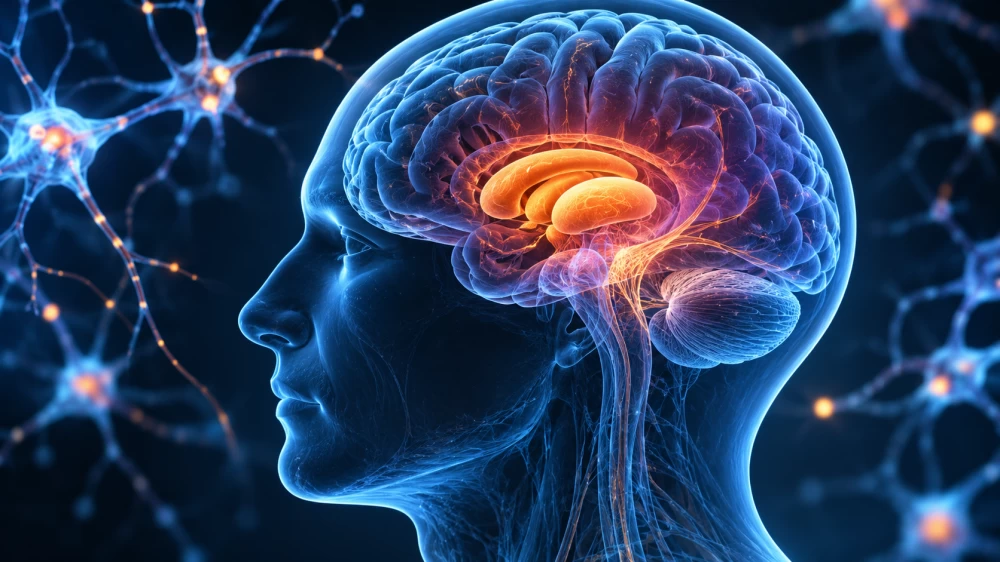
كشف فريق دولي من العلماء عن خريطة خلوية غير مسبوقة لمنطقة عميقة في الدماغ البشري، بعد تحليل نحو 21 مليون خلية، في إنجاز علمي قد يسهم في فهم أسباب عدد من الأمراض العصبية والنفسية، بينها الفصام والاضطراب ثنائي القطب ومرض باركنسون والتوحد، ويفتح آفاقاً لتطوير علاجات أكثر دقة مستقبلاً.
وبحسب وكالة «رويترز»، اليوم (الخميس)، أعد الباحثون أطلساً خلوياً شاملاً لمنطقة تُعرف باسم «العقد القاعدية»، وهي مجموعة من البنى العصبية المسؤولة عن تنظيم الحركة واتخاذ القرارات والعواطف وتكوين العادات، ونُشرت النتائج ضمن أكثر من 20 دراسة علمية في مجلة «Cell» ومجلات علمية مرتبطة بها.
اكتشاف خلايا مرتبطة بأمراض نفسية
وتمكن العلماء من تحديد نوع جديد من الخلايا الدماغية يرتبط بالفصام والاضطراب ثنائي القطب، إلى جانب رصد تغيرات جينية في أنواع محددة من الخلايا قد تكون لها علاقة باضطراب طيف التوحد.
كما كشفت الدراسة عن تغيرات في نشاط الجينات داخل بعض الخلايا مع التقدم في العمر، ما يوفر معلومات جديدة حول تأثير الشيخوخة في وظائف الدماغ.
تحليل ملايين الخلايا
واعتمد الباحثون على عينات من أنسجة أدمغة متبرعين متوفين، ودرسوا نحو 21 مليون خلية بشرية، إضافة إلى ملايين الخلايا من أدمغة الفئران ونوعين من القرود، بهدف مقارنة التركيب الخلوي والنشاط الجيني بين الأنواع المختلفة.
وشملت الخريطة تحديد أنواع الخلايا ومواقعها داخل الأنسجة، والجينات النشطة فيها، والآليات التي تتحكم في تشغيل هذه الجينات وإيقافها.
آفاق جديدة لعلاج الأمراض
وأوضح الباحثون أن الأطلس الجديد سيساعد على تحديد الخلايا التي تنشط فيها الجينات المرتبطة بالأمراض، بما قد يتيح مستقبلاً تطوير علاجات جينية تستهدف أنواعاً محددة من الخلايا بدلاً من التأثير في مناطق واسعة من الدماغ.
وأكد عالم الأحياء الجزيئية جوزيف إيكر، من معهد «سالك» الأمريكي، أن الخريطة توفر مرجعاً مهماً لمقارنة الأنسجة السليمة بالمصابة بالأمراض، مشيراً إلى أن تحويل هذه النتائج إلى علاجات سريرية لا يزال يحتاج إلى سنوات من البحث والتجارب.
ويأتي الإنجاز ضمن المبادرة الأمريكية لأبحاث الدماغ «BRAIN Initiative»، التي تسعى إلى تطوير خريطة تفصيلية شاملة لخلايا الدماغ البشري بحلول عام 2028.
An international team of scientists has unveiled an unprecedented cellular map of a deep region in the human brain, after analyzing around 21 million cells, in a scientific achievement that may contribute to understanding the causes of several neurological and psychiatric disorders, including schizophrenia, bipolar disorder, Parkinson's disease, and autism, and opens avenues for developing more precise treatments in the future.
According to the "Reuters" agency today (Thursday), the researchers prepared a comprehensive cellular atlas of an area known as the "basal ganglia," which is a group of neural structures responsible for regulating movement, decision-making, emotions, and habit formation. The results were published in over 20 scientific studies in the journal "Cell" and related scientific journals.
Discovery of cells linked to psychiatric disorders
The scientists were able to identify a new type of brain cell associated with schizophrenia and bipolar disorder, along with observing genetic changes in specific types of cells that may be related to autism spectrum disorder.
The study also revealed changes in gene activity within some cells with aging, providing new information about the impact of aging on brain functions.
Analysis of millions of cells
The researchers relied on samples from the brain tissues of deceased donors, studying around 21 million human cells, in addition to millions of cells from mouse brains and two types of monkeys, with the aim of comparing cellular composition and gene activity among different species.
The map included the identification of cell types and their locations within the tissues, the active genes within them, and the mechanisms that control the activation and deactivation of these genes.
New horizons for disease treatment
The researchers explained that the new atlas will help identify the cells in which genes associated with diseases are activated, which may allow for the future development of gene therapies targeting specific types of cells instead of affecting large areas of the brain.
Molecular biologist Joseph Ecker from the American "Salk" Institute confirmed that the map provides an important reference for comparing healthy tissues with those affected by diseases, noting that translating these results into clinical treatments still requires years of research and trials.
This achievement is part of the American initiative for brain research, the "BRAIN Initiative," which aims to develop a comprehensive detailed map of human brain cells by 2028.