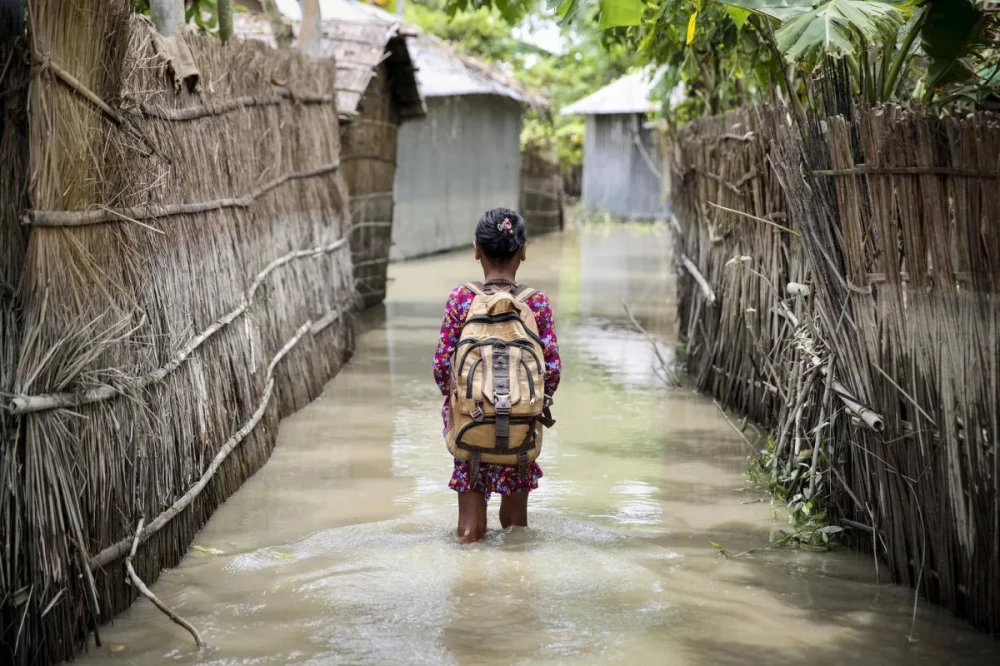
تسببت الكوارث الطبيعية المرتبطة بالتغيرات المناخية في تسجيل نحو 29.9 مليون حالة نزوح حول العالم خلال عام 2025، في ظل تزايد المخاطر الناجمة عن العواصف والفيضانات والظواهر الجوية المتطرفة، بحسب بيانات أعلنتها المنظمة الدولية للهجرة التابعة للأمم المتحدة.
وأوضحت المنظمة أن ملايين الأشخاص اضطروا إلى مغادرة منازلهم هرباً من الكوارث الطبيعية، فيما تعرض بعضهم للنزوح أكثر من مرة خلال العام نفسه، ما يعكس حجم التحديات الإنسانية المرتبطة بتغير المناخ، وفقاً لـ«روسيا اليوم».
وأشارت إلى أن إجمالي حالات النزوح المسجلة خلال 2025 تجاوز المتوسط السنوي للعقد الماضي، لكنه ظل أقل من الرقم القياسي المسجل عام 2024، عندما تسببت الكوارث الطبيعية في 45.8 مليون حالة نزوح، وهو أعلى مستوى جرى رصده.
وحذّرت المنظمة من اتساع الفجوة بين تصاعد المخاطر المناخية والجهود الدولية المبذولة للتكيف معها، خصوصاً في الدول النامية التي تواجه تحديات متزايدة في توفير الموارد اللازمة للحد من آثار الكوارث.
وبحسب تقديرات برنامج الأمم المتحدة للبيئة، ستحتاج الدول النامية بحلول عام 2035 إلى تمويل سنوي يتراوح بين 310 و365 مليار دولار للتكيف مع تغير المناخ، في حين لم يتجاوز التمويل العام الدولي المخصص لهذا الغرض 26 مليار دولار خلال عام 2023.
وفي سياق متصل، حذّر تقرير أممي صدر الشهر الماضي من احتمال ارتفاع متوسط حرارة الأرض بمقدار 2.8 درجة مئوية بحلول عام 2100، إذا استمرت السياسات المناخية الحالية دون تغييرات جوهرية.
وأوضح التقرير أن التنفيذ الكامل للتعهدات المناخية القائمة قد يحد من ارتفاع الحرارة إلى 2.6 درجة مئوية بنهاية القرن، مشدداً على ضرورة اتخاذ إجراءات عاجلة لخفض الانبعاثات والحد من تفاقم الأزمة المناخية.
Natural disasters related to climate change caused nearly 29.9 million displacement cases worldwide in 2025, amid increasing risks from storms, floods, and extreme weather phenomena, according to data announced by the International Organization for Migration, a UN agency.
The organization explained that millions of people were forced to leave their homes to escape natural disasters, with some experiencing displacement more than once within the same year, reflecting the scale of humanitarian challenges associated with climate change, according to "Russia Today."
The report indicated that the total recorded displacement cases in 2025 exceeded the annual average of the past decade, but remained lower than the record number registered in 2024, when natural disasters caused 45.8 million displacement cases, the highest level recorded.
The organization warned of the widening gap between the rising climate risks and the international efforts made to adapt to them, especially in developing countries that face increasing challenges in providing the necessary resources to mitigate the impacts of disasters.
According to estimates from the United Nations Environment Programme, developing countries will need annual funding ranging from $310 to $365 billion by 2035 to adapt to climate change, while international public funding allocated for this purpose did not exceed $26 billion in 2023.
In a related context, a UN report released last month warned of the possibility of the average global temperature rising by 2.8 degrees Celsius by 2100 if current climate policies continue without substantial changes.
The report clarified that full implementation of existing climate commitments could limit the temperature rise to 2.6 degrees Celsius by the end of the century, emphasizing the need for urgent action to reduce emissions and mitigate the worsening climate crisis.